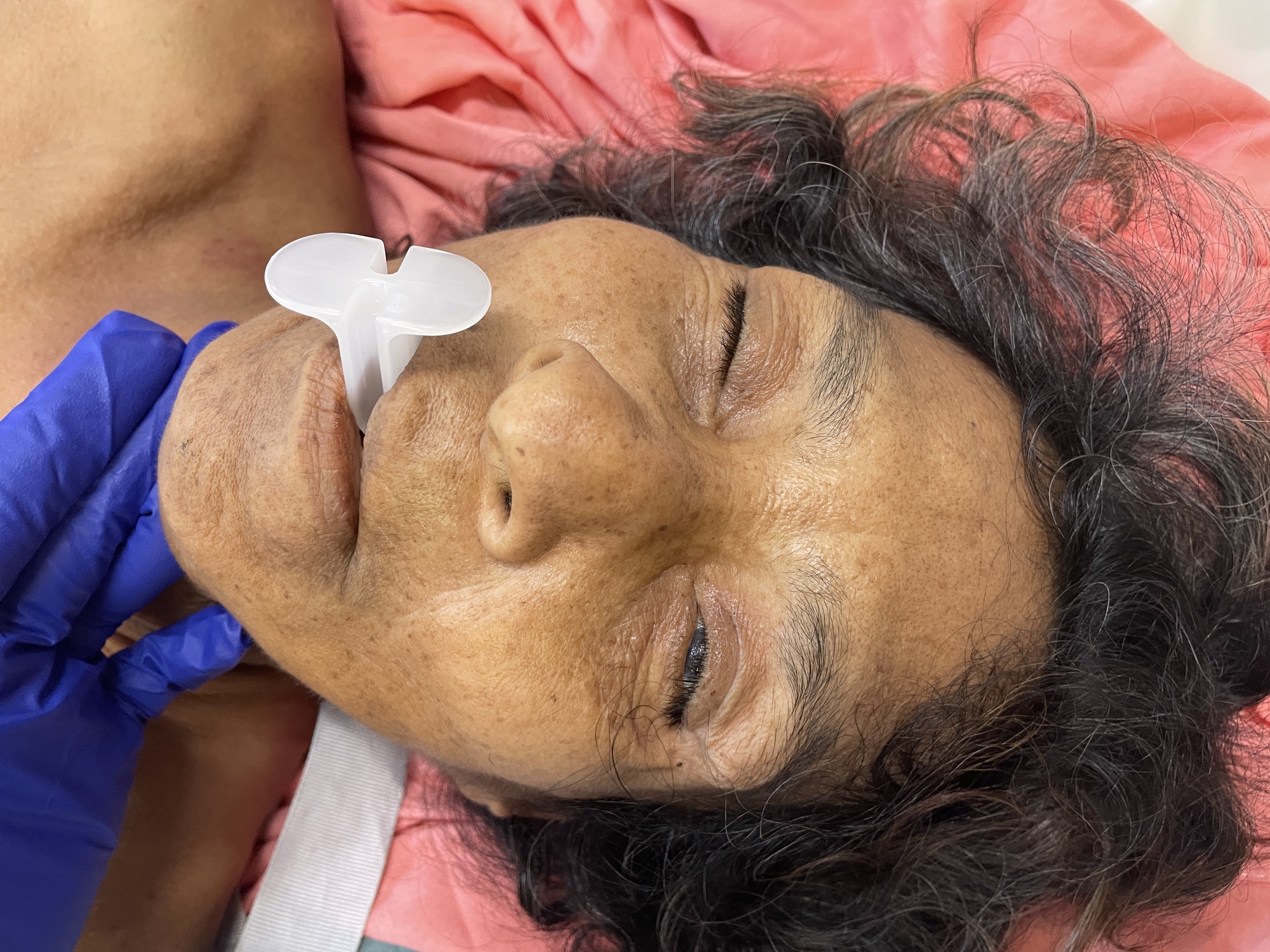
On a late summer day, September 13, 1998, 46-year-old Ophelia Ann Ortiz was last seen in Bakersfield, California. Little is publicly known about the specific circumstances leading up to the moment she vanished. The activities of that day, the people she may have been with, and her intended destination remain unclear, leaving a painful void in the lives of those who knew her. Her case is a quiet one, with few details available in public records, but the lack of information does not diminish the reality that a woman's life was inexplicably interrupted.
Known also by the names Ophelia Ann Moreira and Sophia Ortiz, her disappearance occurred during a period of heightened fear in California's Central Valley. The notorious "Speed Freak Killers," Wesley Shermantine and Loren Herzog, were active during this time, casting a long shadow of anxiety over the region.
While there is no publicly available evidence to connect Ophelia's case to their horrific crimes, the timeframe of her disappearance is a somber reminder of the dangers that lurked in the area. Her case is a somber testament to the many individuals who go missing under ambiguous circumstances, their stories left untold and their fates unknown.
The investigation into Ophelia Ann Ortiz's disappearance has yielded few public updates over the years. The trail has grown cold, and the once-active search has faded from public view. Her case is a poignant example of the challenges faced by law enforcement and families when a loved one disappears without a trace. The lack of resolution leaves a lingering sense of uncertainty and a hope that one day, new information will come to light. The overview of this case is one of quiet tragedy, a story marked by the absence of details and the enduring pain of not knowing. It is a plea for remembrance for a woman who vanished, and a call for any information that might finally bring answers to a family that has waited for decades.Last Seen: Sep 13, 1998