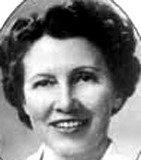
Summary based on the NamUs case record (CP999656664) and
1 other sourceRae Meichelle Tener, 36, was last seen at her trailer home on Drexel Road in West Palm Beach, Florida, on August 25, 2004. The following morning, her thirteen-year-old son awoke to find that his mother was gone. Tener's family officially reported her missing on August 29. Investigators learned that she maintained daily phone contact with her mother, but this communication had abruptly stopped. At her home, Tener had left behind her new car, driver's license, jewelry, and money.
She also never collected her final paycheck from her employer, Maid USA, in Delray Beach. While she had previously been known to leave her son alone for short periods, her family insisted that abandoning him entirely was completely out of character. A small but potentially significant clue was discovered by her son outside their home: his mother's lighter and cigarettes on the ground.
The investigation soon focused on one of Tener's neighbors, Mark Barrow, who was known to dislike her. The animosity stemmed from Barrow's belief that Tener was supplying drugs to his live-in girlfriend, Peggy LaSalle. A forensic examination of Barrow's van uncovered three small bloodstains, which DNA testing confirmed belonged to Rae Tener. This discovery, coupled with a compelling witness account from LaSalle, solidified Barrow as the prime suspect in Tener's disappearance and presumed murder.
At Mark Barrow's murder trial in 2007, Peggy LaSalle provided damning testimony against him. She recounted that Barrow had confessed the murder to her, providing a detailed and gruesome account of the crime. According to LaSalle, Barrow admitted to arguing with Tener, grabbing her by the neck, and throwing her out of his trailer. When Tener fell, struck her head, and threatened to call the police, Barrow allegedly became enraged. LaSalle testified that Barrow told her he then beat Tener with a rock and a sledgehammer before tightening a zip-tie around her throat. He then allegedly placed her body in a plastic bag and disposed of it in a nearby canal. Authorities believe that the subsequent flushing of this canal into the ocean to prevent flooding from Hurricanes Frances and Jeanne is the reason Tener's body was never recovered.
During the trial, LaSalle's credibility was challenged. She admitted to being under the influence of alcohol and Xanax at the time of the alleged confession and acknowledged having memory problems due to her substance use. Barrow's defense team argued that Tener was not dead but had instead fled to Ohio, where she previously resided, to escape issues with LaSalle. Despite these arguments, Barrow was convicted of murder and sentenced to life in prison. However, his conviction was overturned in 2012, leading to a retrial in June 2018. Barrow maintained his innocence throughout the second trial, but he was once again convicted of murder and received a mandatory life sentence. Although her remains have never been found, authorities suspect foul play in her case.Last Seen: Aug 25, 2004