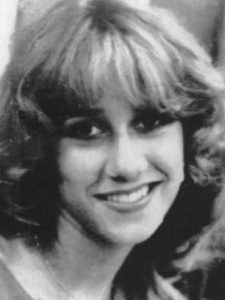
On a Sunday morning in early December 2015, Mischa Risa Goulsby, a 52-year-old white woman, was inside her modest home on Southwest 18th Street in southwest Oklahoma City when the day’s quiet was broken by fire. Around 9 a.m., neighbors saw smoke and called for help, and firefighters arrived to find flames and heavy heat concentrated in the kitchen area of the house. After knocking down the blaze, they pushed into the smoke-filled rooms and discovered Mischa lying near the kitchen, lifeless on the floor. She was pronounced dead at the scene, and at first it seemed possible that the fire itself had claimed her life.
In the hours that followed, her small stretch of Southwest 18th Street transformed into an active emergency scene. Yellow tape went up around the house as fire crews and investigators moved in and out of the doorway, while stunned neighbors stood on the sidewalks watching, trying to reconcile the quiet woman they knew with the grim activity around her home. Some had left earlier that morning, never noticing smoke, only to return and find fire trucks, police cars and investigators gathering in the street. Local television crews reported that authorities initially regarded the fire as accidental, and early statements suggested there were no obvious signs of foul play. To those living nearby, the idea that a tragic accident had taken place inside the small, smoke-damaged house was shocking enough.
The picture changed dramatically once the medical examiner began to examine Mischa’s body. An autopsy revealed injuries that did not match an accidental fire death. Her lungs lacked the smoke and soot that would be expected if she had been alive and breathing when the blaze broke out, and the trauma to her body pointed instead toward a violent assault that had occurred before the first flames ever touched the kitchen. Fire investigators, who had originally treated the blaze as accidental, were informed that the injuries were consistent with homicide. The kitchen, which had appeared to be the origin of the fire, now looked less like the source of a tragic mishap and more like the stage for a deliberate attempt to erase evidence of a killing.
As homicide detectives joined the investigation, Mischa’s life began to be pieced together in official reports and public records. She had been born in 1963 and adopted by Wayne and Donna Cooksey, growing up in Oklahoma and attending El Reno High School, where friends remembered her as kind and warm. Over the years she married and used the surnames Cooksey, Goulsby and Claunch, eventually living alone in the small house on Southwest 18th Street where her life ended. An online memorial would later identify her as Mischa Claunch, also known as Mischa Goulsby, noting that authorities were treating her death as a possible homicide even in those early days after the fire.
Investigators focused on reconstructing what had happened inside the house before the flames erupted. One case profile describes officers responding not only to the fire but also to reports of a disturbance, finding Mischa inside the residence suffering from severe trauma. That same summary characterizes the crime as arising out of a domestic altercation, suggesting that detectives believed the violence had its roots in conflict close to home rather than a random attack. From there, police pursued multiple leads, interviewing people in Mischa’s circle and combing through her recent relationships in an effort to understand who might have had motive and opportunity.
Over time, the investigation deepened. According to the Crime Solvers Central case listing, the trail of leads eventually grew strong enough that an arrest warrant was filed for a suspect, an indication that detectives believed they had identified someone responsible for Mischa’s death. Yet in the public record, the picture remains murky. Contemporary news reports from Oklahoma City television stations emphasized that no arrests had been made and repeatedly urged anyone with information to call the police homicide tip line. Later summaries on real-estate stigma sites and true-crime blogs continued to refer to Mischa’s killing as an unsolved or cold case, describing her as murdered by an unknown person before the fire was set.
Years after that December morning, Mischa’s story lives on largely in these scattered records: a burned kitchen in a small southwest Oklahoma City house, a death certificate marking a homicide, a memorial page noting the surnames she used during her life, and investigative write-ups that cannot quite agree on whether her case has been resolved. What remains clear is the core of the tragedy: a woman who survived adoption, adolescence and the ordinary struggles of adulthood was killed inside her own home, and a fire was lit around her in an apparent effort to make that violence disappear into ash and smoke. For her family, friends and the community that watched the house smolder behind police tape, the unanswered questions about who did it, and why, continue to linger long after the last embers cooled.