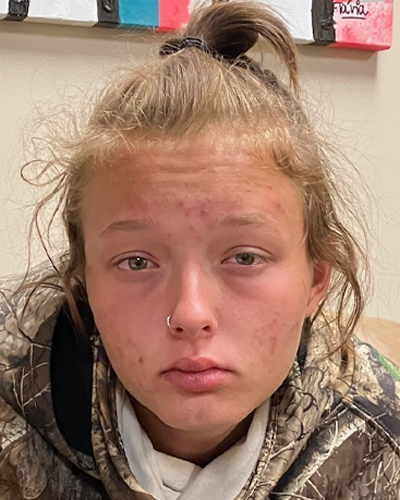
Lucille Gallegos, a 43-year-old housekeeper, was last seen on June 24, 2002, at the west Wichita apartment complex where she worked. The following day, her decapitated and partially burned body was discovered in a vacant unit of the complex. The gruesome nature of the crime shocked the community and prompted an intensive investigation by local authorities. The case remained unsolved for several months, leaving Gallegos's family and the public in anguish over the lack of answers.
In November 2002, Douglas S. Belt was arrested and charged with Gallegos's murder. DNA evidence linked him to the crime scene, providing a critical breakthrough in the case. Further investigation revealed that Belt had a history of violent offenses, including multiple rapes committed between 1989 and 1994 across Kansas and Illinois. A significant error by the Kansas Bureau of Investigation in 1991 had resulted in Belt's DNA being mislabeled, allowing him to evade justice for years. This oversight was only corrected after his arrest for Gallegos's murder, when a new DNA sample matched evidence from previous unsolved cases.
Belt's trial commenced in 2004, where he faced charges of capital murder, attempted rape, and aggravated arson. Prosecutors presented compelling DNA evidence linking him to the crime, while the defense argued that Gallegos's abusive boyfriend was the actual perpetrator. Despite maintaining his innocence, Belt was convicted and sentenced to death on November 17, 2004. His conviction brought a measure of closure to Gallegos's family and highlighted the critical role of DNA evidence in solving cold cases.
On April 13, 2016, Douglas Belt died at the age of 54 while incarcerated at the El Dorado Correctional Facility. His death marked the end of a tragic chapter in Wichita's history, underscoring the devastating impact of violent crime and the importance of meticulous forensic investigation. Gallegos's memory endures, and her case serves as a somber reminder of the need for vigilance and accuracy in the criminal justice system.
Last Seen: Jun 25, 2002