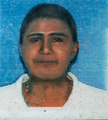
In the vast, rugged landscape of Black Mesa, Arizona, a sense of unease settled over the family of Blaine Aaron Alcott in the summer of 2024. On July 1st of that year, the 41-year-old man left the home he shared with his mother, a residence situated a couple of miles northeast of the Kayenta Mine, with the intention of gathering their sheep. It was a routine task in a familiar setting for the member of the Navajo Nation.
However, as the hours turned into days, it became chillingly clear that something was wrong. Blaine, a man described as being 5'5' and weighing around 145 pounds with brown hair and brown eyes, had vanished without a trace. He was last seen wearing a black or blue shirt, blue jeans, and black shoes. His distinguishing features include scars on his nose and left eyebrow. The simple act of a man heading out to tend to his flock had inexplicably become the beginning of a prolonged and agonizing mystery for his loved ones and the tight-knit community.
The official report of Blaine Alcott's disappearance was not filed until July 19, 2024, more than two weeks after he was last seen. This delay created a significant challenge for the Navajo Nation Police Department's Kayenta District, the agency spearheading the investigation. The vast and unforgiving terrain of Black Mesa meant that any potential trail had grown cold. Despite the launch of search efforts, which included ground searches and outreach to the community, no substantial leads have emerged. The area's ruggedness posed considerable difficulties for those looking for him. Authorities entered his case into the National Crime Information Center to broaden the search, yet the silence following his disappearance has been profound.
The absence of any clear evidence or witnesses has left Blaine Alcott's case shrouded in uncertainty. There were no signs of a struggle, no unusual financial activity, and no known conflicts that would suggest a reason for him to voluntarily leave without a word. The community has been deeply affected by his disappearance, organizing vigils and meetings to keep his memory alive and to support the ongoing search. Flyers bearing his image and description have been circulated throughout the region, and social media has been utilized in the hopes of reaching someone who might hold a crucial piece of information. The investigation remains open, a painful and unresolved chapter for his family and a stark reminder of the challenges faced in missing persons cases within remote, tribal lands. The core of this case remains a man who walked out for a routine chore and never returned, leaving a community to grapple with the haunting quiet that took his place.Last Seen: Jul 1, 2024