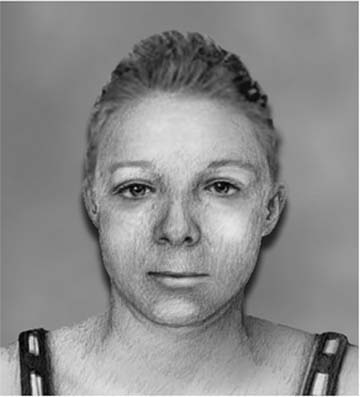
In the summer of 1985, a young mother named Patricia 'Tricia' Ann Schmidt celebrated her twenty-first birthday, a milestone that should have been filled with joy and promise for the future. Instead, June 4, 1985, marks the last time she was ever seen. Patricia, a 21-year-old female, vanished from her home in Henrico, Virginia, leaving behind a life that was just beginning. She was last seen at her residence in the vicinity of the 1800 block of Baylor Road. A mother to two young children, a three-year-old daughter and a six-month-old son, her sudden disappearance was a devastating blow to her family. Patricia was described as a white female with reddish-brown, shoulder-length hair and brown eyes, standing between 5'4' and 5'6' tall and weighing around 110 pounds. She had a scar on her abdomen from a Cesarean section and wore a full set of dentures.
The circumstances surrounding Patricia's disappearance are unsettling.
She left behind all of her personal belongings, including her car, clothing, and even her dentures. This detail suggests she did not leave voluntarily. For reasons that remain unclear, Patricia was not officially reported as a missing person until October 19, 1997, a staggering twelve years after she was last seen. This significant delay in reporting her disappearance undoubtedly complicated the initial investigation. When family members finally notified the Henrico Police, they began to piece together the events leading up to that fateful day in 1985. Her case is classified as an endangered missing person.
Over the years, the investigation into Patricia Schmidt's disappearance has continued, though few concrete leads have emerged. Law enforcement has indicated that her husband, Ralph Schmidt, is a person of interest in her case. According to reports, he has been uncooperative with detectives and declined to take a polygraph test. The lack of cooperation from this key individual has presented a significant obstacle in the search for answers. Patricia's daughter has publicly shared the profound pain of growing up without her mother, recalling nights spent crying and hoping for her return. The case remains an open and active investigation with the Henrico County Police Division, a cold case that continues to haunt a family and a community still searching for a resolution to a decades-long mystery. The overarching question of what happened to the young mother on her twenty-first birthday remains unanswered, leaving a void in the lives of those she left behind.Last Seen: Jun 4, 1985