Crime Solvers Central
298 Cases Solved. Advancing justice for missing persons, unsolved homicides, unidentified and unclaimed remains.

Case Description

Any updates on this case? Let us know!
Summary based on the NamUs case record (MP810) and 9 other sources
On a spring morning in 2001, a 45-year-old woman named Rhonda Bea Beers was seen on foot in Lansing, Michigan, and then seemingly vanished. It was approximately 11:30 a.m. on May 15, 2001, when she was last spotted near the intersection of Kalamazoo Street and Francis Street. In the moments before she disappeared, there were no apparent signs of distress and no indications of where she might have been heading. She left behind a husband and a daughter, and according to her twin sister, it was uncharacteristic for her to leave town without informing someone of her plans. Since that day, she has not been seen or heard from again.

Rhonda was a white female with auburn hair and green eyes, standing 5 feet 3 inches tall and weighing around 120 pounds. She had several distinguishing features, including pierced ears and a birthmark located below her navel. It is also noted that she was missing all of her upper teeth and most of her lower teeth, and was not wearing dentures when she disappeared. She may have been wearing light-colored shorts or jeans on the day she went missing. Over the years, it has been noted that she sometimes used aliases, including Wanda Mason, Rhonda Snider, and Rhonda McGillis. These details create a picture of the woman whose absence has been felt for decades.

The disappearance of Rhonda Beers is one of several long-term missing person cases that remain unsolved in Lansing. The Lansing Police Department has investigated her case over the years, and at one point, authorities suspected foul play was involved. In 2010, a search was conducted at Jones Lake in north Lansing in connection with her disappearance, but it did not lead to a breakthrough in the case. With very few leads available, her case remains open but is not currently being actively investigated. The circumstances surrounding her disappearance are still considered unknown, leaving her family and community with unanswered questions and an enduring sense of loss.
Rhonda Bea Beers was a 45-year-old female last seen on May 15, 2001, in Lansing, Michigan. Public missing-person records place her on foot at approximately 11:30 a.m. in the area of Kalamazoo Street and Francis Street, where she was seen before the trail went quiet. It was the middle of the day, in a recognizable part of the city, yet after that sighting there was no confirmed public account of where she went, who she may have encountered, or why she never returned. What began as a brief moment on a Lansing street became a disappearance that has remained unresolved for more than two decades.

Rhonda is listed in NamUs as Rhonda Bea Beers and in other missing-person listings as Rhonda B. Beers. She was described as a White / Caucasian woman, about 5 feet 3 inches tall and approximately 120 pounds, with auburn or reddish hair and green eyes. She had pierced ears and a birthmark below her navel. Public records also note that she may have used other names, including Rhonda Snider, Wanda Mason, and Rhonda McGillis. At the time she disappeared, she was possibly wearing light-colored shorts or jeans, though the available clothing description is limited and does not provide a full outfit. Those few identifying details have become important because there has been no confirmed sighting of her since the day she vanished.

The details publicly available in Rhonda’s case are painfully sparse. The known timeline does not describe her leaving in a vehicle, carrying luggage, making plans, or contacting anyone to explain that she intended to leave the area. Public summaries state that she was last seen walking near Kalamazoo and Francis, and then she was never heard from again. Her twin sister reportedly said Rhonda would usually tell someone if she planned to leave town, which made her silence especially alarming. She left behind her husband and daughter, adding to the concern that her disappearance was not a simple, voluntary break from her life.

Because Rhonda vanished without explanation and without later contact, foul play has been publicly suspected in her case. The Lansing Police Department is listed as the investigating agency, with case number LLA010627011157, and public listings have also carried an NCIC case number connected to her disappearance. Family DNA reference information has been collected for comparison in national systems, reflecting the continuing effort to keep her case identifiable if new information or unidentified remains are ever connected to her. Still, no public source reviewed reports that Rhonda has been located, and no public information identifies an arrest, suspect, or confirmed explanation for what happened after she was last seen.

Rhonda’s case remains heartbreaking because the public record gives only a narrow doorway into the day she disappeared: a woman walking in Lansing late in the morning, a family who expected her to remain reachable, and then years of unanswered questions. In overview, Rhonda Bea Beers’s case is the story of a 45-year-old woman last seen on foot near Kalamazoo Street and Francis Street in Lansing, Michigan, on May 15, 2001, whose disappearance remains unresolved, with foul play suspected, no confirmed public resolution, and an ongoing need for answers about what happened after she was last seen.

Last Seen: May 15, 2001

Possible Unidentified Matches (1)

Unidentified remains cases whose details are consistent with this person, ranked by how closely they compare. Fields that are unknown in either case are left out of the score.

77%Possible
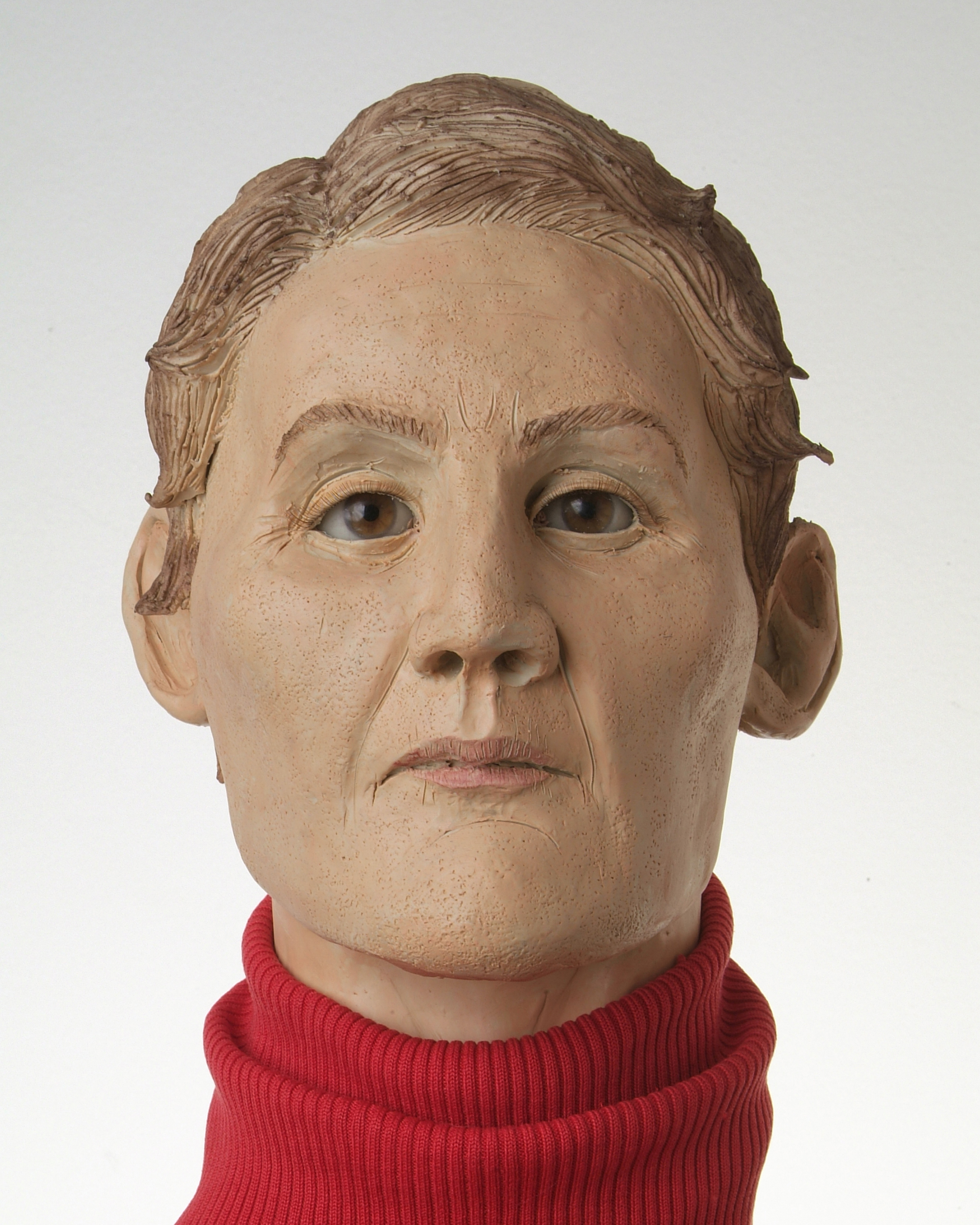
Jane Doe — Detroit, Michigan - unidentified case UP7702
Jane Doe — Detroit, Michigan
UP7702 • Found Jul 15, 2005
View case
Sex ✓Female
Age 100%Est. 35–50 vs 45 when missing
Race 100%White
Location 80%82 mi away, same state
TimingFound 4 years after last seen
Height 100%5'3" vs 5'3"
Hair 50%Brown vs Red

These comparisons are generated automatically from public NamUs case data and are not confirmed identifications. Only DNA, dental or fingerprint comparison by investigators can confirm an identity. If you believe two cases are connected, contact the agency handling the unidentified case.

Unidentified photos are blurred because many are post-mortem. Tap a photo to reveal it.