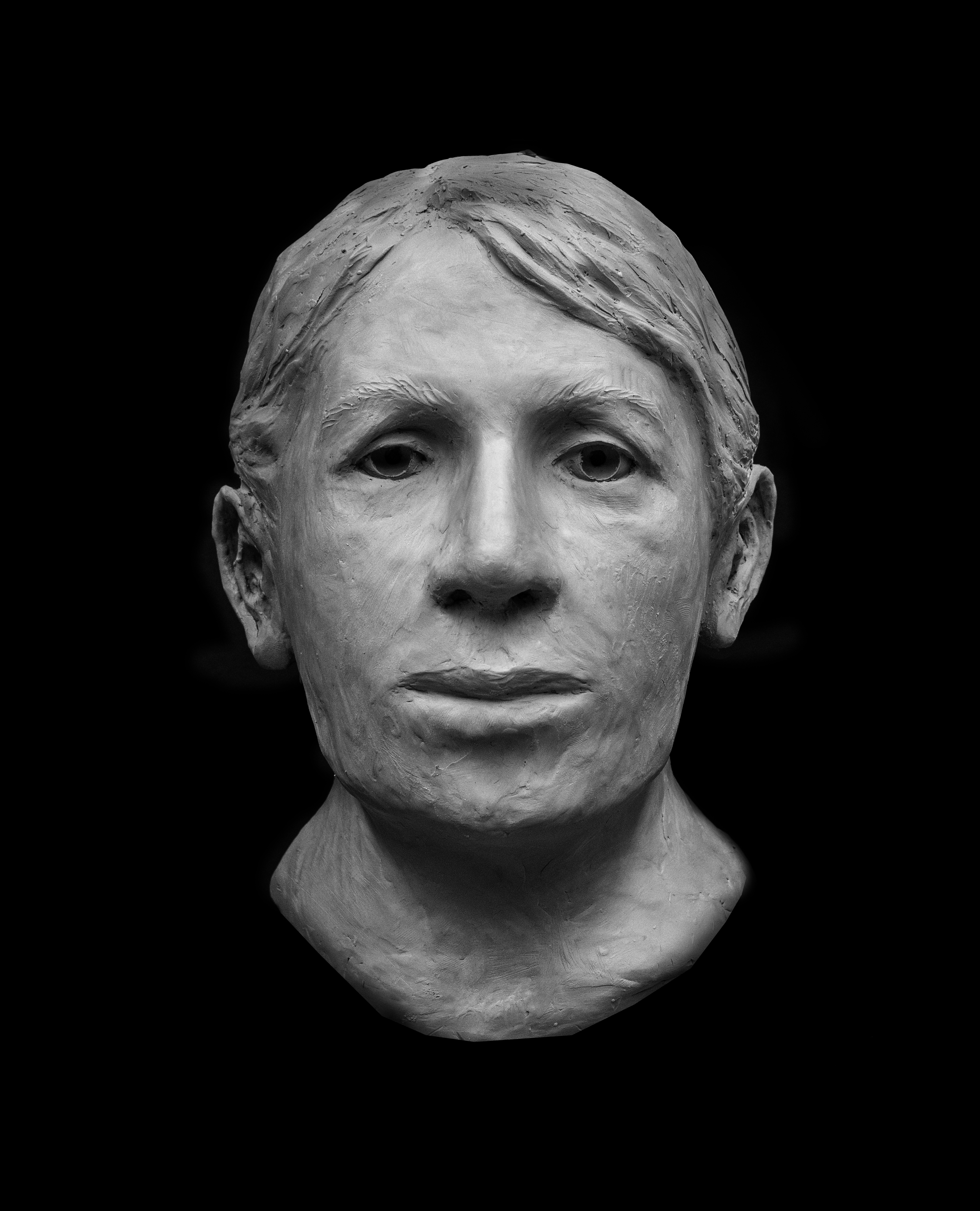
Krista Robin Lueth, a 34-year-old Michigan State University student, vanished from her Lansing, Michigan, home on November 11, 2008. She was in the process of earning a second bachelor's degree, this time in horticulture, having previously completed a degree in botany. On the evening she disappeared, Krista had a conversation with a friend who was subletting an apartment from her between 5:30 and 6:00 p.m.
During their talk, she expressed some financial concerns due to her recent breakup with her live-in boyfriend, which meant she would be solely responsible for the rent. To manage her finances, she mentioned plans to sell her truck and find a part-time job as a waitress. Despite these worries, her friend noted that Krista seemed to be in good spirits. However, she never made it to her 6:30 p.m. class at a greenhouse located just half a mile from her home. Her family grew concerned when they were unable to reach her and all their calls went directly to voicemail, which was highly uncharacteristic of the reliable and responsible young woman.
The scene inside Krista's apartment suggested a sudden and unplanned departure. Her cat was found locked inside, a pot of food was left on the stove, and it appeared as though she had only stepped out for a brief moment. Friends and family described her as a dedicated student with aspirations of attending a graduate program at Cornell University, and someone who would never abandon her pet or her responsibilities without any explanation. The investigation into her disappearance soon pointed towards her ex-boyfriend, Brad Cournaya, as a person of interest. Several months after she went missing, some of her personal belongings, including her driver's license, debit card, and cell phone, were discovered along U.S. 127, south of Lansing. This location was significant as it was the same area where Cournaya's truck had broken down on the night of Krista's disappearance. It was also revealed that the last known call Krista made was to Cournaya.
Over the years, the investigation continued, and in December 2020, Brad Cournaya was officially charged with Krista's murder. At the time of this charge, Cournaya was already incarcerated for other serious crimes. In June 2023, he was convicted of her murder, and in September of the same year, he was sentenced to life in prison without the possibility of parole. Despite the conviction, Krista's body has never been found, leaving her family without the closure of being able to lay her to rest. The case, which began as a missing person report, evolved into a homicide investigation and ultimately concluded with a conviction, highlighting the persistent efforts of law enforcement to seek justice for Krista, even after many years had passed. The circumstances of her disappearance, the discovery of her personal items, and the timeline of events all played a crucial role in building the case against her ex-boyfriend.
Krista Robin Lueth was a 34-year-old woman who disappeared from Lansing, Michigan, on November 11, 2008, after returning home from classes at Michigan State University. She was working toward a second bachelor’s degree in horticulture after already earning a degree in botany, and she hoped eventually to continue her education in a graduate program at Cornell University. That evening, Krista spoke with a friend who was subletting the apartment below hers at the house in the 1100 block of Eureka Street. Their conversation took place sometime between approximately 5:30 and 6:00 p.m. Although Krista discussed financial worries caused by the recent end of her relationship with her live-in boyfriend, she reportedly appeared cheerful and focused on practical solutions, including selling her truck and finding part-time work as a waitress. She was expected at a 6:30 p.m. greenhouse class only about half a mile away, but she never arrived.
When Krista’s family could not reach her and telephone calls went directly to voicemail, they quickly realized that something was wrong. Her father entered her apartment and found a scene suggesting that she had intended to return within a very short time. Her cat had been left locked inside without proper care, and a covered pot of food remained on the stove. Krista had not packed for a trip, abandoned her studies or made arrangements for her pet. Those who knew her described her as reliable, responsible and deeply committed to her education, making the idea that she had willingly walked away from her life difficult to accept. Her credit cards and telephone showed no normal activity after her disappearance, and she did not contact relatives or friends. Investigators ultimately concluded that her absence was not voluntary and declared the case a homicide in 2009.
Attention increasingly centered on Krista’s recently estranged boyfriend, Brad Cournaya. The couple had begun dating in 2007, and he later moved into her Lansing residence. Their relationship ended only days before Krista disappeared after she learned that he had used her credit card to pay more than $200 for telephone-sex calls. Prosecutors later said Cournaya reacted angrily to the breakup, repeatedly contacted Krista and pleaded for another chance. Krista was worried about covering the household expenses alone after he moved out, but her plans to sell her vehicle, work part time and continue her studies showed that she was actively preparing for a future without him. Cournaya was also the last person Krista was known to have called, and investigators determined that he had made false statements about his location and activities on the night she vanished.
Several months after the disappearance, investigators recovered Krista’s cellular telephone, driver’s license and debit card along U.S. 127 south of Lansing. The items were found in the same general area where Cournaya’s truck had reportedly broken down on the night Krista went missing. The discovery gave investigators a physical connection between her belongings and the route associated with her former boyfriend, although Krista herself was not found. Authorities continued collecting forensic evidence, examining telephone and financial records, interviewing witnesses and reviewing inconsistencies in Cournaya’s account. Michigan State Police detectives devoted hundreds of investigative hours to the case, working closely with the Ingham County Prosecutor’s Office even as the absence of Krista’s body made proving a murder considerably more difficult.
As the years passed, Krista’s family remained without a grave to visit or a definitive account of her final moments. A reward of $100,000 was offered in 2013 for information leading to the arrest and conviction of the person responsible for her disappearance or death. Investigators publicly stated that they did not believe she had been the victim of a random act and continued treating the case as a suspected killing. Krista was approximately five feet four inches tall and weighed about 125 pounds, with long brown hair and blue eyes. She had an infinity-symbol tattoo on the small of her back, a birthmark believed to be on her upper left arm, pierced ears and an upper denture plate. She may have been wearing a long black coat and carrying a three-ring binder when she left home, but no confirmed sighting placed her anywhere after the evening she disappeared.
Cournaya’s later criminal history added to investigators’ concerns. He had prior convictions involving rape, child abuse and violations of sex-offender registration requirements, and in 2017 he was convicted of trafficking a minor for commercial sexual activity. Those unrelated offenses did not themselves prove what happened to Krista, but the investigation into her disappearance continued while he was imprisoned. Eventually, prosecutors determined that the accumulated forensic and circumstantial evidence was sufficient to proceed without recovering her remains. Cournaya was charged with first-degree murder, and the case went before an Ingham County jury in 2023, nearly fifteen years after Krista vanished.
During the trial, prosecutors argued that Cournaya had the motive, opportunity and intent to kill Krista after their relationship ended, and that he lied and destroyed or concealed evidence afterward. The defense emphasized that no body had been found and argued that the government could not establish how Krista died or prove that Cournaya caused her death. After hearing testimony and reviewing the evidence, the jury rejected that argument and convicted him of first-degree premeditated murder. Michigan State Police announced that forensic and circumstantial evidence had overcome the absence of a physical body, transforming the long-running missing-person investigation into a successful homicide prosecution.
In September 2023, Cournaya was sentenced to life imprisonment without the possibility of parole. The conviction formally established that Krista had been murdered by her estranged boyfriend, even though he did not disclose where her remains were placed. Michigan State Police stated that investigators would continue searching for her, recognizing that a conviction could not give her family the full measure of closure that would come from bringing her home. Her official missing-person record remains published because her body has never been located, and DNA profiles supplied by her father, mother and maternal half-sister are available for comparison with unidentified remains.
Krista’s story began as the sudden disappearance of a dedicated student who seemed to have stepped away from her apartment for only a moment. Her cat waited inside, food remained on the stove and an evening class passed without her arrival. Over the following years, investigators uncovered evidence leading back to the former boyfriend she had left only days earlier, while her personal belongings were found beside a highway connected to his movements that night. In overview, Krista Lueth disappeared from Lansing on November 11, 2008, and was declared the victim of a homicide the following year; Brad Cournaya was ultimately convicted of her first-degree murder and sentenced to life without parole, but Krista’s remains have never been recovered, leaving her family with justice in the courtroom while the search to bring her home continues.Last Seen: Nov 11, 2008