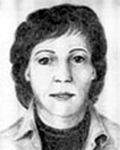
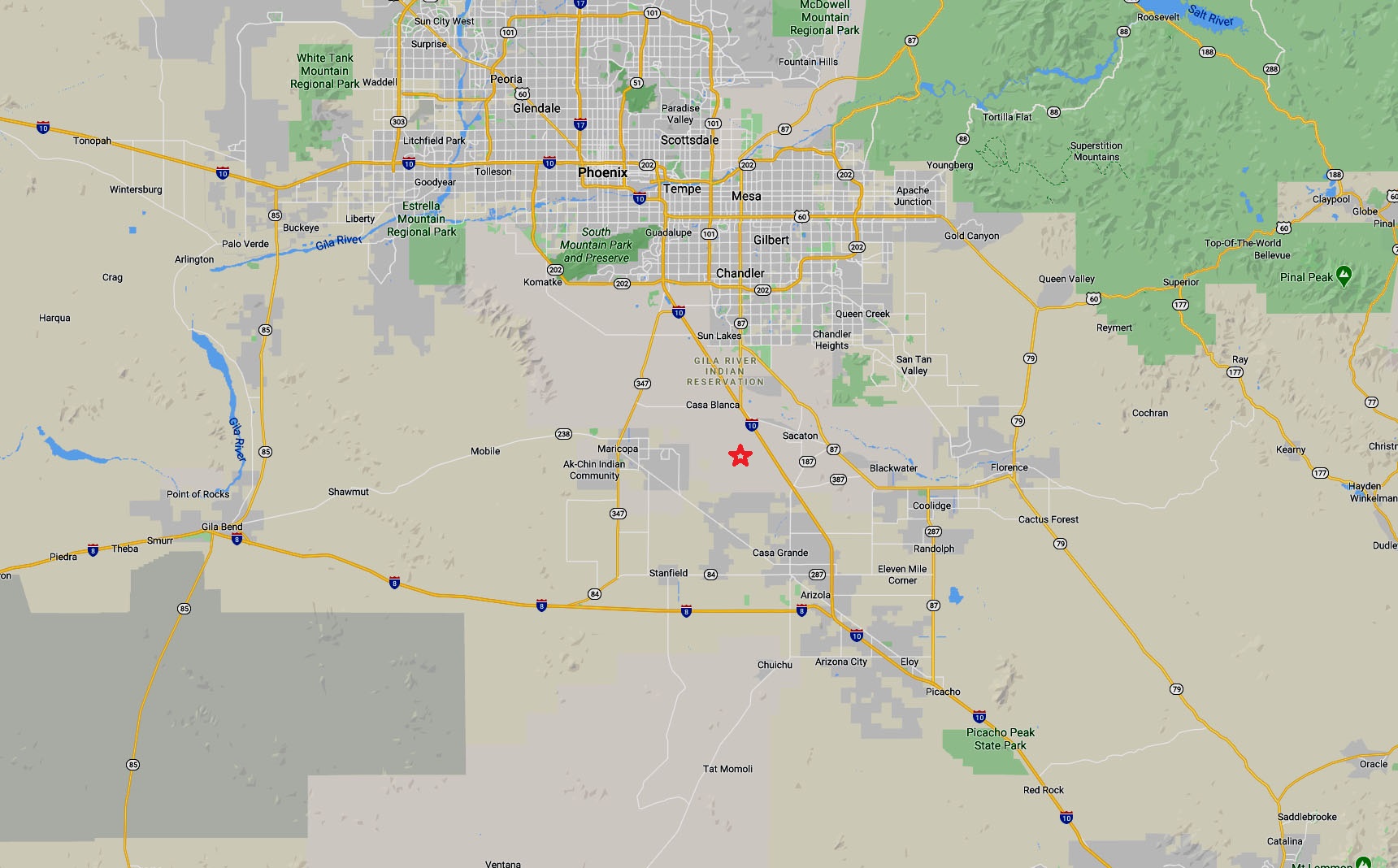
On a warm evening in Phoenix, Arizona, on September 20, 1973, fourteen-year-old Dorothy 'Dotty' Mildred Clitheroe was at Cortez Park, located at 35th Avenue and Dunlap. At approximately 6:30 p.m., she was seen walking toward the restrooms and was never heard from again. At the time of her disappearance, Dorothy was described as being between 5'3' and 5'4' tall and weighing between 130 and 140 pounds, with brown hair and brown eyes.
She was wearing a distinctive outfit consisting of a white tank top with a multi-colored inverted teardrop pattern and blue Levi's bell-bottom jeans that had been widened with blue and white dotted material. Dorothy also wore oval-shaped eyeglasses with thick lenses that would darken in the sunlight and had pierced ears. A notable characteristic was a scar she may have had on one of her forearms from backing into a hot radiator; the scar was of the words 'US Steel,' and it's possible only the letter 'U' was still visible by 1973.
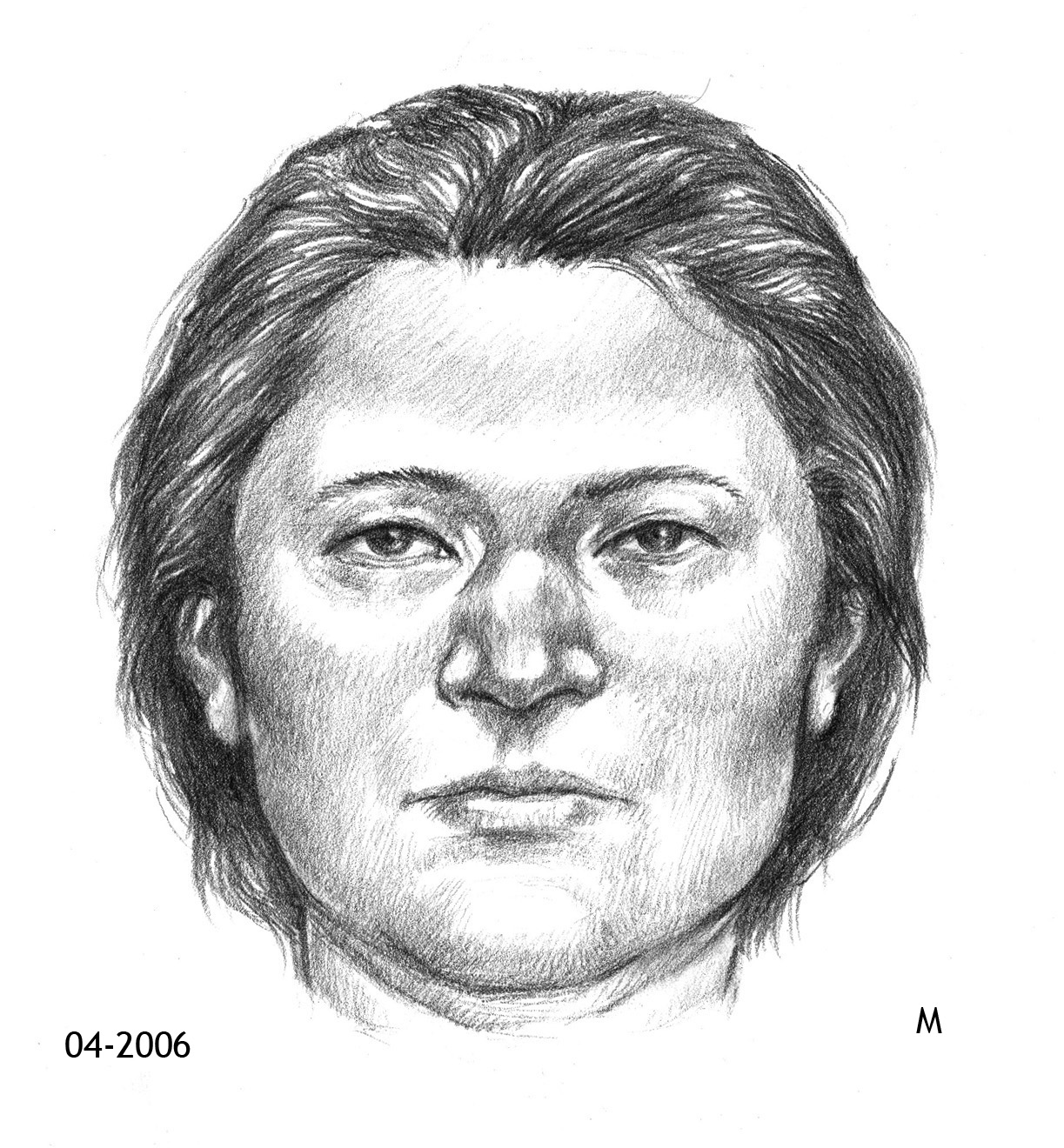
The circumstances surrounding Dorothy's disappearance remain unclear, and for many years, her case has been classified as an endangered missing person. Investigators have considered the possibility that she may have traveled to Portland, Oregon, or Houston, Texas, which has led to the involvement of Texas authorities in the investigation. Despite the passage of time, law enforcement agencies, including the Phoenix Police Department and the Texas Department of Public Safety, have kept her case open. In an effort to generate new leads, age-progressed photos of Dorothy have been released over the years, showing what she might look like at various ages. Furthermore, her DNA has been entered into the Combined DNA Index System to be compared against unidentified remains across the country.
Over the decades, Dorothy's case has been the subject of public interest and speculation. One theory that has emerged connects her disappearance to the serial killer Rodney Alcala, who was active during that period and known to photograph his victims. This speculation arose from a resemblance between Dorothy and an unidentified individual in one of Alcala's photos. However, no definitive link has been established. The investigation into what happened to Dorothy Clitheroe after she walked towards the park restroom that September evening in 1973 is ongoing. Her family and the community continue to hope for answers in this long-unsolved case, which serves as a painful reminder of the enduring mystery and the profound loss experienced when a child vanishes without a trace.Last Seen: Sep 20, 1973