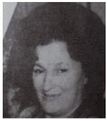
On July 2, 1988, 15-year-old Brenda Kay Green, a white female teenager from Brookwood, Alabama, disappeared from rural Tuscaloosa County. Public case records describe Brenda as 5 feet 2 inches tall and about 106 pounds at the time she vanished, with brown hair and brown eyes; her hair may have been dyed blonde. She was last known to be wearing a white tank top, blue jeans that had been signed with a marker, and white tennis shoes or sneakers.
Brenda also had a scar on her left eyebrow, a small identifying feature that remains part of the public description circulated in hopes that someone may recognize her.
The account of Brenda’s disappearance begins with what seemed, at first, like an ordinary summer day. According to public missing-person listings, she was last seen leaving her home with a male companion. The Tuscaloosa County Sheriff’s Office cold case page states that Brenda was dropped off at a friend’s house in a rural part of Tuscaloosa County, in the Brookwood area, on July 2, 1988. That friend was reportedly not home, and Brenda remained there to wait. At some point later that day, her mother received a telephone call from her, but after that call Brenda was never seen by her family again.
Other public summaries add that Brenda had reportedly planned to visit friends in Abernant, Alabama, and that she was last connected to a residence across from Hosmer’s Grocery on Highway 216. The most consistent thread across the public records is painfully narrow: Brenda left home, was believed to be with or transported by a male companion, reached or was dropped near a place where she expected to meet someone, and then vanished. The National Center for Missing & Exploited Children states that she has not been seen since and is considered at risk as lost, injured, or otherwise missing.
The years since Brenda disappeared have turned her case into a long-standing absence for the people who loved her and for the community that still remembers her as a teenager. Public listings continue to circulate her identifying details, including her possible dyed-blonde hair, brown eyes, scar on the left eyebrow, and the clothing she was last known to be wearing. NCMEC has also published an age-progressed image showing what Brenda may have looked like at age 34, a reminder that while time has moved forward, the hope for answers has not ended.
Brenda Kay Green’s case remains centered on a brief and troubling sequence of events from July 2, 1988: a 15-year-old girl from Brookwood, Alabama, left home, was last associated with a male companion and a friend’s residence in rural Tuscaloosa County, spoke to her mother later that day, and then disappeared without another confirmed sighting. The Tuscaloosa County Sheriff’s Office remains connected to the investigation, and public case information asks anyone with knowledge that could help explain what happened to Brenda to contact authorities. In overview, Brenda’s disappearance is the story of a young girl whose ordinary plans on a summer day became an enduring missing person case, one still defined by a family’s unanswered questions, a community’s memory, and the continued need for information that may finally bring clarity.Last Seen: Jul 2, 1988