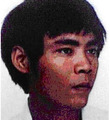
In the autumn of 1990, a skilled cabinetmaker named Robert Lynn Manley Jr. was building a life for himself in Phoenix, Arizona. At 31 years old, "Bob," as he was known, was dedicated to his craft. On October 9, 1990, he was last seen at his home, located near 9th Avenue and Indian School Road. He had a work trip planned and was scheduled to drive to El Centro, California, to install some cabinets for a client.
However, Manley never arrived at his destination, and the subsequent silence grew into a serious concern for those who knew him. The first signs that something was gravely wrong were discovered back at his apartment complex. His pickup truck was found parked, but inside the vehicle were his luggage and tools, packed and ready for the trip he never took. Further investigation revealed his keys and wallet were still secured inside his locked apartment, an unsettling detail that pointed away from a voluntary departure.
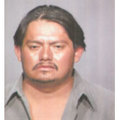
As the Phoenix Police Department delved into the case, the evidence they uncovered within Manley's apartment began to paint a grim picture, suggesting that a violent struggle had taken place and that he had likely met with foul play. The investigation soon focused on a man named John Kennard Ingersoll. Authorities learned that Ingersoll harbored a strong suspicion that Manley was having an affair with his wife. This motive of jealousy led investigators to believe that Ingersoll had confronted Manley. The case against him strengthened when forensic evidence, specifically blood, was discovered in the back of Ingersoll's pickup truck. Despite the growing evidence implicating Ingersoll in Manley's disappearance, extensive searches yielded no sign of the missing man.
In 1992, the case moved to the justice system when John Kennard Ingersoll was arrested and formally charged with the kidnapping and first-degree murder of Robert Manley Jr. Prosecutors argued that Ingersoll, driven by his suspicions, shot Manley and subsequently buried his body somewhere in the vast desert landscape. Despite the fact that Manley's body had not been found, the evidence presented was compelling enough for a jury. Ingersoll was convicted of the charges and sentenced to life in prison, with no possibility of parole for 25 years. While the conviction brought a form of legal resolution, it could not provide complete closure for Manley's loved ones. The case remains a poignant one, officially classified as a presumed homicide, as the final, and perhaps most crucial, piece of the puzzle is still missing. Robert Manley Jr.'s body has never been recovered, leaving his final resting place unknown and his family without the chance to lay him to rest.Last Seen: Oct 9, 1990