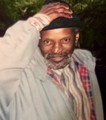
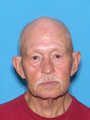
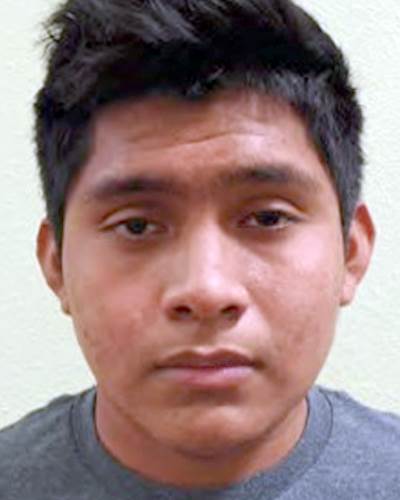
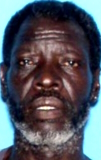
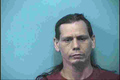
On the evening of January 26, 1997, Floyd Roger Hurst left his residence on Sunny Eve Road in Oxford, Alabama, with plans to watch a Super Bowl party at the Red Horse Lounge in the neighboring town of Anniston. His former wife was reportedly the last person to see him before he departed. Concern grew when a friend from the lounge called to ask why he had not yet arrived. Hurst, a 43-year-old man, never made it to the party and was never heard from again.
The vehicle he was driving, a blue 1990 Dodge Caravan, was later discovered abandoned at the Georgia Welcome Center just off Interstate 20, adding a troubling dimension to his sudden disappearance. The discovery of his van far from his intended destination marked the beginning of a long and complex investigation into his fate.
The investigation soon focused on Hurst's next-door neighbor and acquaintance, Jack David 'Jackie' Stovall II. Stovall had a history of violent behavior, including an alleged prior incident where he had broken the arm of Hurst's brother. Investigators learned that prior to Hurst's disappearance, Stovall's home had been robbed by three masked individuals who stole cash, firearms, and more than $80,000 in jewelry. Stovall apparently came to believe that Hurst and one of his friends, Barry Jackson, were two of the people responsible for the robbery. This belief provided a potential motive, and the investigation into Stovall intensified six months after Hurst vanished when Stovall was arrested for attempting to hire a man named William Oneal Rhodes to murder Jackson. The meeting to plan the killing took place at the very same Georgia Welcome Center where Hurst's van had been located.
During his conversations with Rhodes, Stovall allegedly made incriminating statements, claiming he had already dealt with the others involved in the robbery. He reportedly said Hurst was the first one he had killed, followed by another man, Daryl 'Monkey' Adams, who was discovered shot to death in a limousine in Anniston sometime after Hurst disappeared. Stovall purportedly boasted that he had hidden Hurst's body in a place where it would never be found. Despite these alleged confessions, the case saw many turns. Stovall eventually accepted a plea bargain for the attempted murder-for-hire charge and was released from prison in 1997. It wasn't until March 2014 that a break in the cold case led to capital murder charges against Stovall, and later that month, another man, Kenneth Earl Kemp II, was also charged. However, the path to justice remained elusive. Kemp passed away in 2017 before his trial could begin, and in 2021, the murder case against Stovall was dropped. The case remains an unsolved disappearance where foul play is strongly suspected; authorities have stated they believe Hurst died from 'total body traumatic fragmentation,' yet without a conviction or the recovery of his remains, the full story of what happened to Floyd Hurst remains unknown, leaving his family with unanswered questions.Last Seen: Jan 26, 1997