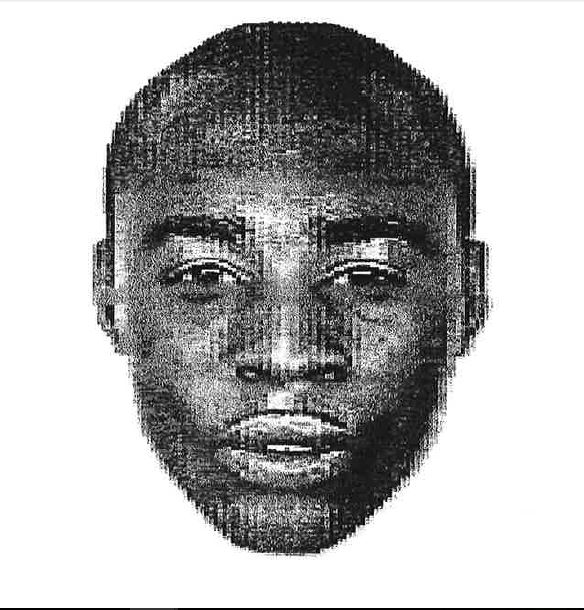
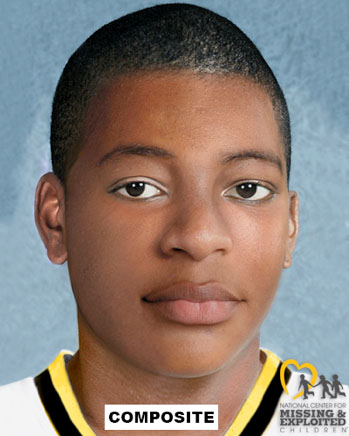
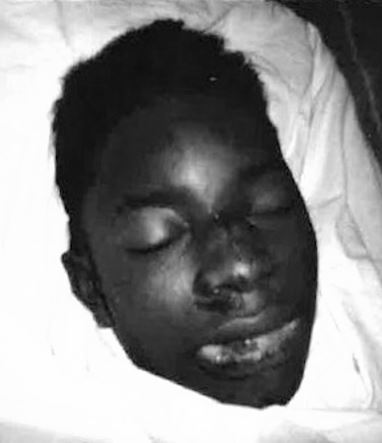
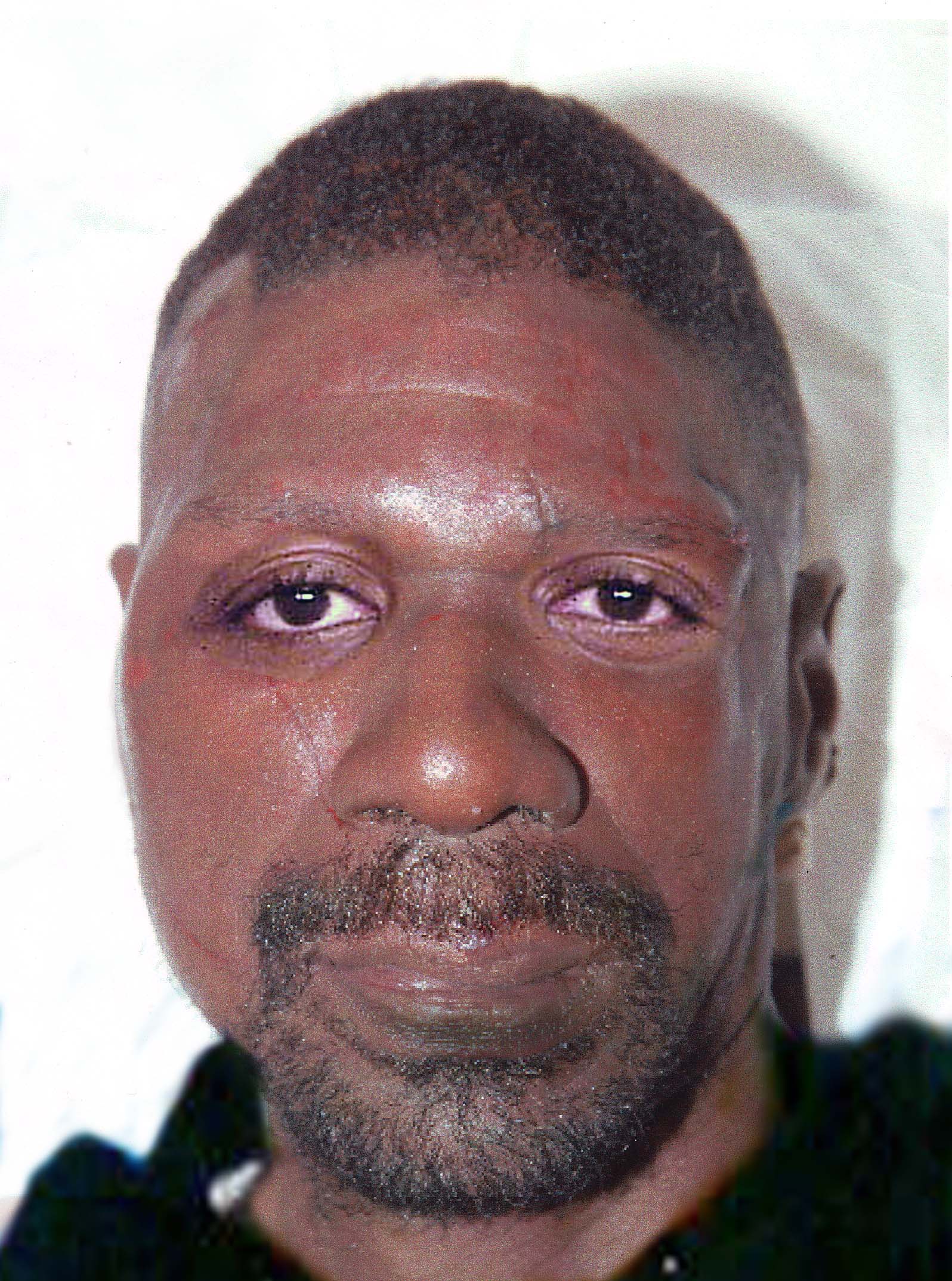
In the autumn of 1988, a 16-year-old boy named Nathaniel Reed vanished from Detroit, Michigan. He was last seen on November 9th of that year. At the time of his disappearance, Nathaniel was described as a Black male, standing at 5'6' and weighing 140 pounds, with black hair and brown eyes. The circumstances surrounding his disappearance are not widely known, and there is very little information available about what might have led to him going missing.
He has not been seen or heard from since that day, leaving a void of information and a case that has grown cold over the decades.
Decades have passed since Nathaniel Reed was last seen, and the limited details surrounding his case have made the search for answers incredibly challenging. Information regarding what he was wearing on the day he disappeared or any potential reasons for his disappearance has not been made public. The passage of time has only deepened the mystery, as efforts to locate him have not yielded any significant developments. His case is classified as an endangered missing person, a term that underscores the vulnerable circumstances under which he vanished.
The investigation into Nathaniel Reed's disappearance remains open, with the Detroit Police Department officially listed as the investigating agency. Despite the years that have turned into decades, his case is still listed on national missing persons' databases in the hope that new information may one day come to light. The lack of available details makes this a particularly difficult case, a quiet and sorrowful mystery of a teenager who disappeared without a trace from a major American city. This overview represents the story of a long-unsolved case, a plea for remembrance and any information that might finally explain what happened to Nathaniel Reed.
Nathaniel Reed was a 16-year-old Black male when he disappeared from Detroit, Michigan, on November 9, 1988. The last documented contact with him occurred at approximately 10:30 that night, but the publicly available case record does not identify the exact address, neighborhood, or setting where he was last seen. Nathaniel was about five feet six inches tall and weighed approximately 140 pounds. He had black hair and brown eyes. No description of the clothing, shoes, jewelry, or personal belongings he had with him has been publicly provided, leaving investigators with only a limited physical description of the teenager whose whereabouts suddenly became unknown.
Very little has been released about the hours leading up to Nathaniel’s disappearance. The available information does not explain whether he had been at home, visiting friends, attending an event, walking through his neighborhood, or traveling to another part of Detroit. It is also unclear who last saw him, whether he mentioned where he was going, or whether anyone was expected to meet him. There is no vehicle listed in connection with the case, and no public record indicates that Nathaniel was seen entering a car, boarding public transportation, or leaving the city. His trail appears to end with the simple notation that he was last seen on November 9, leaving an enduring mystery without the detailed timeline that often helps investigators reconstruct a missing person’s final movements.
Nathaniel’s age made his disappearance especially concerning. Although he was old enough to move around independently, he was still a minor and remained vulnerable to coercion, exploitation, violence, or circumstances beyond his control. The public case information does not indicate that he packed clothing, took important possessions, arranged for long-term transportation, or told relatives that he intended to leave home permanently. There is also no confirmed evidence that he later contacted family members, enrolled in school elsewhere, obtained employment under his own identity, or established a life in another community. Without such a trail, authorities have been unable to determine whether Nathaniel left voluntarily for a short period and encountered trouble, or whether another person played a role in his disappearance.
Detroit in 1988 was a large and heavily populated city where a teenager could move through numerous neighborhoods and commercial areas without leaving the kinds of electronic records available today. There were no mobile telephone location histories, widespread surveillance systems, digital payment records, or automated license-plate databases capable of preserving a person’s route. Investigators would have depended heavily upon witness recollections, handwritten records, telephone calls, and information supplied by relatives or acquaintances. If Nathaniel accepted a ride or met someone away from home, that encounter may have left no permanent record unless a witness recognized its importance and came forward.
The scarcity of publicly available information has prevented any reliable reconstruction of Nathaniel’s disappearance. No confirmed later sighting has been announced, and there is no indication that his personal belongings were found abandoned. Authorities have not publicly connected his case to a particular residence, vacant building, roadway, body of water, or other place that could have become the focus of a search. It is also not known whether investigators received reports of possible sightings in the days or years that followed. As a result, there is no established direction in which Nathaniel traveled after his final known contact and no verified destination against which later information can be measured.
No suspect or person of interest has been publicly identified in connection with Nathaniel’s disappearance. The available records do not report an arrest, criminal charge, confession, or discovery of physical evidence suggesting that a specific person harmed him. There is likewise no public confirmation that Nathaniel was the victim of an abduction or homicide. Those possibilities cannot be excluded, but the lack of disclosed evidence means that investigators have not publicly established what caused him to vanish. His case remains classified as a missing-person investigation rather than a resolved criminal matter.
Unlike some long-term missing-person cases, Nathaniel’s public record does not list family DNA reference samples. This does not necessarily mean that none have ever been collected, but no such information appears in the available case profile. Family DNA can be valuable when unidentified remains are recovered, because it allows forensic laboratories to compare genetic profiles across jurisdictions. The absence of publicly listed samples may make it more difficult to know whether unidentified-person cases have been tested against Nathaniel’s relatives, although investigators can still use photographs, dental information, fingerprints, or other identifying records if any are available outside the public file.
Nathaniel’s case remains assigned to the Detroit Police Department. His disappearance is preserved in national missing-person records, but the information made available to the public consists mainly of his name, physical description, last-known city, and date of disappearance. No official resolution has been reported. For his loved ones, the lack of detail has meant decades without knowing whether Nathaniel left Detroit, remained somewhere within the city, encountered an accident, or became the victim of another person. Every passing year has widened the distance from the night he vanished while leaving the central questions unchanged.
In overview, Nathaniel Reed was a 16-year-old Detroit teenager who was last seen on the night of November 9, 1988, and then disappeared without a confirmed destination or subsequent sighting. No publicly named suspect has been charged, no known evidence has explained his fate, and the available record offers almost no account of his final activities. His case remains a deeply unresolved story of a young person who vanished with scarcely a trace, leaving investigators with few public clues and his family with the continuing hope that someone may still remember something capable of revealing what happened to Nathaniel.Last Seen: Nov 9, 1988