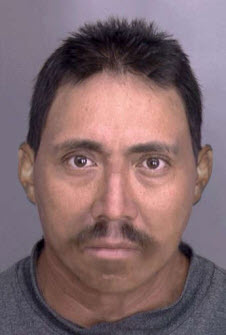
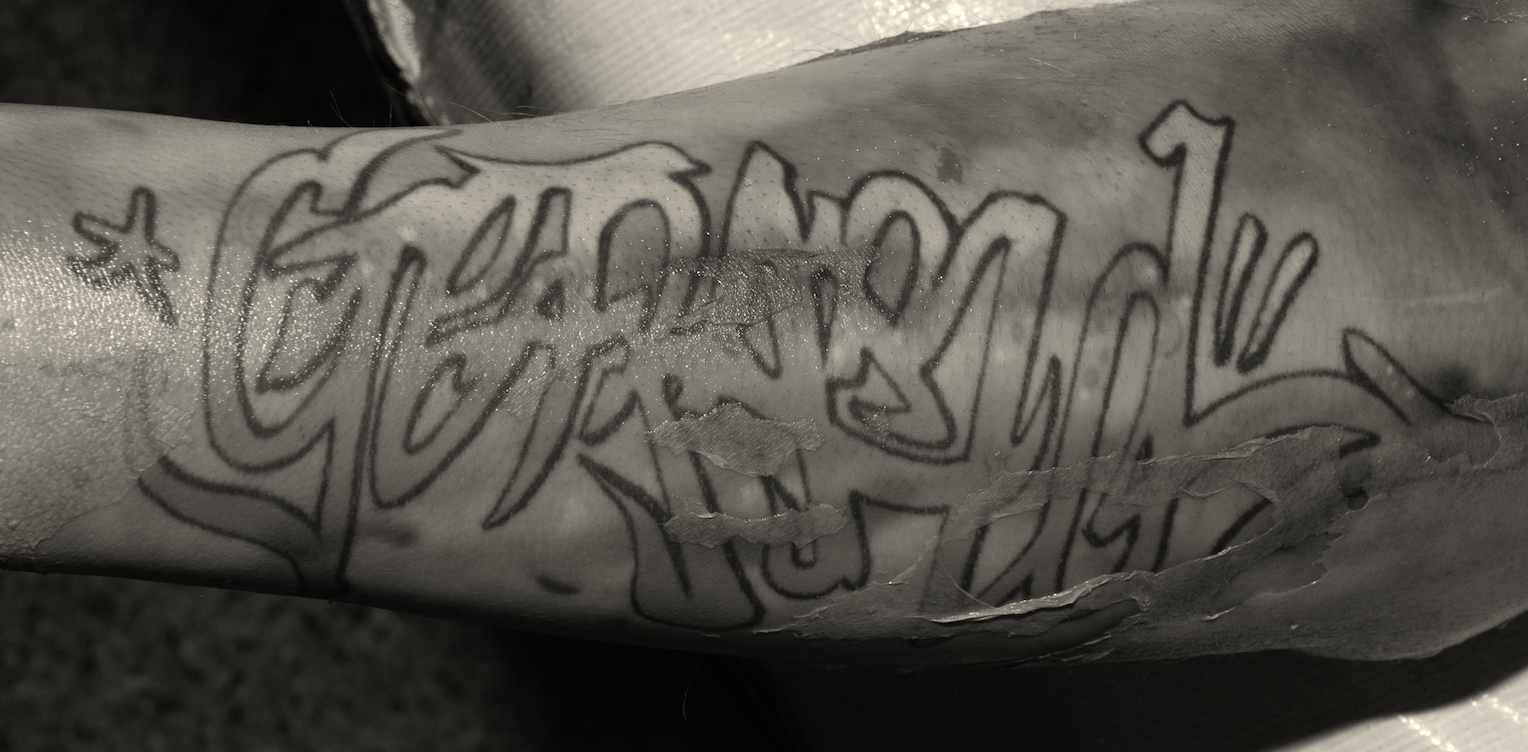
In the winter of 2006, Andrew 'Andy' Chapman, a 32-year-old father, was living a life marked by significant personal challenges. Residing in the Hilltop area of Columbus, Ohio, he was grappling with a drug addiction that had taken a heavy toll on his life. This struggle had contributed to the painful separation from his wife, who had left with their young son.
Despite these difficulties, he maintained regular contact with his mother and grandmother, who remained pillars of support in his turbulent world. In the days leading up to his disappearance, Andrew was also facing legal issues, including a felony drug possession charge and a subsequent warrant for his arrest after he failed to appear in court. This period of his life was further complicated by financial and housing instability; he and his roommates were facing foreclosure on the home they were renting.
The circumstances surrounding the last time Andrew was seen are filled with a sense of urgency and alarm. On or around December 8, 2006, he made a frantic phone call to his mother or grandmother, insisting he needed to see her right away. Unfortunately, she was ill and unable to visit him immediately. When she recovered enough to go to his home on Whitethorne Avenue a few days later, she was met with an unsettling scene: the house was completely empty. Andrew, along with his roommates, had vanished, and a neighbor informed her that the occupants had moved out a few days prior. Andrew's personal belongings and a car he had recently purchased were left behind, deepening the mystery of his sudden departure.
In the years that have followed, the search for Andrew Chapman has been a long and arduous journey for his family. They officially reported him missing in January 2007. The investigation faced an early setback when, in 2008, authorities closed the case, believing Andrew had intentionally fled to avoid his legal problems. However, in 2013, recognizing that years had passed without a single word to his devoted family, the police reopened the investigation. Initially, his loved ones held onto the possibility that he had left on his own, perhaps to deal with his addiction. But as the silence stretched into years, their hope turned to a growing fear that he had met with foul play. The family's pain is compounded by unanswered questions regarding a significant sum of money, approximately $37,000, that Andrew withdrew from his retirement account shortly before he disappeared. A portion of this money was used to buy a car, which was discovered to have had its title transferred to a relative of one of his former roommates after he went missing. The case of Andrew Chapman remains an unsolved and deeply felt loss, leaving his family to continue their relentless search for answers.Last Seen: Dec 8, 2006