Crime Solvers Central
298 Cases Solved. Advancing justice for missing persons, unsolved homicides, unidentified and unclaimed remains.

Case Description

Any updates on this case? Let us know!
Summary based on the NamUs case record (MP10760) and 13 other sources
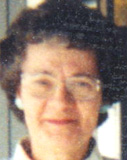
Dawn Marlene Allen, aged 50, disappeared from her home in Carroll, Iowa, on May 4, 2011. She was last seen around 8:30 p.m. that night, but she never showed up for work the next morning at a local Subway, where she had worked for over 20 years. Her white Chevrolet Blazer was found abandoned in the parking lot of a local bar, The Piranha Club, early the next day. The vehicle was not at the location when the bar closed the night before, raising suspicions about the timeline of her disappearance.

Dawn was dating a 54-year-old married man, James Snovelle, who had falsely claimed to be separated from his wife. Snovelle became a person of interest after investigators linked him to her disappearance. When authorities approached him in Kansas five days after she went missing, Snovelle fled and ultimately took his own life before police could question him. Although there was no direct evidence connecting him to Dawn’s disappearance, police believe he may have been involved.

Despite extensive searches and ongoing efforts, Dawn’s whereabouts remain unknown, and foul play is suspected. Investigators continue to seek information that could lead to resolving her case.

Last Seen: May 4, 2011

Possible Unidentified Matches (1)

Unidentified remains cases whose details are consistent with this person, ranked by how closely they compare. Fields that are unknown in either case are left out of the score.

75%Possible
Jane Doe — Ames, Iowa
UP130738 • Found Aug 22, 2024
View case
Sex ✓Female
Age 85%Est. 50–70 vs 50 when missing
Race 100%White
Location 85%66 mi away, same state
TimingFound 13 years after last seen
Height 100%5'2" vs 5'0"–5'2"
Weight 46%88 lb vs 135–145 lb
Hair 50%Brown vs Blond
Eyes 100%Blue vs Blue

These comparisons are generated automatically from public NamUs case data and are not confirmed identifications. Only DNA, dental or fingerprint comparison by investigators can confirm an identity. If you believe two cases are connected, contact the agency handling the unidentified case.