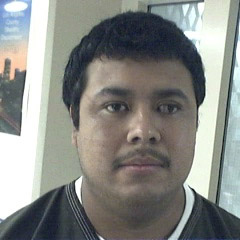
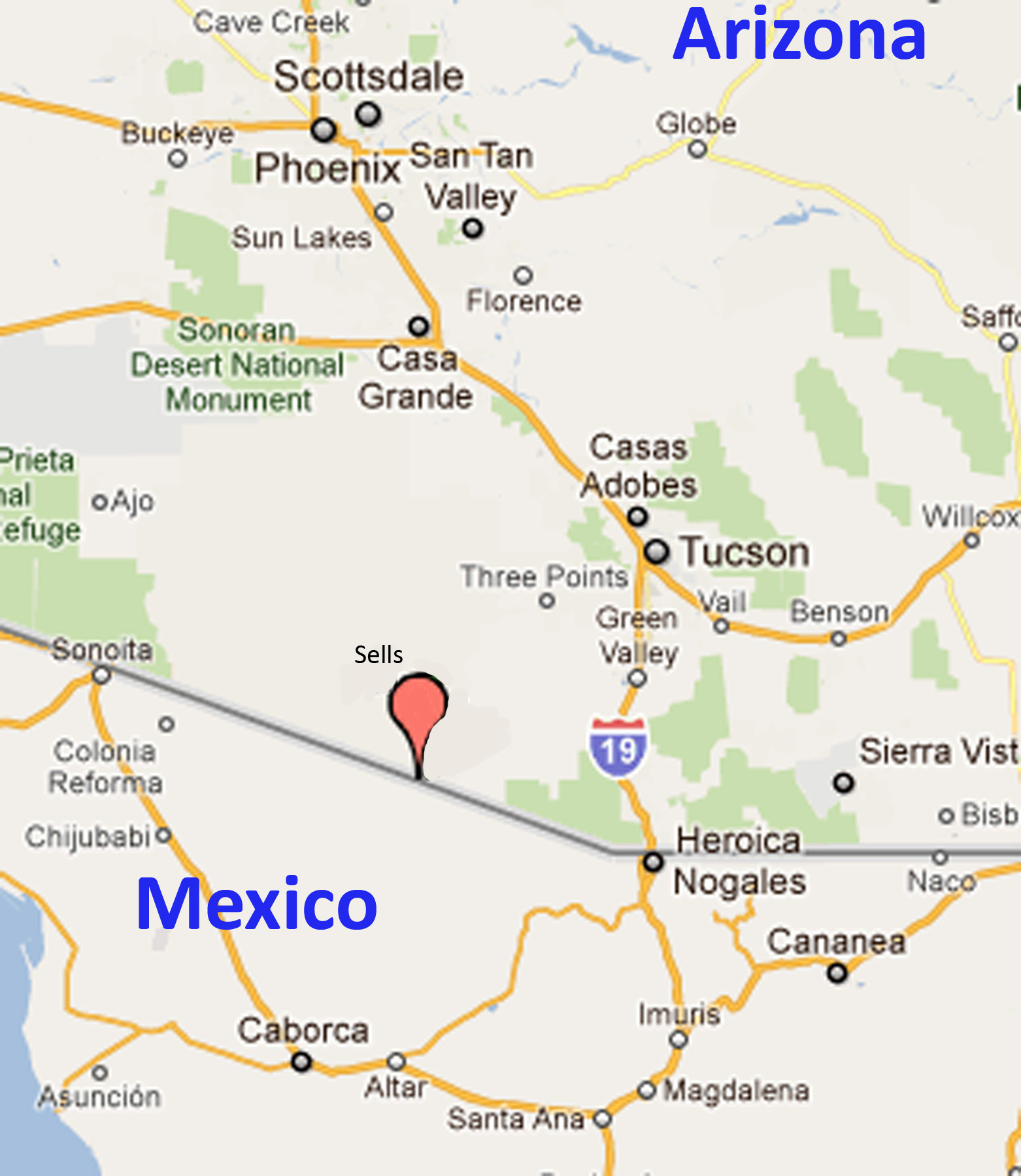
In the vast, unforgiving landscape of the Sonoran Desert near Sasabe, Arizona, the story of Jose Ricardo Garay Garay, a 40-year-old man, drew to an uncertain close in the summer of 2009. Driven by a powerful desire to return to his family in the San Francisco Bay Area, Jose, also known as Rick, found himself preparing for a perilous journey. Just seven weeks prior, he had been deported to his native El Salvador, a separation that left him feeling trapped and distant from his two-year-old son
and his fiancée's two boys. Determined to be reunited with them, he made his way north again. On the evening of June 30, 2009, he made a final phone call to his fiancée, his voice a mixture of nervousness and hope. He told her he was somewhere south of the U.S.-Mexico border and would begin walking the next morning, promising he would be home in time for the Fourth of July holiday.
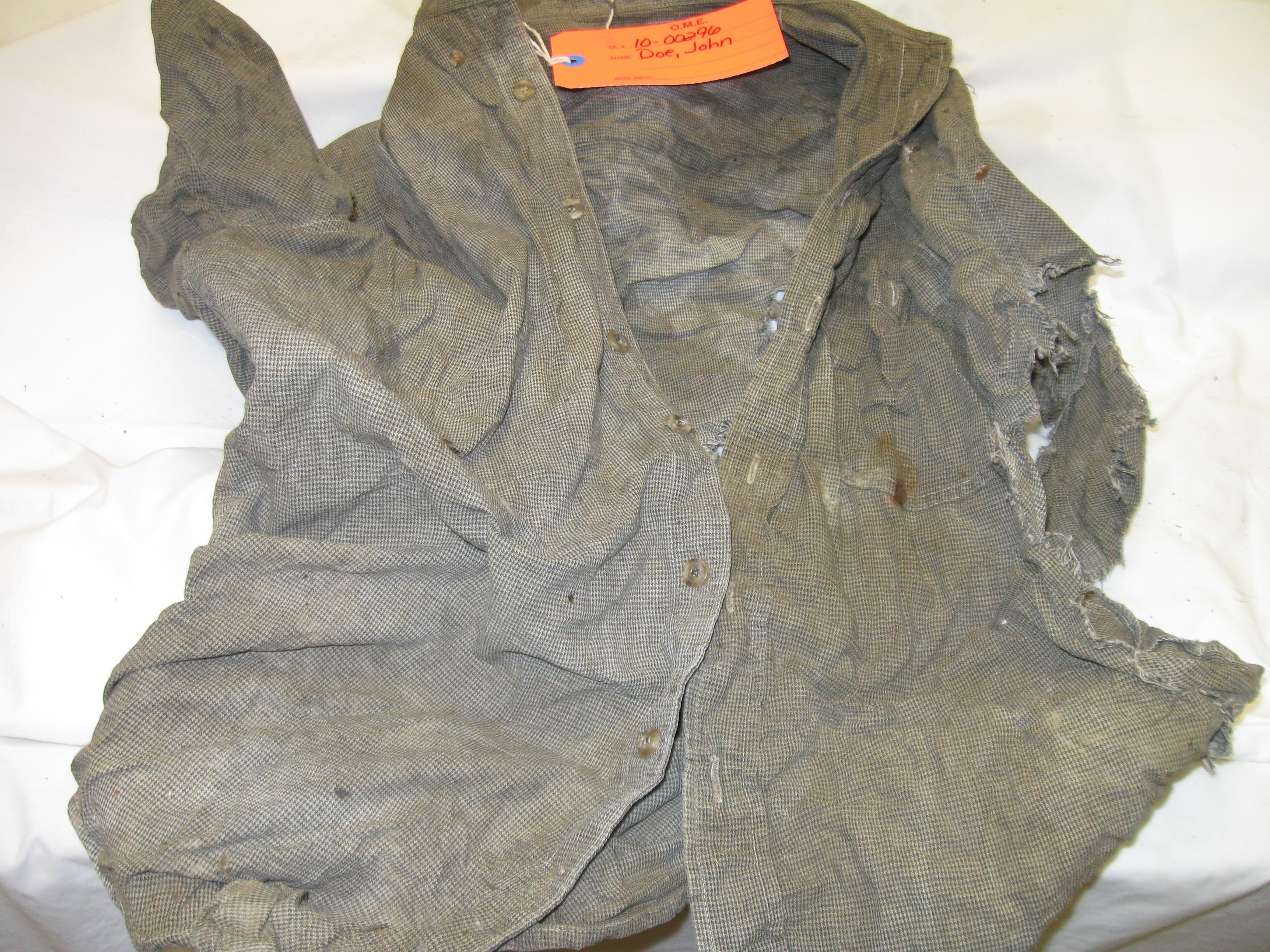
During that last conversation, Jose had his fiancée wake his sons so he could tell them he loved them. He was about to traverse a notoriously dangerous corridor for migrants, facing daytime temperatures in the low 90s. He was traveling with a group from his hometown, guided by smugglers through the harsh terrain. For this daunting trek, he was dressed in blue jeans, a green shirt, and white tennis shoes, and he carried with him a wooden rosary with a cross. The hope of celebrating a quintessentially American holiday with his family fueled his journey, but the desert held its own unforgiving plans. His family waited, holding onto the hope of his promised return.
An agonizing month of silence passed before any news surfaced. Near the end of July, the family's hope turned to despair when a member of the group Jose was traveling with made contact. The caller delivered heartbreaking information: two people from the group had been left behind in the desert, and one of them was Jose. Jose is described as a Hispanic male with black hair and brown eyes. He has several distinct tattoos, including a lion's face on his right chest, the name 'Garay' on his right forearm, and an image of two hands holding a baby with the name 'Diana' on his left arm. The case of Jose Garay Garay is a story of desperation and love, illustrating the profound risks individuals take to reunite with their loved ones. It is the story of a final phone call, a promise to be home for a holiday, and a subsequent disappearance into the brutal heat of the Arizona desert, leaving a family with unanswered questions and an enduring loss.Last Seen: Jun 30, 2009