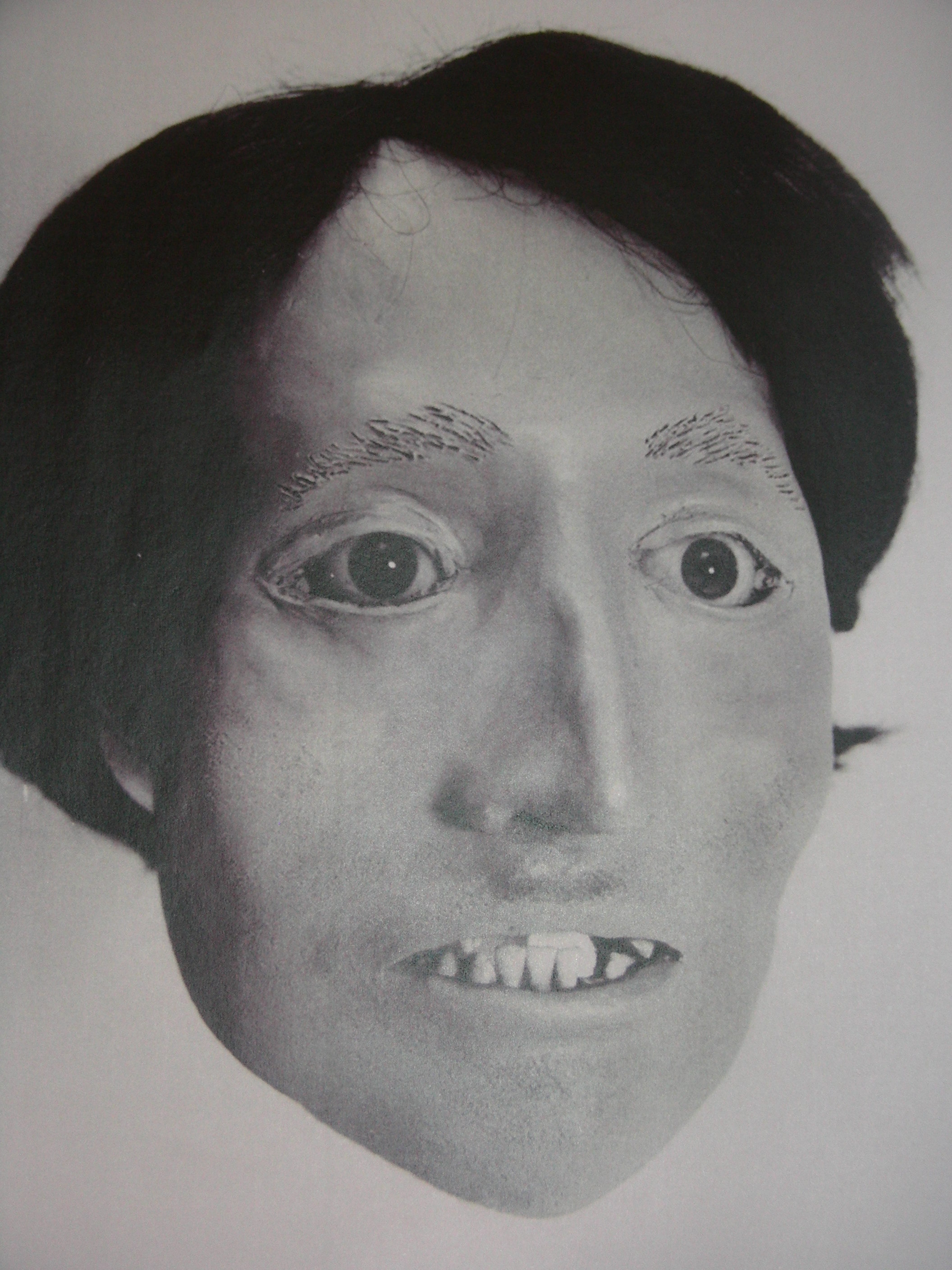
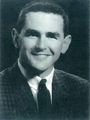
Richard Kirby Windsor, also known by his middle name, Kirby, was 31 years old when he was last seen in South Burlington, Vermont, on January 27, 1971. Public missing-person listings identify him as a White/Caucasian male with brown hair, about 5 feet 11 inches to 6 feet 2 inches tall, and approximately 160 to 170 pounds. His NamUs case is listed as MP26480, and the circumstances associated with his disappearance state that he boarded a private aircraft bound for Rhode Island before the aircraft
was lost in Lake Champlain during heavy weather and not recovered.
The aircraft involved was an Aero Commander 1121 Jet Commander, registration N400CP, operated by Cousins Property as a business or executive flight. It departed Burlington International Airport for Providence Airport in Rhode Island under an instrument flight rules flight plan. The NTSB’s wreckage-identification report states that the aircraft left runway 33 at about 7:52 p.m. local time, climbed on runway heading, turned west and then south, and lost radar contact a few minutes later over Lake Champlain.
There were five people aboard the plane: two crew members and three passengers. Public reporting and aviation records identify those aboard as pilots George Nikita and Donald Myers, along with passengers Richard Kirby Windsor, Robert Ransom Williams III, and Frank Wilder. The men associated with Cousins Property had reportedly been working on a development project in Burlington before departing for Providence. The NTSB and aviation records state that the aircraft was destroyed when it impacted Lake Champlain, and that the two pilots and three passengers were presumed fatally injured.
The initial search efforts were extremely difficult. According to the NTSB, no significant wreckage was located despite an eight-day search, and the effort was suspended because of winter weather conditions. A later spring 1971 search also failed to locate significant portions of the aircraft, though the original investigation believed the wreckage was likely somewhere in Lake Champlain near the Four Brothers Islands. Associated Press reporting noted that the lake froze over four days after the plane disappeared, adding another painful obstacle for searchers and the families waiting for answers.
For decades, Richard’s disappearance remained tied to one of Lake Champlain’s long-running aviation mysteries. The absence of recovered wreckage left families without certainty, and later searches continued without success. The Associated Press reported that at least 17 searches took place over the years. A renewed interest in the case eventually brought together relatives, researchers, and search specialists, including underwater searcher Garry Kozak and a team using sonar and a remotely operated vehicle.
In May 2024, searchers located a target in Lake Champlain using high-resolution side-scan sonar, and an underwater submersible later recorded images of what appeared to be large fragments of aircraft wreckage. The NTSB report states that review of the underwater video found multiple components consistent with fragments and parts from an Aero Commander 1121, and that the wreckage appeared destroyed and highly fragmented. The wreckage was not physically recovered, and the NTSB noted that it had not been provided physical wreckage to examine at the time of that report.
Associated Press reporting described the likely wreckage as being found in about 200 feet of water near Juniper Island, close to where the radio control tower had last tracked the aircraft before it disappeared. Kozak said the matching paint scheme, sonar evidence, and location made the team highly confident the wreckage was the long-missing jet. The discovery brought a measure of long-delayed clarity, while also reopening grief for relatives who had lived for more than five decades without knowing where the plane had gone down.
The case-resolution field in the provided data does not indicate that Richard was found alive or that his case was formally closed as deceased. However, the NTSB and aviation records state that all five occupants were presumed fatally injured in the Lake Champlain crash. Because the aircraft wreckage was identified only decades later and was not reported recovered, and because public information does not provide a confirmed recovery of Richard’s remains, the exact date and full circumstances of any formal case closure remain unclear from the available online sources. His case should be understood with compassion as the story of a man, a family, and other affected families who endured more than fifty years of uncertainty before the likely aircraft wreckage was finally located.Last Seen: Jan 27, 1971