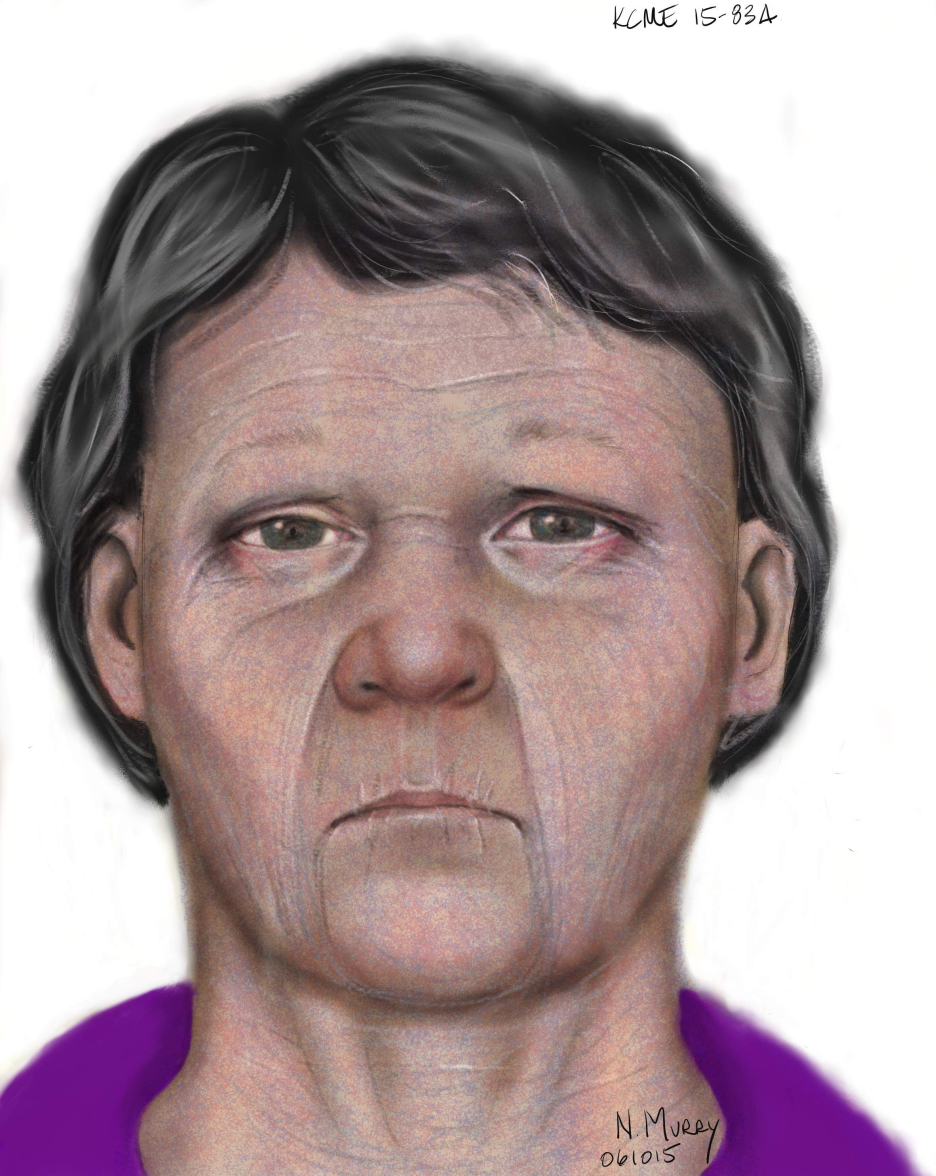
Pamela Sellers was a 26-year-old White/Caucasian female who was last seen in Tacoma, Washington, with the official missing date listed as August 6, 1982; public case information notes that the exact date of last contact is approximate, but the case has long been tied to that summer morning in Pierce County. Her physical description in public missing-person materials is limited, reflecting the painful gaps that often remain in older cases: her hair and eye color are listed as unknown, her height
is reported in a range from about 5 feet to 5 feet 7 inches, and her weight is listed between approximately 110 and 150 pounds. The Tacoma Police Department is identified as the investigating agency, and NamUs lists her case as Missing Person / NamUs #MP27152. Public summaries connected to NamUs state that foul play is suspected.
Court records later placed Pamela’s disappearance in the context of a violent event alleged to have occurred on the morning of August 6, 1982. In State v. Sellers, the Washington Court of Appeals wrote that two witnesses saw a man shoot a woman, that no body was ever found, and that authorities had reason to believe the victim was Pamela Sellers. The court described the shooting as taking place between 9:30 and 10:00 a.m. on the street in front of the home of the mother of Nelson Lee Sellers, Pamela’s husband. According to the appellate opinion, witnesses reported that the gunman placed the victim into her car and drove away. When police arrived, they found Pamela and Nelson’s 8-year-old son, Nelson Jr., wandering among parked cars in the street.
The evidence described in the appellate record deepened the concern for Pamela almost immediately. The woman who was shot reportedly matched Pamela’s description, and one witness said she had seen the victim at the Sellers home before. The court also noted that Nelson Jr. had been expecting his mother to pick him up that morning, and that Mike Morris, the brother of Pamela’s boyfriend, said Pamela was supposed to pick up her son by 10:00 a.m. and had left to do so. Investigators found a large pool of blood in the street and blood in the backseat of Pamela’s car; according to the court, the blood type matched Pamela’s. After that day, Pamela could not be found. Her children did not hear from her again, her boyfriend did not hear from her again, she did not return to work, and police checked area hospitals without locating her.
Although Pamela’s body was not recovered, the criminal case moved forward. Nelson Lee Sellers was convicted of second-degree murder, and the Washington Court of Appeals affirmed the conviction in a decision filed on February 15, 1985, with review denied on May 10, 1985. The appellate court addressed the fact that Pamela’s body had not been found and concluded that the circumstances were sufficient to establish both death and criminal agency through circumstantial evidence. The court emphasized the witness accounts, the blood evidence, Pamela’s sudden and permanent disappearance from her children, her boyfriend, and her job, and the unsuccessful hospital checks.
Pamela’s case remains a stark and sorrowful example of a disappearance in which public records describe both a missing-person investigation and a homicide conviction, while still leaving her loved ones without the recovery of her remains. The known public record begins with a 26-year-old woman in Tacoma who was expected to continue the ordinary responsibilities of her life, including picking up her child, and instead vanished after a violent incident that witnesses said unfolded in the street. It continued through an investigation by Tacoma authorities, blood evidence linked to Pamela, the absence of any later contact with those closest to her, and a conviction upheld by the Washington Court of Appeals. The overview of Pamela Sellers’ case is that she was last seen in Tacoma, Washington, on or about August 6, 1982, foul play has been suspected, Nelson Lee Sellers was convicted of second-degree murder in connection with her death, and Pamela herself has never been recovered, leaving the case marked by both legal resolution in court and an enduring absence for those who knew and loved her.Last Seen: Aug 6, 1982