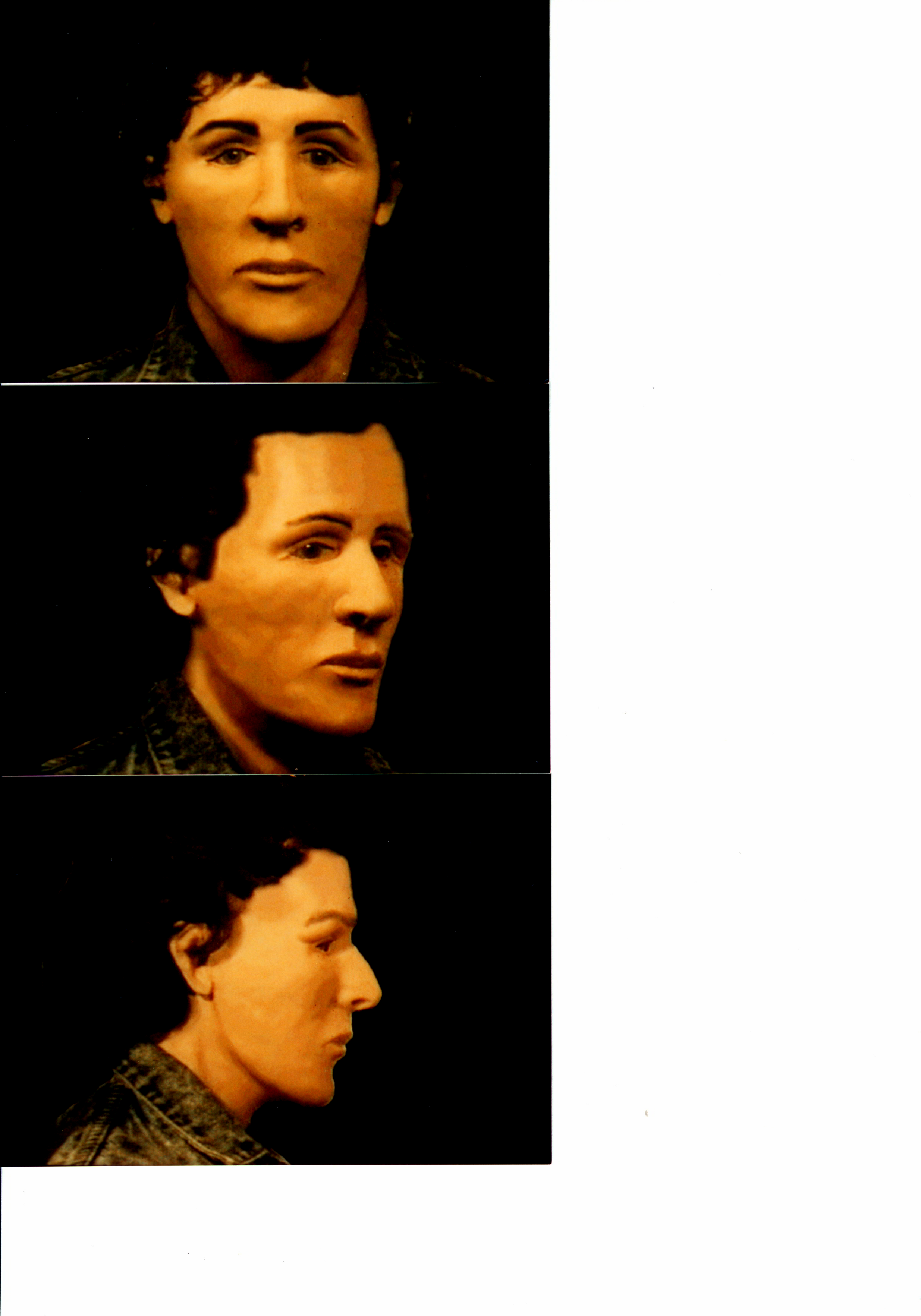
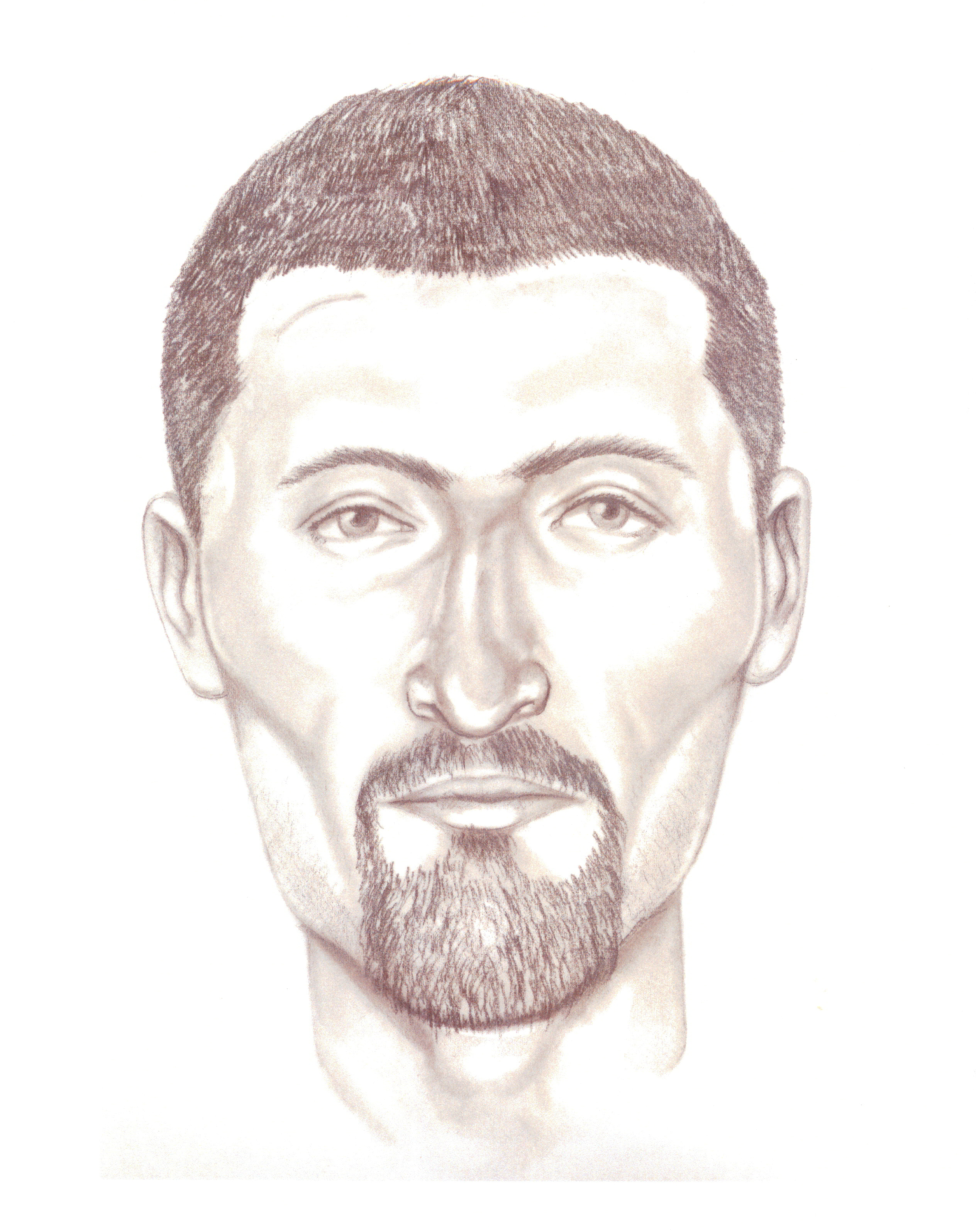
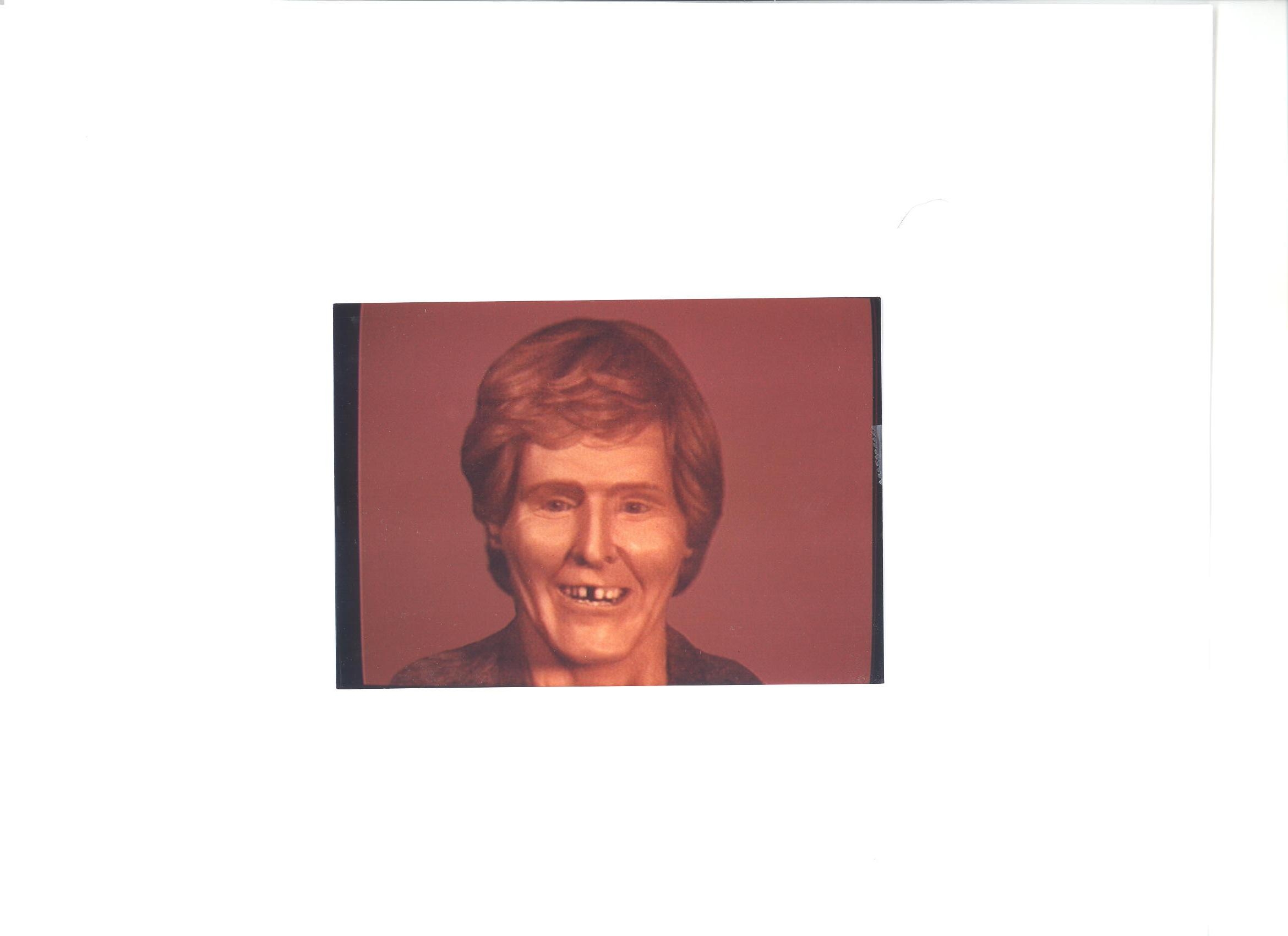
On a cold December day in 1989, a family's life was unalterably changed. In the city of Asheville, North Carolina, 35-year-old Douglas Hugh Presnell was spending the day with his mother. Their Saturday outing on December 2nd concluded with her dropping him off at the local K-Mart. It was understood that he would call her later for a ride home. Douglas, a man with brown hair and hazel eyes, was wearing blue jeans, a blue jacket, and black loafers at the time.
Tragically, that phone call never came, and Douglas Presnell was never seen or heard from again.
The initial report of his disappearance was filed with the Asheville Police Department on December 26, 1989, more than three weeks after he was last seen. This delay in reporting could have significantly hampered the initial investigation, as the crucial first hours and days of a missing person's case are often the most critical for gathering evidence and leads. The circumstances surrounding his disappearance are unsettling in their simplicity; there were no overt signs of foul play, no known disputes, and no indication that he intended to leave. He simply vanished after what should have been a routine shopping trip, leaving his family with a lifetime of unanswered questions and the lingering pain of not knowing what happened to their loved one.
Decades have passed since Douglas Presnell's mother last saw her son. The case has grown cold, a collection of facts in a file that remains open. Despite the passage of time, the hope for resolution endures. The investigation into what happened to Douglas Hugh Presnell remains with the Asheville Police Department. His family has provided DNA samples, a modern tool unavailable at the time of his disappearance, in the hope that it might one day lead to answers. The case serves as a somber reminder of the fragility of life and the enduring mystery that can be left in the wake of a person's unexplained absence. The central facts remain unchanged: a man was dropped off at a department store with the expectation of a phone call to return home, a call that was never made, leading to an absence that has stretched over decades.Last Seen: Dec 2, 1989