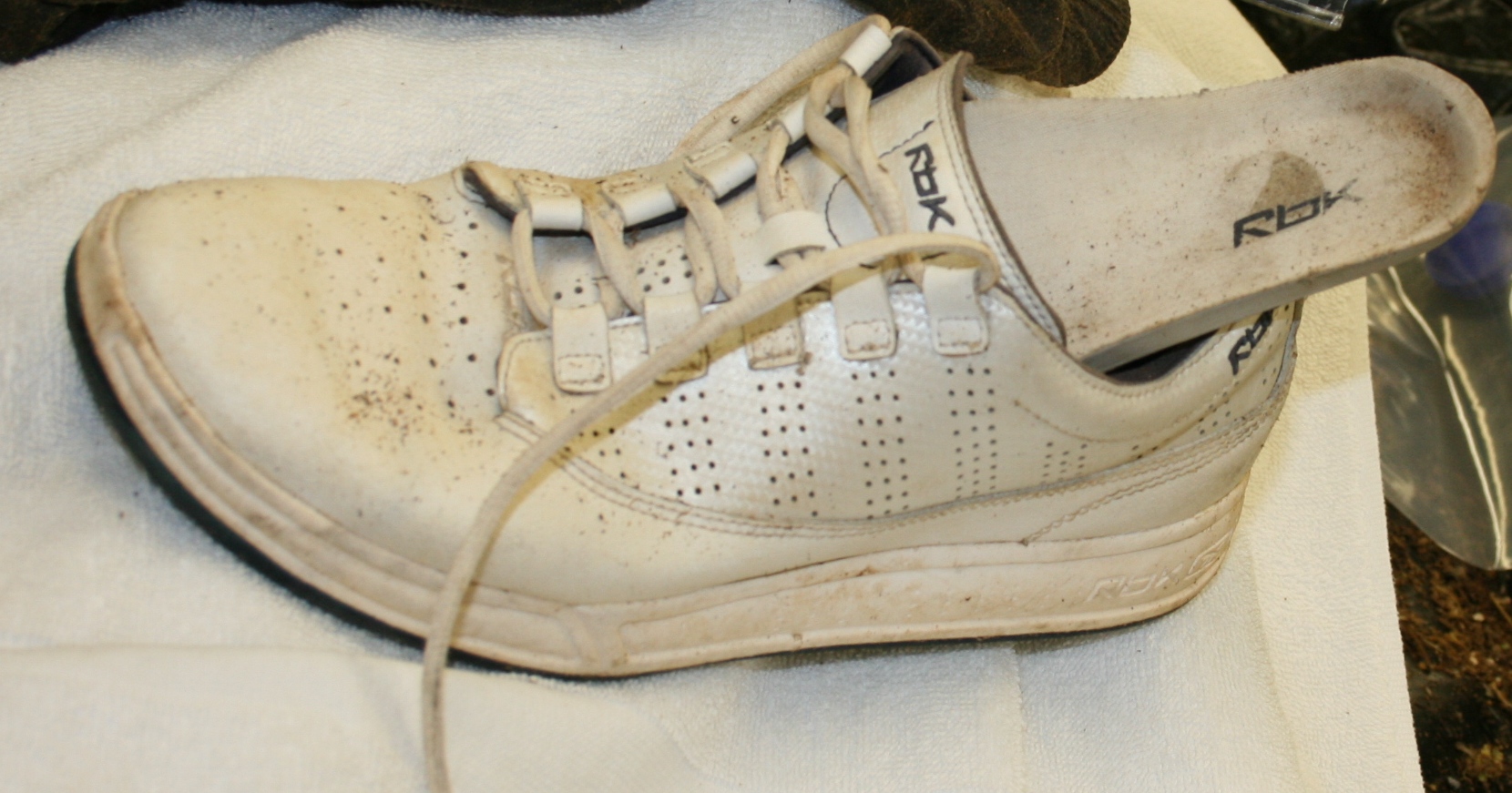
On May 16, 2009, in the remote border community of Lukeville, Arizona, 48-year-old Filiberto Mayo Chavez vanished, leaving behind a life and a family plunged into years of uncertainty. Known affectionately as 'Beto,' he was a male of both Hispanic/Latino and White/Caucasian descent. At the time he was last seen, he stood approximately 5 feet 3 inches tall, with a weight ranging from 180 to 200 pounds.
Filiberto had black or brownish hair worn in a military-style cut and his eyes were a light brown. His last known clothing included a white t-shirt, blue jeans, and a pair of white sneakers that had blue lines. He had a couple of identifying physical characteristics: a light brown birthmark located on his right hip and some damage to his teeth. The circumstances provided for his disappearance state he was in the process of crossing the international border, a perilous journey that adds a layer of deep concern and complexity to his case.
The official investigation into Filiberto's disappearance did not begin until years after he was last seen, when a report was filed with the Maricopa County Sheriff's Office on November 5, 2016. This significant passage of time often creates immense challenges in a missing person's case, as trails grow cold and memories fade. The information available indicates that he went missing from tribal land, although his primary residence was not located there. In a testament to their enduring hope for answers, his daughter provided a DNA sample to aid in the search. This sample has been fully processed and is on file with the University of North Texas Center for Human Identification, ensuring that a comparison can be made if unidentified remains are discovered, a somber but necessary step for families in these situations.
The case of Filiberto Mayo Chavez is a quiet tragedy, a story of a man who disappeared into the vast and unforgiving landscape of the Sonoran Desert. With no new information available for many years, his case remains unresolved, a cold file filled with more questions than answers. The seven-year gap between his last known contact and the official report created a formidable obstacle for law enforcement from the very start. The overview of this case is one of profound and sorrowful ambiguity. A man, last seen on the edge of a border, simply ceased to be in contact with the world, leaving behind only a sparse description and the clothing he wore. For his family, the lack of resolution means a continued state of waiting and wondering what became of Beto.Last Seen: May 16, 2009