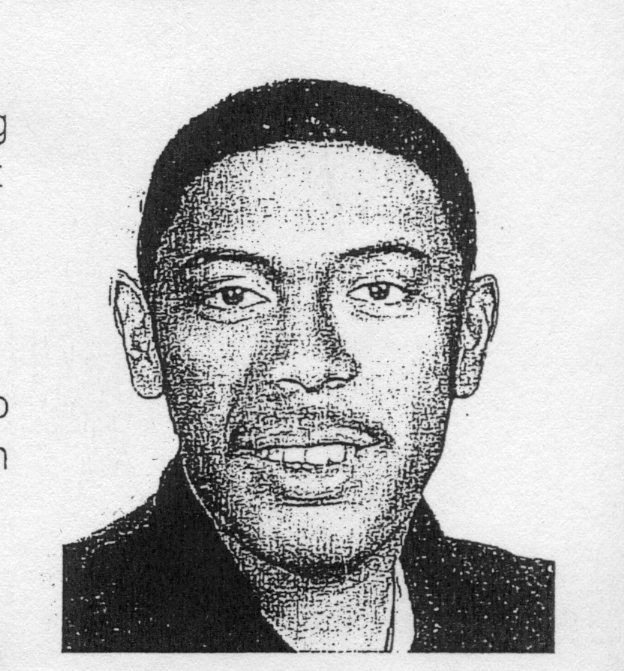
In the late summer of 1987, a young man named Thomas Howard Parish vanished from the central Connecticut area, leaving behind a void of information and a family searching for answers. At the age of 26, Thomas was last seen by his mother around the Labor Day holiday. The specific date of his last contact is documented as August 15, 1987, and the location of his disappearance is thought to be either Durham or Branford, Connecticut.
In the days and weeks that followed, the lack of communication from Thomas grew into a serious concern, eventually leading to him being reported as a missing person. The circumstances surrounding his disappearance remain unclear, with few details available to the public.
Thomas Howard Parish was a man with a distinct appearance. Standing between 5'8' and 5'10' and weighing approximately 160 to 165 pounds, he had a noticeable presence. His hair was a blondish-brown, and he had blue eyes. His appearance was further marked by several distinguishing features, including a chipped front tooth and a small scar that ran through his left eyebrow. He also had numerous scars on his knuckles. Tattoos adorned his arms; a Playboy bunny was on his upper right arm, and a depiction of a tank was on his lower right arm. He was known to bite his nails out of nervousness and often dressed in blue jeans and flannel shirts. At the time of his disappearance, he was also known by the alias David Pardus.
The investigation into Thomas Parish's disappearance has spanned decades, yet his whereabouts remain unknown. The official NamUs case was created on March 31, 2017, nearly thirty years after he was last seen, and the case was reported to the Connecticut State Police on April 4, 1988. The available information paints a picture of a young man who seemingly vanished without a trace, leaving his loved ones to wonder what became of him. The case is an ongoing reminder of the lasting impact of a person's disappearance, not only on their immediate family but on the wider community as well. The lack of resolution in Thomas's case highlights the painful ambiguity that accompanies long-term missing person investigations.Last Seen: Aug 15, 1987