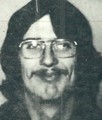
In the vast and unforgiving landscape of Fairbanks, Alaska, the story of Male Edward Irby's disappearance began on April 13, 1997. At 46 years old, he was new to operating a bulldozer at the Fort Knox Mine, having only been in training for a couple of days. On that day, the heavy machinery he was driving went down a steep slope and plunged into a pond at the mine. There were no witnesses to the incident. When he was noticed to be missing from his work area, an alarm was raised.
An underwater search of the bulldozer suggested that he had managed to escape from the enclosed cab, but he was nowhere to be found.
The initial search and rescue efforts were immediate but faced significant challenges. Divers from the Alaska State Troopers were on the scene within hours, but the conditions in the tailings pond were described as appalling, with divers struggling to even locate the bottom through the mud. Despite their efforts, and a continued search by the mine operator, Fairbanks Gold Mining, Inc., throughout the summer, no trace of Edward Irby was ever found. This lack of physical evidence led to a painful and prolonged period of uncertainty for his family, leaving his case unresolved and depriving them of closure.
The years following Edward Irby's disappearance were marked by legal struggles for his family. An initial attempt by his wife to have him legally declared dead in 1997 was unsuccessful due to insufficient evidence. Six years later, his son pursued the matter again, and this time a jury ruled that Irby had died as a result of a workplace accident. This verdict, however, did not bring an end to the family's ordeal. When they sought death benefits, the mining company contested the claim, suggesting that Irby might have faked his own death, though they provided no evidence to support this theory. The case went through a lengthy appeals process, eventually reaching the Supreme Court, which ultimately ordered the company to pay the death benefits to the Irby family. The overview of this case is one of a sudden and tragic workplace incident that became a lasting mystery, compounded by a prolonged legal fight for recognition of the family's loss.Last Seen: Apr 13, 1997