

Why Documentation Matters in Cold Cases: 2026 Guide
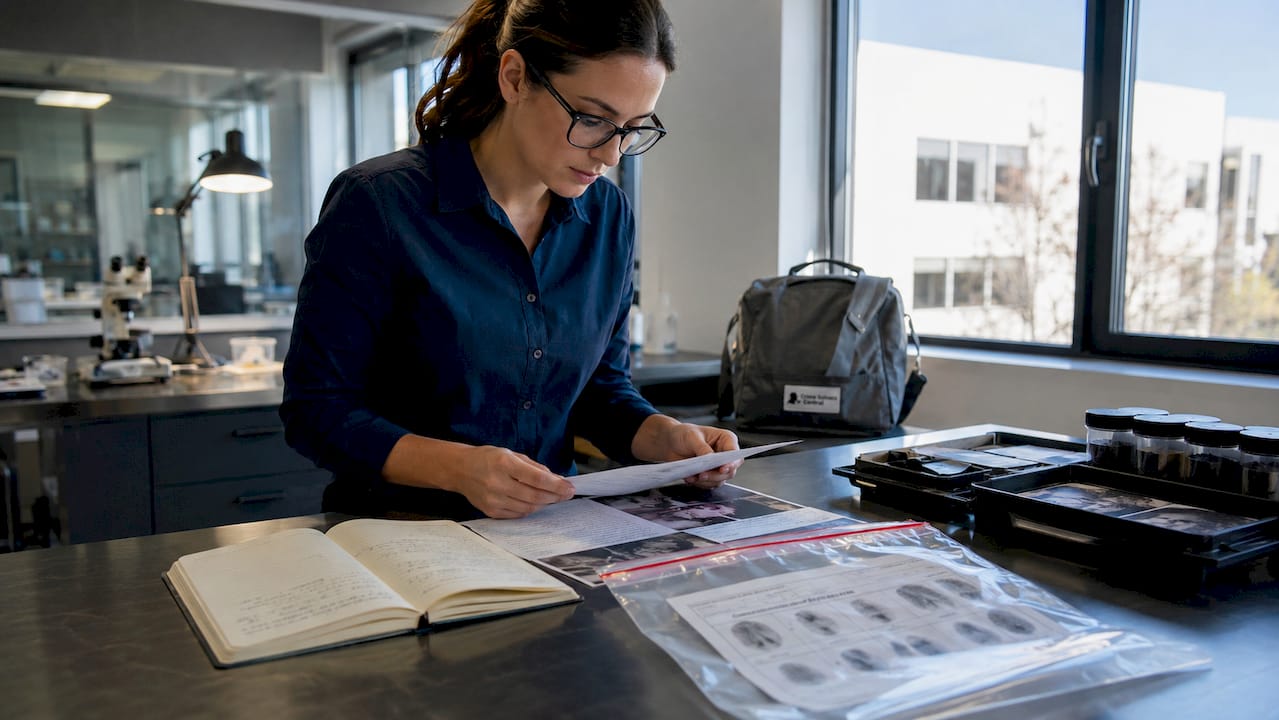
Documentation in cold case investigation is the systematic process of capturing and preserving all evidence details, scene conditions, and investigative notes to maintain integrity and support eventual justice. Without thorough documentation, physical evidence degrades, context disappears, and cases collapse before they ever reach a courtroom. The significance of case notes, photographs, chain of custody records, and digital files cannot be overstated. They are the difference between a case that gets solved decades later and one that stays cold forever. Crimesolverscentral tracks over 264,913 unsolved cases nationally, and the quality of documentation behind each one directly shapes the odds of resolution.
Why documentation matters in cold cases: the core argument
Documentation preserves the original conditions of a crime scene so that investigators, prosecutors, and forensic scientists can reconstruct events accurately years or even decades later. A scene that was properly photographed, diagrammed, and described in 1987 can still yield usable evidence in 2026. One that was not documented thoroughly may be unworkable regardless of how advanced the technology becomes.
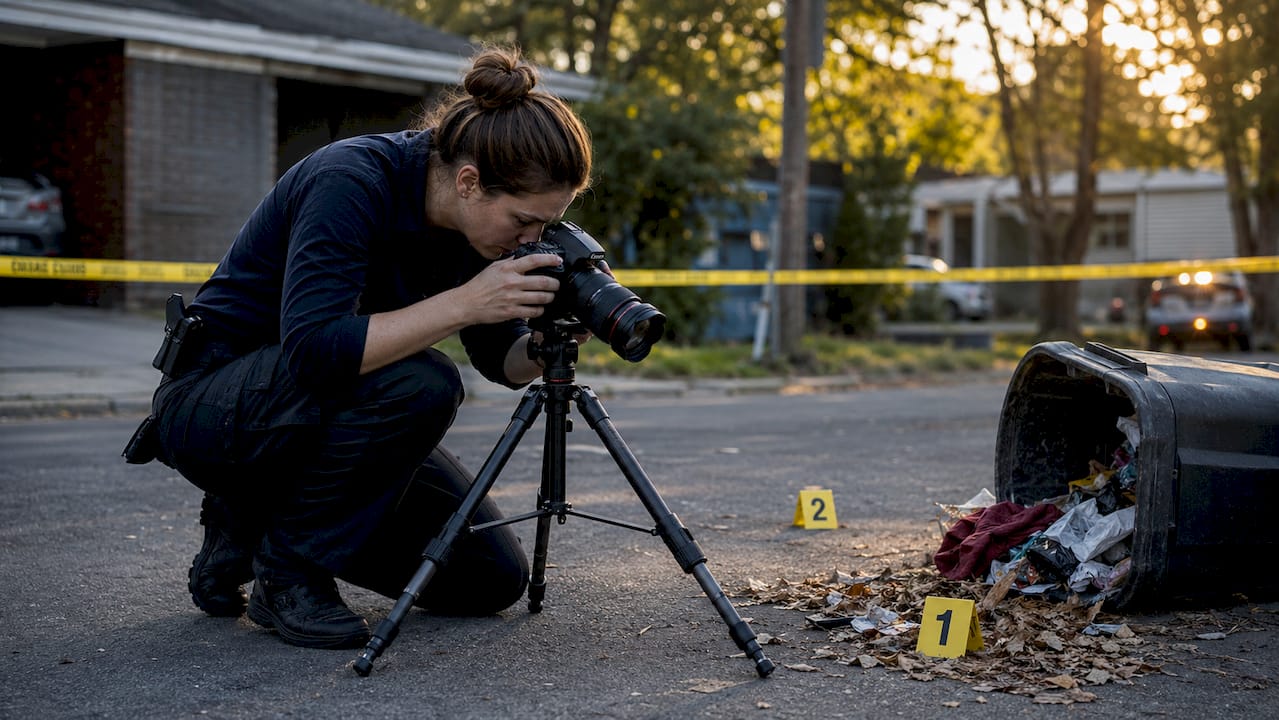
The consequences of poor documentation are concrete and severe. Incomplete crime scene photography and vague investigative notes create visual and contextual gaps that disrupt both analysis and court testimony. Forensic expert John Calvin Gaziano identifies early scene alteration as one of the most damaging errors in cold case work, because it destroys irreplaceable context before it is ever recorded.
Documentation in investigations covers several distinct elements, each serving a specific purpose:
- Scene photographs: Capture spatial relationships, lighting conditions, and physical evidence positions before anything is moved
- Written notes and sketches: Record measurements, observations, and officer interpretations at the moment of discovery
- Evidence labels and logs: Assign unique identifiers to each item so it can be tracked through every stage of handling
- Witness statements: Preserve accounts while memory is fresh and details are most reliable
- Medical examiner reports: Document cause of death, physical findings, and biological samples collected
Each element supports the others. A photograph without a corresponding log entry leaves the item’s origin ambiguous. A witness statement without a date and officer signature becomes difficult to authenticate in court.
Pro Tip: Always photograph evidence before and after it is moved or collected. The “before” image establishes original position; the “after” image confirms what was taken. Both are required for a complete record.
How does chain of custody protect cold case evidence?
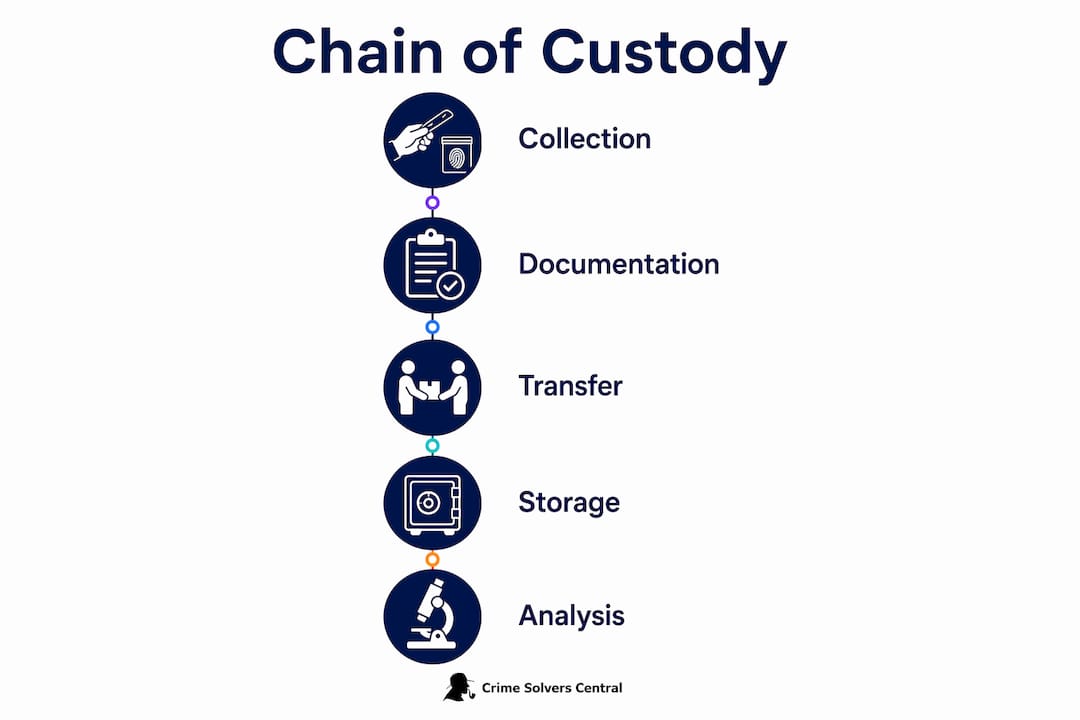
Chain of custody is an unbroken, signed timeline documenting every person who collected, handled, stored, or analyzed a piece of evidence. Any gap in that chain can cause a court to exclude the evidence entirely, even if it is scientifically valid and directly links a suspect to the crime. Missing signatures or timestamps have invalidated decades-old evidence in real prosecutions.
The stakes are especially high for biological samples. DNA degrades under poor storage conditions, and temperature fluctuations can render a sample unusable. Accreditation standards like those set by CALEA require agencies to treat cold case evidence as live evidence, with unalterable digital tracking and strict environmental controls documented at every stage.
A CALEA audit in Florida demonstrated exactly what proper documentation standards can recover. Auditors discovered 24 forgotten rape kits, including two from 1982 and 1983, that had been sitting untracked for decades. Once documented and submitted for DNA analysis, those kits led to prosecutions. The cases existed. The evidence existed. Only the documentation had failed them.
| Forensic standard | What it requires | Impact on cold cases |
|---|---|---|
| Chain of custody log | Signed record of every evidence transfer | Prevents exclusion of evidence in court |
| Temperature and storage controls | Documented environmental conditions for biological samples | Preserves DNA viability over decades |
| CALEA accreditation | Treats cold case evidence as active, with digital tracking | Recovers forgotten or mislabeled evidence |
| Evidence labeling protocol | Unique identifiers on every item from collection onward | Enables accurate retrieval and cross-referencing |
Pro Tip: When reviewing a cold case file, check whether every evidence transfer has a corresponding signature and date. A single undocumented handoff is enough for a defense attorney to challenge the entire exhibit.
How does technology depend on original documentation?
Modern breakthroughs in cold case investigation, from AI analysis to genetic genealogy, all depend on one thing: properly documented and digitized legacy evidence. Technology does not replace documentation. It requires documentation to function.
Digital Evidence Management Systems (DEMS) are the infrastructure that allows AI tools to process cold case files. Without digitized, indexed, and authenticated records, AI cannot generate valid leads. Digital evidence experts confirm that AI processes evidence faster but only after it has been ingested into a secure system with a verified chain of custody.
Digitizing analog records is not simply scanning old files. The process requires:
- Assign hash values to each digital file at the point of creation. A hash value is a unique numerical fingerprint that proves the file has not been altered since it was digitized.
- Maintain a digitization log that records who converted the file, when, and on what equipment. This log becomes part of the chain of custody.
- Index every item with consistent metadata, including case number, evidence type, collection date, and original officer. Inconsistent indexing makes AI search tools unreliable.
- Store files in a secure, access-controlled system with audit trails showing who viewed or modified each record.
The Bone Lake Jane Doe case illustrates what this process makes possible. The victim was identified in 2026 using advanced DNA testing and genetic genealogy, but only because the original DNA sample had been collected, documented, and stored correctly years earlier. The technology solved the case. The documentation made the technology possible.
Indiana State Police demonstrated the same principle at scale. After increasing forensic lab funding from $15 million to $18 million in 2026, the state achieved a 50% increase in DNA processing and a 19% reduction in cold case backlogs. Better documentation systems and lab infrastructure worked together to produce those results. Neither alone would have been sufficient.
How can families and researchers use documentation to support cold cases?
Families, researchers, and advocates are not passive observers in cold case investigations. Documentation gives them real tools to push cases forward, identify investigative gaps, and hold agencies accountable.
The most direct tool is the Freedom of Information Act (FOIA). Every U.S. state has open records laws that apply to police departments, prosecutors, and medical examiners. Families can request case files, evidence logs, and investigative reports. Some information may be withheld to protect active investigations, but the request itself creates a paper trail and signals to agencies that the case has active public interest.
Understanding what good documentation looks like also helps advocates recognize when it is missing. A case file with no evidence log, no chain of custody signatures, or no scene photographs from the original investigation is a case with documented gaps. Those gaps are grounds for requesting a formal review or cold case audit.
Practical steps for advocates and families include:
- File FOIA requests for all investigative records, evidence logs, and autopsy reports related to the case
- Request a case status review from the assigned agency, citing any documentation gaps identified in the file
- Connect with nonprofit organizations that specialize in cold case advocacy and can assist with records requests and audit referrals
- Support forensic lab funding initiatives at the state level, since lab capacity directly affects how quickly documented evidence gets processed
- Use platforms like Crimesolverscentral to cross-reference case details against the national database and identify patterns across similar unsolved cases
Law enforcement leaders working the 2026 Roxanne Sharp case confirmed that original documentation was what made re-investigation and witness re-interviews possible decades after the initial crime. Without those original records, investigators would have had no foundation to build on.
Key Takeaways
Thorough documentation is the single most critical factor in whether a cold case can be investigated, prosecuted, or solved using modern forensic technology.
| Point | Details |
|---|---|
| Documentation preserves scene integrity | Photographs, notes, and evidence logs capture conditions that cannot be reconstructed later. |
| Chain of custody is non-negotiable | A single missing signature can exclude valid evidence and collapse a prosecution. |
| Technology requires documented evidence | AI and DNA tools only work when legacy evidence has been digitized with verified chain of custody. |
| Families can act on documentation gaps | FOIA requests and case audits give advocates concrete tools to push stalled investigations forward. |
| Accreditation standards recover lost evidence | CALEA audits have uncovered forgotten rape kits and led directly to prosecutions. |
Documentation is the foundation, not the footnote
After years of working with cold case files, one pattern stands out above everything else: the cases that get solved are almost always the ones where someone, years or decades ago, did the documentation right. Not perfectly. Just right enough to preserve the chain, label the evidence, and keep the photographs.
The cases that stay cold often have a different story. A box of unlabeled items. A file with no chain of custody signatures. Scene photos that were never taken or were lost in a records transfer. Those gaps are not just procedural failures. They are the reason families wait decades without answers.
What strikes me most about the 2026 advances in genetic genealogy and AI-assisted analysis is that they are not magic. They are multipliers. They take what was documented and make it work harder. The Bone Lake Jane Doe identification was a technology story, yes. But it was also a documentation story. Someone collected that DNA sample correctly. Someone stored it properly. Someone maintained the record. That person, whoever they were, made the 2026 identification possible.
For families and advocates, understanding how documentation shapes investigations is not just academic. It tells you where to look when a case stalls, what questions to ask, and where the leverage points are. Documentation is not the end of the story. It is what makes the story possible to tell.
— Crime
Crimesolverscentral and the cold case database
Crimesolverscentral maintains a national cold case database covering over 264,913 unsolved cases, organized by state and case type. Each entry reflects the documentation available for that case, making it a practical research tool for families, advocates, and investigators looking to identify patterns or verify case details. Well-documented cases in the database carry stronger potential for resolution because they give researchers and law enforcement a complete record to work from. Families can also connect with community resources, amplify overlooked victims, and support ongoing advocacy efforts through the platform. If you are working on a cold case, the database is a concrete starting point.
FAQ
Why does documentation matter so much in cold cases?
Documentation preserves crime scene conditions, evidence details, and chain of custody records that investigators need to reopen and prosecute cases years later. Without it, even valid physical evidence can be excluded from court.
What is chain of custody and why does it matter?
Chain of custody is a signed, timestamped record of every person who handled a piece of evidence. Any gap in that record can allow a defense attorney to challenge the evidence’s integrity and have it excluded at trial.
How can families access cold case documentation?
Families can file FOIA requests or state open records requests with police departments, prosecutors, and medical examiners. Every U.S. state has public records laws that apply to investigative agencies, though some details may be withheld to protect active investigations.
Can AI solve cold cases without proper documentation?
No. Digital evidence experts confirm that AI tools require evidence to be digitized, indexed, and ingested into a secure management system before they can generate leads. Documentation is the prerequisite, not the alternative.
What happens when documentation is incomplete?
Incomplete documentation leads to lost context, weaker court cases, and evidence that cannot be authenticated. A CALEA audit in Florida found 24 forgotten rape kits that had gone untracked for decades, illustrating how documentation failures leave solvable cases unresolved.