

What Does Unidentified Remains Mean? A Clear Guide
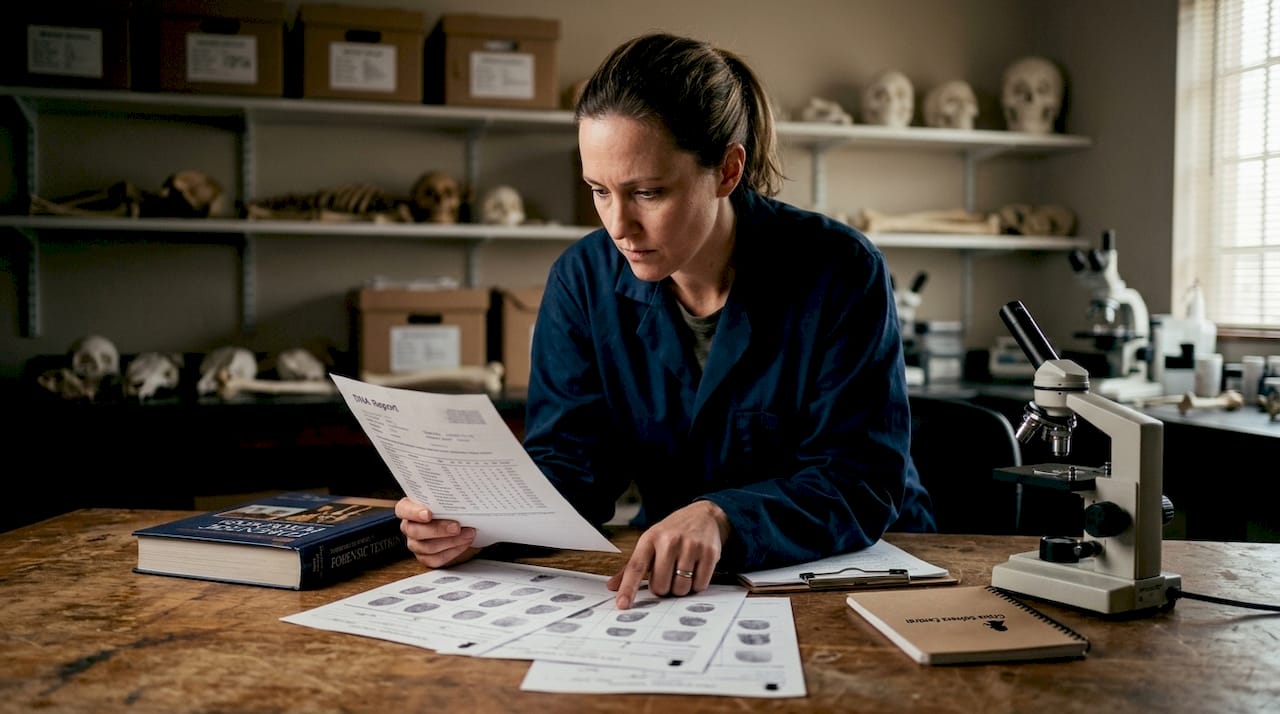
Unidentified human remains are defined as bodies whose identity is unknown at the time they are processed by investigators, requiring forensic work to establish who the person was. The National Institute of Justice confirms this definition, distinguishing it from the separate category of unclaimed remains. Forensic specialists use DNA analysis, fingerprint comparison, and dental record matching to work toward identification. For families of missing persons and criminology students alike, understanding what does unidentified remains mean is the first step toward grasping how the justice system handles these cases and why the process matters.
What does “unidentified remains” mean in forensic terms?
Unidentified human remains is the formal term used in forensic science and law enforcement to describe a body whose identity has not been confirmed. The term is strictly about unknown identity at the time of investigation, regardless of the cause of death or how the body was found. A person who died in a car accident and whose name is unknown to investigators qualifies as unidentified remains just as much as a homicide victim does.
The unidentified human remains definition draws a clear line between two situations that people often confuse. A body is “unidentified” when investigators cannot determine who the person was. A body is “unclaimed” when the identity is known but no family member or next of kin has come forward to claim it. These are legally and procedurally different situations, and the distinction matters enormously for families searching for loved ones.
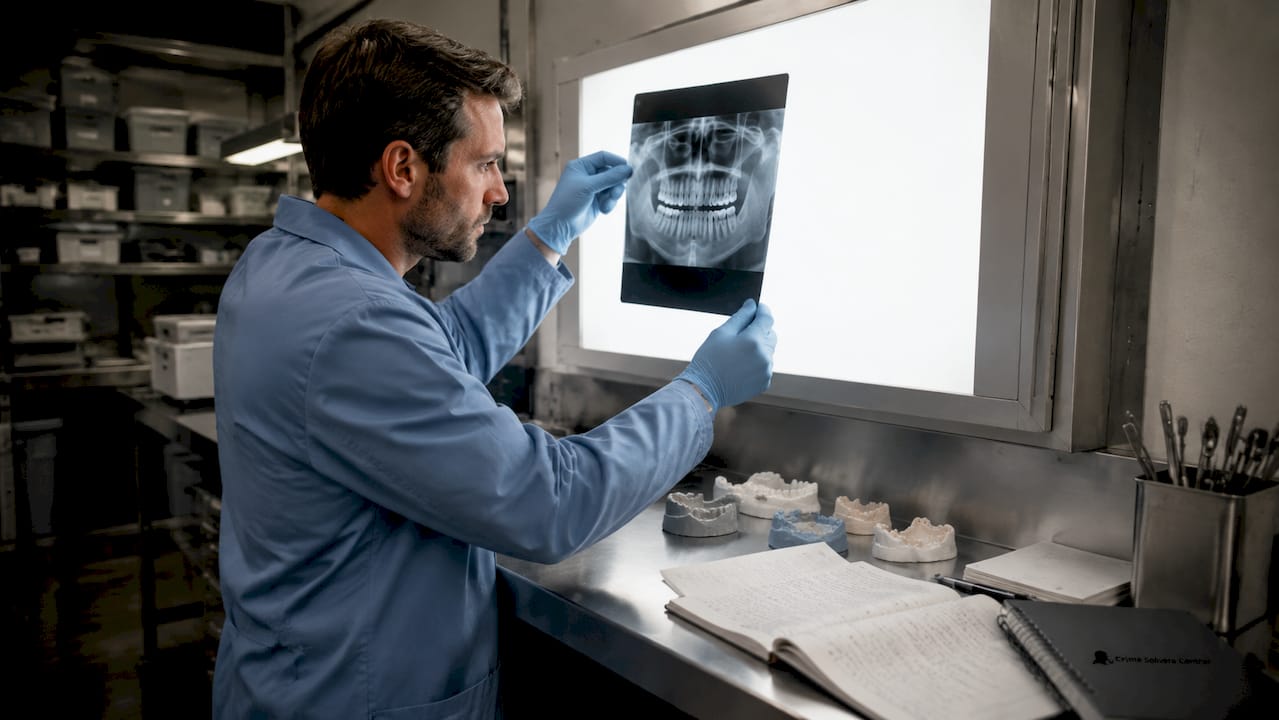
Forensic identification is not a single test. Primary identifiers such as DNA profiles, fingerprints, and dental records are the gold standard. Secondary indicators like tattoos, clothing, jewelry, or physical descriptors provide supporting evidence. Investigators use all available data to build a profile that can be matched against missing persons records.
How are unidentified remains processed and investigated?
When law enforcement or a medical examiner receives unidentified remains, a structured forensic workflow begins immediately. The goal is to collect every possible identifier before the evidence degrades. Here is how that process typically unfolds:
- Scene documentation and recovery. Investigators photograph, map, and carefully collect the remains along with any associated items such as clothing or personal effects.
- Biological profile construction. Forensic pathologists and anthropologists determine biological sex, estimated age, stature, and ancestry from skeletal or physical evidence. This two-step identification process produces investigative identifiers first, then verifies them against ante-mortem data from missing persons records.
- Primary identifier collection. DNA samples, fingerprints, and dental X-rays are collected and submitted to national databases including CODIS (the FBI’s Combined DNA Index System) and AFIS (Automated Fingerprint Identification System).
- Database entry and retention. Coroners and medical examiners enter all collected data into systems designed for long-term retention. This step is critical because a match may not occur for years or even decades.
- Cross-referencing with missing persons reports. Investigators compare forensic profiles against active missing persons cases. Matching unidentified remains with missing persons reports through national databases accelerates identification and supports justice outcomes.
Pro Tip: If you are a family member who submitted a DNA reference sample years ago and received no match, resubmit. New profiles are added to CODIS regularly, and advances in forensic genealogy have resolved cases where remains were recovered decades earlier, as demonstrated when genealogy identified skeletal remains found in 1990.
What is the difference between unidentified and unclaimed remains?
These two terms describe fundamentally different situations, and mixing them up can send families down the wrong investigative path.
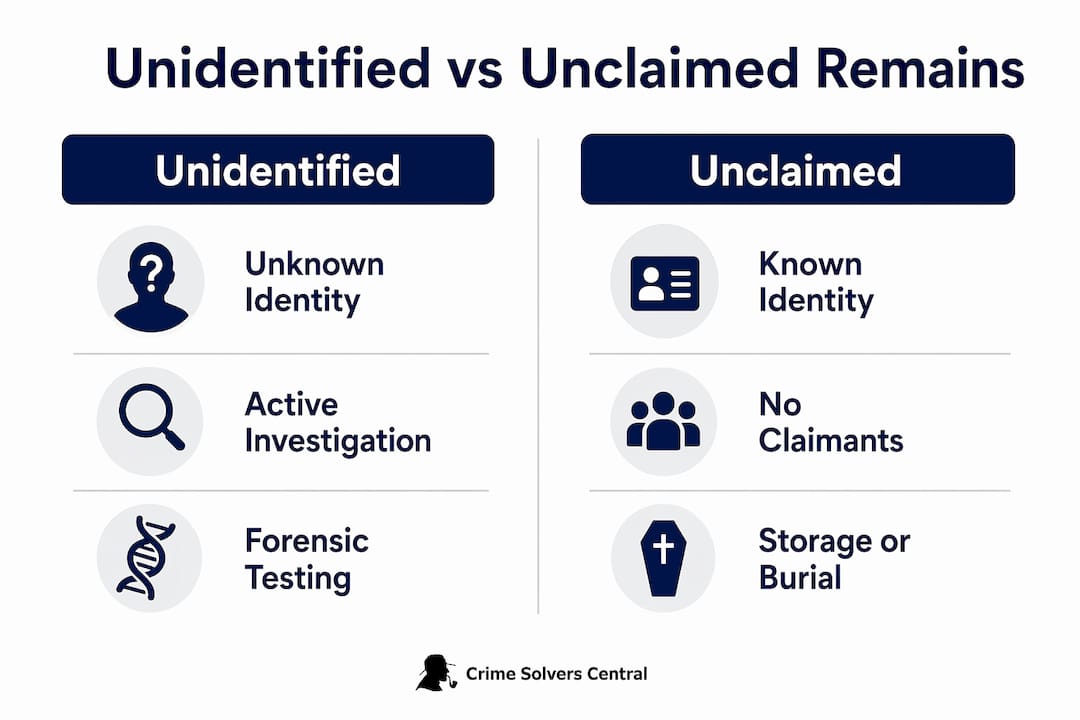
Unidentified remains require active forensic investigation. The person’s name, background, and connections are all unknown. Investigators must build an identity from physical and biological evidence. The process can take months, years, or longer.
Unclaimed remains involve a known identity. The person’s name is on record, but no family member, friend, or legal representative has come forward to arrange disposition. Legal definitions confirm that unclaimed means known but not claimed, while unidentified means the identity itself must be established through investigative work.
The table below summarizes the key differences:
| Category | Definition | Primary Procedure | Key Implication |
|---|---|---|---|
| Unidentified remains | Identity is unknown at time of processing | Forensic investigation, database matching | Requires active identification effort |
| Unclaimed remains | Identity is known, no claimant present | Legal notification, disposition process | No forensic identification needed |
| Status change | Can shift from unidentified to unclaimed | Identification resolves unknown status | Family notification becomes possible |
Pro Tip: If you are searching for a missing family member, ask the medical examiner’s office specifically whether any unidentified remains in their jurisdiction match your loved one’s profile. Do not assume that because no unclaimed body matches, there is no unidentified case to investigate.
How does interpol support unidentified remains identification?
Identification does not stop at national borders. When remains are found without identity in one country and the person may have originated elsewhere, international cooperation becomes necessary.
- Interpol Black Notices are the primary tool for cross-border cases. Black Notices are global alerts circulated to law enforcement and forensic specialists worldwide, requesting assistance in identifying unidentified human remains. They include physical descriptions, forensic data, and photographs where available.
- Disaster Victim Identification (DVI) teams deploy internationally after mass casualty events such as plane crashes, tsunamis, or terrorist attacks. These teams follow standardized protocols for collecting and comparing ante-mortem and post-mortem data across multiple countries simultaneously.
- Human trafficking investigations frequently involve unidentified remains found far from the victim’s country of origin. Cross-border forensic collaboration between agencies like Interpol, Europol, and national law enforcement agencies increases the chance that a profile submitted in one country matches a missing persons report filed in another.
- International data sharing through platforms like Interpol’s I-24/7 secure communications network allows forensic profiles to reach investigators in member countries within hours. This speed matters because the significance of unidentified corpses often extends beyond the jurisdiction where they were found.
The practical impact of this system is real. A body recovered in Western Europe with no local missing persons match may correspond to a report filed in South America or Southeast Asia. Without international alerts, that connection would never be made.
What are the implications of unidentified remains for families and justice?
The meaning of unidentified bodies extends far beyond forensic procedure. The human and legal consequences are profound.
- Families face prolonged uncertainty. Without a confirmed identity, families cannot obtain a death certificate, settle estates, or access grief support tied to legal confirmation of death. The emotional burden on families dealing with unknown identities is severe and often lasts for years.
- Cold cases depend on retained data. Forensic data entered into databases today may solve a case ten or twenty years from now. Cases demonstrate that repeated submissions and new forensic technologies have enabled identification of remains recovered long ago, proving that data retention is not bureaucratic routine but a genuine lifeline.
- Criminal investigations stall without identity. Prosecutors cannot charge a suspect in a homicide if the victim has no confirmed identity. Establishing who the person was is often the first step toward determining how and why they died, and toward holding someone accountable.
- Nonprofit and community resources fill gaps. Organizations and platforms that maintain national missing persons databases help connect families with investigative resources that government agencies alone cannot always provide.
The forensic and legal systems are built to handle these cases, but they work best when families, investigators, and community organizations all contribute information. A tip from a family member, a DNA reference sample, or a detail about a tattoo can be the piece that closes a case.
Key takeaways
Unidentified remains require forensic identification before any legal or investigative process can move forward, making data retention and database matching the most critical tools available.
| Point | Details |
|---|---|
| Core definition | Unidentified remains are bodies whose identity is unknown at the time of forensic processing. |
| Unidentified vs. unclaimed | Unidentified means no known identity; unclaimed means identity is known but no claimant exists. |
| Primary identifiers | DNA, fingerprints, and dental records are the gold standard for confirming identity. |
| Data retention matters | Forensic profiles entered today can produce a match years or decades later through database advances. |
| International cooperation | Interpol Black Notices extend identification efforts across borders for cross-jurisdiction cases. |
Why this work is more urgent than most people realize
I have spent years working alongside cold case investigators and families who are still waiting for answers. The one thing that surprises most people outside this field is how often identification is possible, just delayed. The science exists. The databases exist. What fails is the pipeline: reference samples never submitted, cases never entered into national systems, or families who gave up after one negative result.
Forensic genealogy changed the equation significantly. The 1990 skeletal remains case is not an outlier. It is a preview of what systematic data retention and new analytical methods can accomplish. Every unidentified case that gets properly documented and entered into a database is a case that could be solved in 2030 or 2040, even if it cannot be solved today.
The other thing I want families to understand is that the distinction between unidentified and unclaimed is not semantic. It determines which office you call, which database you check, and which legal process applies. Getting that wrong costs time that families cannot afford to lose.
Public awareness drives submissions. When communities understand what unidentified remains mean and why the process matters, more people submit DNA reference samples, more tips reach investigators, and more cases close. That is not optimism. That is the documented pattern from every jurisdiction that has invested in public education alongside forensic infrastructure.
— Crime
Search the cold case database for unidentified remains
Crimesolverscentral maintains a national cold case database covering over 264,913 cases organized by state, including missing persons and unidentified remains cases. Families searching for a loved one can search by state and situation type to find cases that may match. Criminology students and researchers can use the same resource to study real case patterns and investigative outcomes. Crimesolverscentral also supports community involvement through membership and health and safety initiatives, giving anyone the ability to contribute to active investigations. If you are searching for answers, the database is the most direct place to start.
FAQ
What does unidentified remains mean in law enforcement?
Unidentified remains are human bodies whose identity is unknown at the time investigators process them, as defined by the National Institute of Justice. The status requires active forensic investigation using DNA, fingerprints, and dental records to establish who the person was.
How long can remains stay unidentified?
Remains can stay unidentified indefinitely if no matching data exists in forensic databases. Advances in forensic genealogy have resolved cases where remains were recovered decades earlier, so no case is permanently closed.
What happens to unidentified remains if no match is found?
If no match is found, the remains are typically held by the medical examiner’s office and the forensic profile is retained in national databases for future comparison. Disposition varies by jurisdiction, but data is preserved to allow future identification attempts.
Are unidentified remains the same as a john doe or jane doe?
Yes. “John Doe” and “Jane Doe” are the placeholder names law enforcement assigns to unidentified male and female remains, respectively. The formal forensic and legal term is unidentified human remains.
How can families help identify unidentified remains?
Families can submit DNA reference samples to the National Missing and Unidentified Persons System (NamUs), provide dental records and photographs to investigators, and report detailed physical descriptions including tattoos and distinguishing marks. Checking state-level databases through platforms like Crimesolverscentral also helps connect missing persons reports with unidentified cases.