

How to Leverage National Database Cold Cases

National databases are the single most powerful tool available for solving cold cases, giving investigators, families, and volunteers access to DNA profiles, biometric records, and genealogical data that can crack cases decades old. To leverage national database cold cases effectively, you need to understand which systems exist, how they connect, and where ordinary citizens fit into the process. Platforms like CODIS, the FBI’s Next Generation Identification system (NGI), and forensic genetic genealogy tools have transformed what was once a dead end into a solvable puzzle. This guide walks you through every layer of that process.
What are the major national databases for cold case investigations?
Three core systems form the backbone of cold case database work in the United States: CODIS, NGI, and forensic genetic genealogy platforms.
CODIS (Combined DNA Index System) is the FBI’s national DNA database, holding profiles from convicted offenders, arrestees, and forensic evidence collected at crime scenes. It works by matching DNA profiles directly. If a suspect’s DNA is already in the system, CODIS can return a hit. If not, the search stops there.
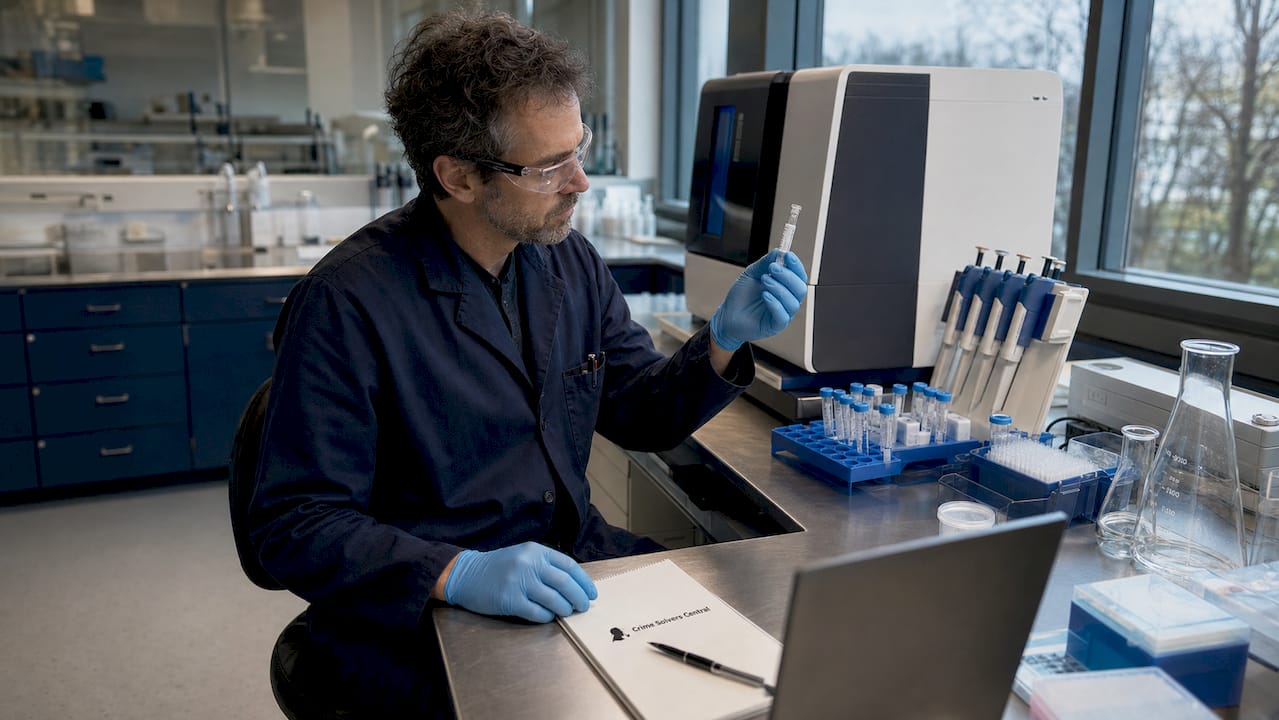
NGI (Next Generation Identification) goes further. NGI is the FBI’s large biometric database containing fingerprints, facial images, and iris scans used alongside CODIS for cold case investigations. NGI’s facial recognition component, called NGI-IPS, extracts unique facial features and compares them against millions of mugshots to generate investigative leads. That capability matters enormously when a case has no DNA but does have a photograph or surveillance image.
Forensic genetic genealogy fills the gap when neither CODIS nor NGI produces a match. Platforms like GEDmatch allow investigators to upload a DNA profile and search for relatives, sometimes as distant as third or fourth cousins. Forensic genetic genealogy has solved over 1,300 cold cases since 2018 by building family trees from those distant matches and narrowing down to a suspect. That number represents real families who finally got answers.
| Database | Primary Data Type | Best Use Case | Public Access |
|---|---|---|---|
| CODIS | DNA profiles | Direct offender match | Law enforcement only |
| NGI | Fingerprints, facial images, iris scans | Biometric identification | Law enforcement only |
| GEDmatch | Consumer DNA genealogy data | Relative matching for unknown suspects | Opt-in public upload |
| STRmix | DNA mixture analysis | Complex or degraded samples | Forensic labs |
STRmix software enables extraction of usable profiles from low-contributor material and mixed DNA samples. That means evidence once considered too degraded to test can now yield a workable profile.
How can families and volunteers engage with national cold case resources?
Families and volunteers cannot access CODIS or NGI directly. Those systems are restricted to law enforcement. However, there are real, meaningful ways to contribute to cold case investigations without direct database access.
The most effective path is working through established nonprofits and advocacy organizations. Groups like the DNA Doe Project specialize in forensic genetic genealogy for unidentified remains. The National Center for Missing and Exploited Children (NCMEC) maintains its own databases and connects families with investigators. Organizations like these serve as the bridge between public energy and formal investigative channels.
Here is how families and volunteers can engage practically:
- Submit DNA to genealogy databases. Uploading your DNA to GEDmatch (with the appropriate consent settings) can help investigators find relatives of unidentified victims or unknown suspects.
- Assist with public records research. Volunteers with research skills can help compile historical records, newspaper archives, and court documents that support active investigations.
- Generate tips through community outreach. True-crime podcasts and crowdsourcing have opened previously reluctant cold case leads by encouraging witnesses to come forward. Public attention creates pressure and surfaces new information.
- Advocate for funding. Florida allocated $600,000 for a partnership with Othram to apply genealogy technology to approximately 21,000 unsolved murders. Citizen advocacy helped make that funding possible.
Privacy and legal boundaries matter here. Never attempt to collect DNA from a suspect yourself. Never contact a potential suspect directly. All findings should go through law enforcement or a licensed nonprofit. Learn more about crowdsourcing tips effectively before you start.
Pro Tip: When contacting investigators or nonprofits, write a one-page case summary that includes the victim’s name, case number, jurisdiction, and any evidence already collected. Organized communication gets faster responses and shows you are a serious contributor.
Step-by-step: how genetic genealogy solves cold cases
Understanding the full investigation process helps families ask better questions and helps volunteers know where their contributions fit. Here is how a forensic genetic genealogy investigation actually works.
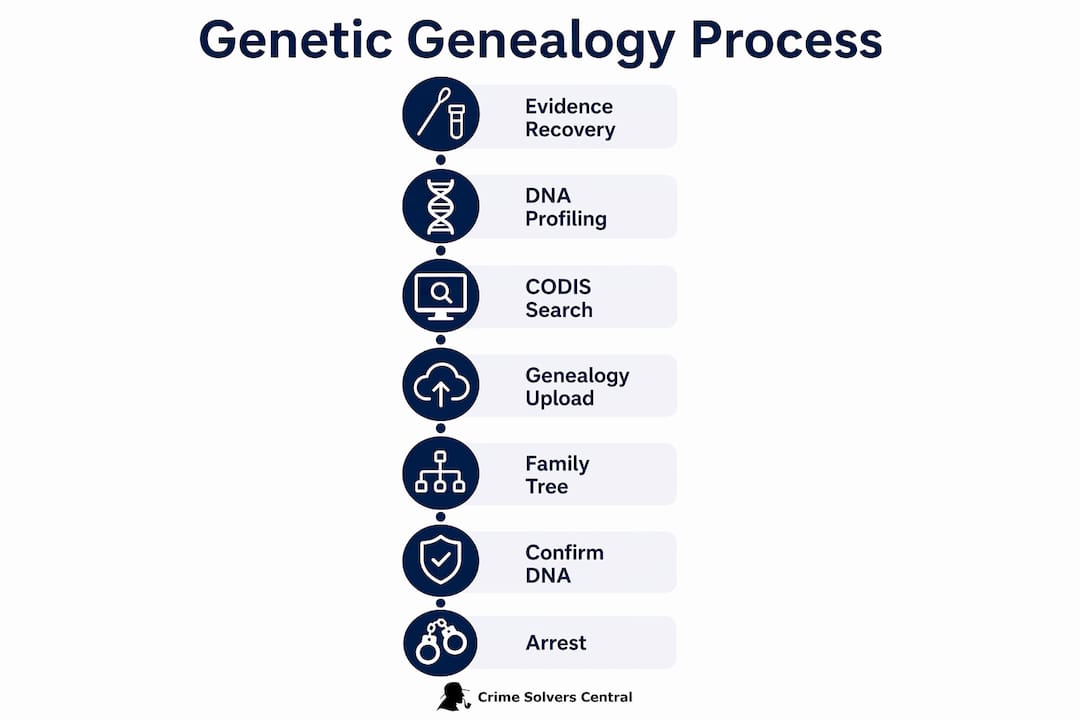
Step 1: Evidence recovery and retesting. Investigators locate biological evidence from the original case, including blood, hair roots, or touch DNA from objects. Technology breakthroughs now allow solving cold cases that were previously considered hopeless because modern retesting can extract profiles from samples that older methods could not process.
Step 2: DNA profile generation. A forensic lab processes the sample and generates a DNA profile. If the sample is complex or degraded, software like STRmix separates individual contributors from a mixture. This step is critical and often where old cases stall without updated lab resources.
Step 3: CODIS search. The profile is submitted to CODIS for a direct offender match. CODIS requires a direct DNA match, while forensic genetic genealogy can generate leads from degraded, small, or mixed samples with no direct match in offender databases. If CODIS returns nothing, the investigation moves to genealogy.
Step 4: Genealogy database upload. The profile is uploaded to GEDmatch or a similar platform. Investigators search for DNA relatives and begin building a family tree from the closest matches outward.
Step 5: Family tree construction and suspect narrowing. Genealogists trace family lines, cross-referencing public records, obituaries, census data, and social media. The goal is to identify individuals who fit the geographic and demographic profile of the suspect. Indiana State Police’s forensic investigative genetic genealogy team uses exactly this blended approach, combining field detective work with genealogy research to close decades-old cases.
Step 6: Confirmatory DNA collection. Once a suspect is identified, investigators collect a confirmatory DNA sample. When no prior database record exists, investigators sometimes use the “gum ruse,” a method where DNA from discarded chewing gum is collected discreetly to confirm a match without alerting the individual.
Step 7: Arrest and prosecution. Confirmed DNA match plus corroborating evidence leads to arrest. Digital forensics, including analysis of a suspect’s search history, often supplements the DNA case at trial.
Pro Tip: Families pushing for case reexamination should request in writing that the agency submit existing evidence for retesting using current technology. Cite specific advances like STRmix or forensic genetic genealogy by name. Agencies respond more concretely to informed, specific requests.
What are the common challenges in cold case database work?
Working with national databases is not a guaranteed path to resolution. Several real obstacles slow or block progress, and knowing them helps you set realistic expectations.
Incomplete records and opt-outs. GEDmatch allows users to opt out of law enforcement searches. That limits the pool of searchable profiles. CODIS only contains profiles from individuals who have been arrested or convicted, so a suspect with no criminal record will not appear.
Degraded and mixed DNA samples. Old evidence frequently yields low-quality DNA. Even with STRmix, some samples cannot produce a usable profile. Contamination during original evidence collection compounds the problem.
Interagency collaboration gaps. Cold cases often span multiple jurisdictions. Agencies may not share information freely, and database access protocols differ by state. A blended investigative approach combining field detective work with forensic genetic genealogy achieves the highest clearance rates, but it requires agencies to cooperate actively.
Suspects who monitor cases. Some suspects monitor public case databases and use digital forensics awareness to evade detection. This is why investigators combine DNA evidence with digital forensics rather than relying on a single method.
Troubleshooting tips for families and advocates:
- Request a formal case status review every 12 months in writing.
- Ask whether existing evidence has been submitted for modern retesting.
- Contact a nonprofit like the DNA Doe Project if the agency lacks genealogy resources.
- Use public records research to supplement official investigation efforts.
- Document every communication with investigators, including dates and names.
Key takeaways
Solving cold cases through national databases requires combining CODIS, NGI, forensic genetic genealogy, and community engagement into one coordinated effort.
| Point | Details |
|---|---|
| Know which database fits your case | CODIS matches offenders directly; GEDmatch and genealogy tools work when no direct match exists. |
| Volunteers contribute through nonprofits | Organizations like the DNA Doe Project connect public energy to formal investigative channels legally. |
| Modern retesting changes outcomes | STRmix and forensic genetic genealogy have solved over 1,300 cases since 2018 that older methods could not. |
| Blended methods outperform single tools | Combining DNA genealogy with field detective work and digital forensics produces the highest clearance rates. |
| Persistence and documentation matter | Families who submit formal written requests for retesting and case reviews move cases forward faster. |
What i’ve learned watching technology reshape cold case justice
I have watched the cold case field transform in ways that would have seemed impossible a decade ago. The shift is not just technical. It is cultural. Families who were told “we’ve done everything we can” are now walking into investigators’ offices with printed genealogy reports and specific retesting requests, and cases are moving.
The part that strikes me most is how much the community piece matters. Technology opens the door, but it is the persistent aunt who keeps calling, the volunteer genealogist who donates 200 hours, and the true-crime listener who finally calls the tip line that actually pushes cases through. Volunteer and retired law enforcement personnel play key roles by offering fresh perspectives and assisting in evidence reexamination. That is not a feel-good footnote. It is a documented pattern.
My honest concern is that families sometimes expect databases to work like a search engine: type in a name, get an answer. The reality is slower and more collaborative. Ethical practice matters too. Genealogy databases contain the DNA of people who never consented to be part of a criminal investigation. That tension deserves respect, not dismissal. The goal is justice, and the path there requires both urgency and care.
Stay informed. Stay organized. And do not let anyone tell you a case is too old to solve. The evidence often just needed better tools.
— Crime
How Crimesolverscentral helps you access cold case databases
Crimesolverscentral maintains a national cold case database covering over 264,913 cases, organized by state and situation, so families, volunteers, and justice advocates can find and track specific cases without navigating fragmented agency records. The platform also offers guides on engaging with investigators, contributing to health and safety initiatives, and connecting with community members who have successfully used its resources to advance investigations. Whether you are searching for a missing person or supporting an unsolved homicide case, Crimesolverscentral gives you a structured starting point. Explore the cold case database by state and find out how you can contribute today.
FAQ
What is CODIS and how does it help cold cases?
CODIS is the FBI’s national DNA database that stores profiles from convicted offenders and crime scene evidence. It solves cold cases by matching crime scene DNA directly to a known offender profile.
Can families access national cold case databases directly?
Families cannot access CODIS or NGI directly, as both are restricted to law enforcement. However, families can contribute by uploading DNA to GEDmatch and working with nonprofits like the DNA Doe Project.
How many cold cases has forensic genetic genealogy solved?
Forensic genetic genealogy has solved over 1,300 cold cases since 2018 by identifying suspects through relatives as distant as third or fourth cousins.
What should i do if an agency says a cold case cannot be solved?
Request in writing that existing biological evidence be submitted for modern retesting using tools like STRmix or forensic genetic genealogy. Agencies that lack these resources can partner with organizations like Othram or the DNA Doe Project.
How does crowdsourcing support cold case investigations?
True-crime podcasts and public outreach have generated new witness tips in cases that sat dormant for decades. Crowdsourcing complements formal database searches by surfacing information that no database can hold.