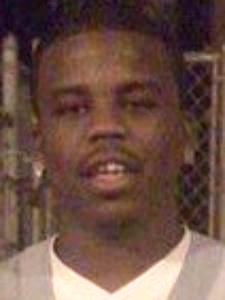
Darryl M. Peterson, a 24-year-old resident of Chicago, Illinois, tragically lost his life on June 16, 2007. The incident was one of many homicides that contributed to a year of heightened violence across the city, especially affecting young residents. Darryl's death was part of a broader pattern of violence that year, with a significant number of homicides occurring in neighborhoods with ongoing issues related to crime, poverty, and gang activity.
Peterson was fatally shot, a form of violence that was sadly common in Chicago during this period. Gun violence disproportionately affected young African-American males, and Peterson's death reflects the persistent struggles that many Chicago communities were experiencing. He was killed in the Englewood neighborhood, an area known for high rates of violent crime. Englewood, along with several other neighborhoods, had been grappling with significant issues tied to socioeconomic factors and limited access to resources. The homicide rates in these areas were indicative of deep-rooted challenges such as gang conflicts and a lack of opportunities for youth.
The circumstances of Peterson’s death were reflective of a city struggling with increasing violence. Chicago’s homicide rate during 2007 reached alarming levels, and cases like Peterson's underscored the urgency for addressing systemic issues related to public safety and policing. The tragedy left a significant impact on his family and the local community, who mourned the loss of another young life to senseless violence. His death is recorded among the many homicides that continue to remind the city of its challenges and the need for enduring reform in community safety and support structures.
Efforts by the Chicago police to address the epidemic of violence had mixed results, as many cases remained unsolved or saw delayed justice. This trend was evident in several similar incidents during the year, where victims often received limited public attention despite the growing toll of gun violence on Chicago's neighborhoods.