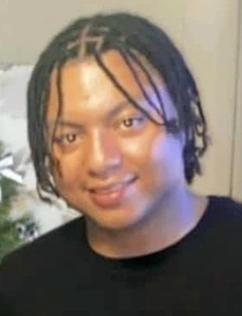
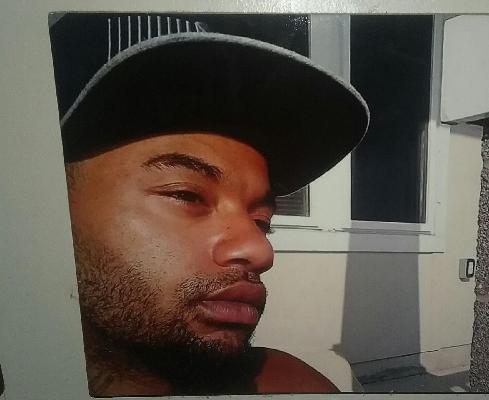
On a tragic Tuesday morning, August 11, 2015, the life of 28-year-old Keon Butler of Bridgeton, New Jersey, was abruptly cut short. Butler, a Black male, was driving a minivan near the intersection of North Laurel and Myrtle streets in his hometown when the unthinkable happened. A vehicle that had been pursuing him pulled alongside, and a single, fatal gunshot wound to the head ended his life, leaving a community in shock and a family to mourn their sudden and violent loss.
The investigation into Butler's death moved forward, and in October of 2015, a significant breakthrough occurred with the arrest of Raheem Jacobs, also a resident of Bridgeton. The case against Jacobs was built on the premise that he had pursued Butler with the intent to do him harm, culminating in the fatal shooting.
As the legal proceedings unfolded, a darker and more complex narrative began to emerge, suggesting a deeper motive behind the killing.
In a stunning development, a Cumberland County grand jury indicted Jacobs not only for the murder of Keon Butler but also for the September 2015 murder of another man, Jeron King. It was alleged that King was targeted and killed because he possessed information regarding Butler's murder, a chilling testament to the lengths the suspect would go to conceal his crimes. The two cases, now intertwined, painted a grim picture of violence and retribution on the streets of Bridgeton.
After a two-and-a-half-week trial, the legal saga reached its conclusion in May 2022. A Cumberland County jury found Raheem Jacobs guilty of reckless manslaughter in connection with the death of Keon Butler. The verdict, while not a murder conviction, held Jacobs accountable for the senseless act of violence that had taken a young man's life. He was subsequently sentenced to a potential extended term of up to 20 years in prison, with a stipulation that he must serve 17 years before becoming eligible for parole, bringing a measure of closure to a case that had haunted the community for years.