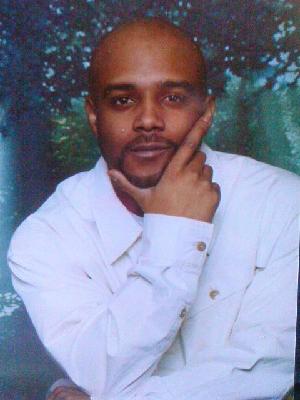
On May 2, 2009, John Jones, aged 50, was shot and killed in Chicago, adding to the growing number of homicides that year. The incident occurred during a period of heightened violence in the city, where numerous neighborhoods were grappling with frequent shootings and a pervasive sense of insecurity. This particular year saw an alarming number of violent crimes in Chicago, driven by both gang conflicts and other community disputes, leading to a high rate of unsolved cases and escalating public concern.
John Jones's death reflected the broader trend of violence in Chicago, which was struggling to manage a surge in homicides in 2009. Many areas of the city, especially neighborhoods with systemic poverty and long-standing social issues, were experiencing a troubling rise in criminal activity. Community members often found themselves caught in the crossfire of gang rivalries, which left law enforcement with significant challenges in managing both the number of incidents and the complexity of many of the cases.
The homicide rate that year further stressed already strained resources in the police department, as the volume of cases made thorough investigations difficult. With witness cooperation often limited due to fear of retaliation, many of these incidents, including John Jones's death, faced substantial barriers in bringing perpetrators to justice. This reflected the challenges Chicago faced in addressing the root causes of its violence, ranging from economic disparities to insufficient community engagement and support initiatives.