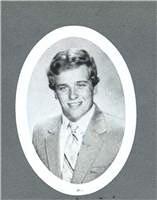
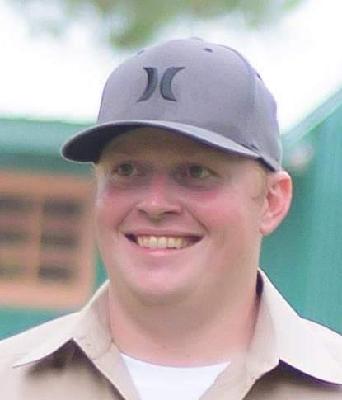
Allison Douglas “Doug” Arp was a 55-year-old White / Caucasian male from the rural community of Bentley in Atoka County, Oklahoma, known as a longtime resident who made his living as a welder. Born in San Antonio, Texas, in October 1962, he had settled into small-town life in southeastern Oklahoma, graduating from Caney High School and building a trade in welding that tied him to farms, work sites, and neighbors who relied on his skills.
Away from work, he was remembered as an outdoorsman who enjoyed hunting and fishing, as well as trapping, playing guitar, and preaching, the kinds of pursuits that fit the woods and back roads around Bentley. His family circle included his adult son, Wyatt Arp, who lived with him at their home outside Atoka, and relatives and friends in the nearby communities of Atoka, Bennington, and Muskogee who would later be listed among his survivors.
On the evening of November 30, 2017, authorities were called to the house on South Bentley Road, an address in the countryside just outside Atoka. The Atoka County Sheriff’s Office requested assistance from the Oklahoma State Bureau of Investigation after a report of a shooting at 522 South Bentley Road, where deputies and OSBI agents found Douglas inside the residence, mortally wounded by a rifle shot to the chest. The first account of what had happened came from Wyatt, who both called 911 and spoke to investigators at the scene. In the emergency call, he told the dispatcher that his father had been shot and insisted it was an accident, saying the gun had fallen and discharged. He explained that a. 22-caliber rifle had been leaning against the wall; when he slammed a door, he said, the rifle fell, struck something, and fired a single round that struck his father in the chest and killed him almost instantly.
Investigators began treating the scene carefully, documenting the position of the rifle, the trajectory of the bullet, and other physical evidence while the medical examiner’s office took custody of Douglas’s body. As the forensic work progressed, officials later said that medical findings suggested the rifle had been almost directly in front of Douglas when it fired, rather than on the ground where Wyatt had claimed it was when the gun discharged. In the days immediately after the shooting, local news outlets reported the case as an incident under investigation, noting that authorities were trying to determine whether the death was a tragic accident or something more deliberate.
By Monday morning, December 4, 2017, OSBI agents sought Wyatt out again for a more detailed interview. According to court documents summarized by regional news reports, Wyatt’s story shifted during that follow-up questioning. He now described a day marked by conflict: he said an argument began after Douglas unplugged an electrical cord supplying power to Wyatt’s nearby mobile home, an action that escalated tensions between father and son. Wyatt told investigators he left to calm down but later returned to the house. When he came back, he said, his father would not let him in through the door, forcing him to crawl into the home through a window. Inside, he said he picked up a rifle, saw that it was loaded, and tried to move it into what he believed would be a safe position; his thumb allegedly slipped, and the gun fired, sending the fatal round into his father’s chest.
OSBI agents weighed this revised account against the medical examiner’s opinions and the physical evidence from the scene. That same Monday morning, an OSBI special agent intercepted Wyatt outside an Atoka County hospital, questioned him further, and then placed him under arrest on a complaint of first-degree murder in connection with his father’s death. He was booked into the Atoka County Jail, where records and news reports noted that he was already on probation for a prior assault on his father, a history that added weight to investigators’ concerns about ongoing conflict in the home. The AP and Oklahoma television outlets reported that Wyatt’s explanation—that he had dropped the rifle and that an accidental discharge killed Douglas—remained his assertion even as he faced the murder complaint.
Publicly available accounts of the case focus on the arrest and the early stages of the legal process, with no widely reported follow-up detailing a trial, plea, or ultimate verdict. The homicide, however, remains documented in gun-violence memorials and unsolved-case databases as a death by gunshot inside a family home, tied to a fraught relationship between father and son and to a night when a rifle in a small Oklahoma house turned a working welder’s rural life into a matter for homicide investigators and the courts.