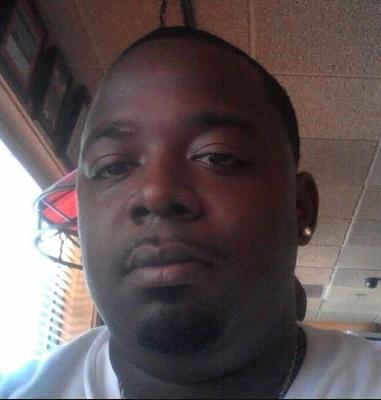
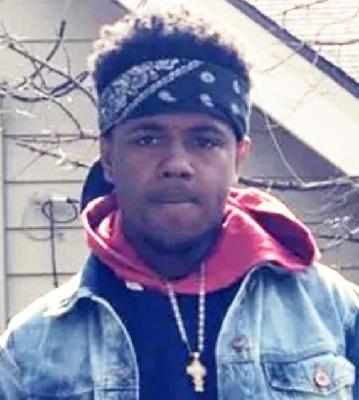
On the evening of April 21, 2014, Willie Shankle, a 34-year-old Black/African American male, was inside a Milwaukee apartment near 42nd and Villard with his friend, 32-year-old Darius Parker, and his girlfriend, Leslie McCloud. The night took a tragic turn when a visitor, a young man McCloud had never seen before, arrived at the residence. The purpose of his visit appeared to be the sale of a handgun, which Shankle was interested in purchasing.
The weapon was passed around the room for inspection.
The transaction soured into a violent robbery when the seller, later identified as 18-year-old Richard W. Littlejohn Jr., retrieved the. 22-caliber handgun under the pretense of checking the safety. Instead of securing it, he disengaged the safety and fired multiple shots into Shankle. As chaos erupted, Darius Parker fled to a back bedroom, but Littlejohn followed him and shot him numerous times as well. After the shootings, Littlejohn stole money from Shankle's pocket and fled the apartment. By the time police arrived around 8 p.m. in response to reports of gunfire, both Shankle and Parker had succumbed to their injuries and were pronounced dead at the scene.
The initial investigation left police without a motive or a suspect in custody. However, the case broke in August 2014 when charges were filed. Richard W. Littlejohn Jr. was charged with two counts of first-degree intentional homicide. An accomplice, 60-year-old Kenneth Lyle Wright, was charged with harboring and aiding a felon. Wright admitted to investigators that he had given Littlejohn a ride that day and that Littlejohn had expressed his intention to commit a robbery. Wright also stated that he drove Littlejohn away from the scene after the murders.
During the trial, Leslie McCloud identified Littlejohn in a lineup and in court as the man who had shot her boyfriend and his friend. Kenneth Wright also testified against Littlejohn. Despite alibi witnesses presented by the defense, a jury found Richard W. Littlejohn Jr. guilty on both counts of first-degree intentional homicide. He was subsequently sentenced to life in prison, with the possibility of extended supervision after serving fifty years.