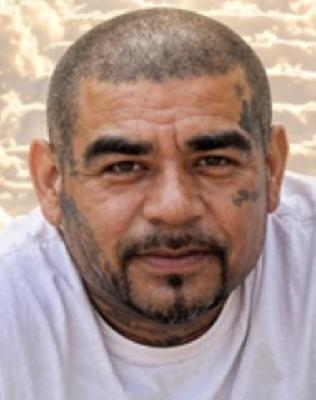
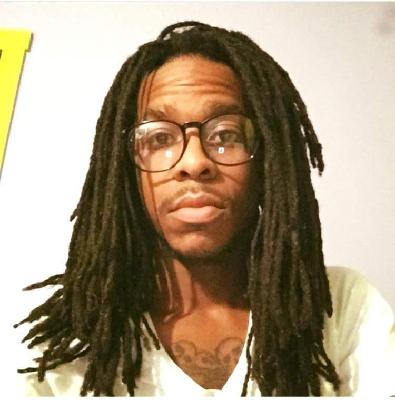
On November 11, 2011, Gorge Gandara, age 35, was tragically shot and killed in Chicago, Illinois. His death occurred during a year that saw a significant level of violent crime across the city, with a total of 433 homicides recorded. This represented a minor decrease from the previous year, but the murder rate remained concerningly high, particularly in neighborhoods experiencing heightened gang activity and socio-economic stress.
The data from 2011 revealed that homicides were unevenly distributed across different parts of Chicago, with some neighborhoods bearing a disproportionate burden of the city's violence. According to reports, gang-related violence contributed significantly to these statistics. Gandara's death reflects a broader trend where gun violence was the primary cause of death in the majority of homicides, echoing the ongoing issues faced by law enforcement in addressing armed crime.
Chicago's complex landscape of gang territories and the struggle for control within these neighborhoods further exacerbated the violence.
The homicide that claimed Gandara's life was part of a larger pattern observed during 2011, a year when Chicago continued to grapple with the effects of escalating violence driven by both gang conflicts and economic hardship. Despite efforts from law enforcement and community interventions, the number of lives lost to violent crime remained a pressing issue. The Chicago Police Department's analysis of homicides in that year highlighted the need for continued focus on mitigating the factors leading to such violence, including better policing strategies and community support initiatives.
This case, like many others, adds to the tragic narrative of lives lost too soon in the face of ongoing systemic challenges. It underscored the importance of coordinated community efforts, law enforcement, and policy measures aimed at reducing the cycle of violence that has historically plagued many areas of Chicago.