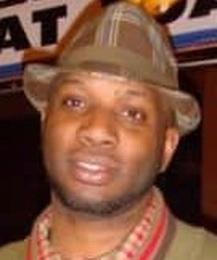
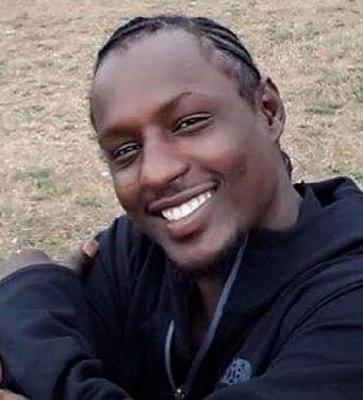
Dwone Anderson-Young, a 23-year-old from Seattle, WA, was tragically killed on June 1, 2014. Anderson-Young, along with his friend Ahmed Said, was found shot to death outside Anderson-Young's home in Seattle's Leschi neighborhood. The two had spent the evening at R Place, a gay bar on Capitol Hill, before returning to Anderson-Young's residence. The investigation revealed that the suspect, Ali Muhammad Brown, had targeted Said and Anderson-Young using a cell phone app commonly used by gay men
to meet others.
Ali Muhammad Brown, a self-proclaimed jihadist, admitted to the murders of Anderson-Young and Said, as well as another man in Skyway, during a crime spree inspired by his anger towards U.S. foreign policy in the Middle East. Brown described himself as a strict Muslim who was infuriated by the deaths of innocent civilians and children in Iraq, Iran, and Afghanistan. He was eventually apprehended in New Jersey, where he was also implicated in an armed robbery. Brown's actions were part of what he claimed to be a jihad-inspired mission, and he was charged with multiple counts of murder and terrorism.
The case against Brown was significant not only because of the brutal nature of the crimes but also due to the implications of targeting individuals based on their sexual orientation. The murders highlighted the ongoing dangers faced by the LGBTQ+ community, even in seemingly safe environments. Brown's trial and subsequent conviction brought some measure of justice to the families of the victims, though the pain of their loss remains.
Brown's admission of guilt during jury selection in New Jersey marked a pivotal moment in the case. He confessed to the killings, citing his motivations rooted in extremist beliefs and a desire for vengeance against the U.S. government. This case underscored the intersection of hate crimes and terrorism, raising awareness about the vulnerabilities of marginalized communities and the far-reaching impacts of radicalization.