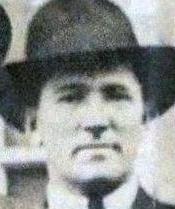
In the turbulent spring of 1941, against the backdrop of the long and violent struggle for unionization in the coal mines of Harlan County, Kentucky, a 35-year-old man named Oscar Goodin, who was White, found himself on the front lines of a bitter dispute. As a picket for the Congress of Industrial Organizations he was one of many miners striving for better wages and working conditions in a region that had come to be known as 'Bloody Harlan' due to its history of labor-related violence.
On April 2, 1941, the conflict escalated into a deadly confrontation at the Crummies Creek Coal Company. Oscar Goodin, along with fellow union men Virgil Hampton, Charles Ruth, and Ed Tye, were shot and killed in what was described as one of the most savage battles in the county's history. The confrontation was part of a nationwide strike, and tensions were exceptionally high. Accounts from the time suggest a chaotic scene, with one union official alleging that a machine gun was turned on the miners as they entered a company store. Another version of the events claimed that the shooting began after union pickets entered the store and an altercation ensued with non-union workers.
The aftermath of the shooting left a cloud of uncertainty and conflicting reports regarding who was responsible. One account from a United Mine Workers of America organizer identified a man named Bill Lewis, described as a 'gun thug,' as the individual who murdered Goodin and the other three miners, and that Lewis himself was killed about four months later. A different narrative emerged from the Crummies Creek Coal Company, which contended that a company bookkeeper was responsible for most, if not all, of the gunfire, claiming he acted in self-defense with an automatic rifle and two pistols. In the end, no one was convicted in a court of law for their involvement in the violent events of that day, leaving the deaths of Oscar Goodin and his fellow miners as another unresolved chapter in the violent history of the Harlan County coal wars.