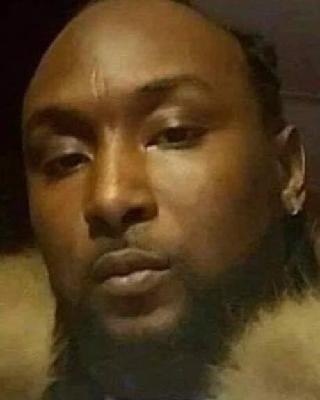
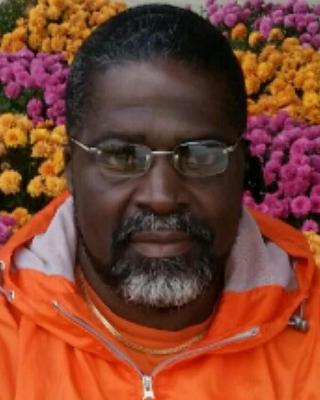
On August 6, 2014, the life of 18-year-old Jeremiah Mcgee was tragically cut short in Chicago, Illinois. An African-American young man standing at the threshold of adulthood, Jeremiah became one of the hundreds of homicide victims in the city that year, his future extinguished and his loved ones left with a grief compounded by unanswered questions. Public records confirm his death, but the specific details of his life and the circumstances of his killing remain locked away, part of a painful silence that too often follows such violence.
Without an obituary or public remembrances from family, a full picture of Jeremiah is difficult to piece together. It is unknown what his passions were, whether he was a student or working, what his dreams for the future might have been, or how his friends and family remember his personality and spirit. His life is represented by a name, an age, and a date—a stark and incomplete summary for a young man who had lived for 18 years, forming relationships and making his way in the world. His loss is a profound personal tragedy for those who knew and loved him, a circle of mourners whose pain has remained private.
The events of August 6, 2014, are not detailed in public police reports or news articles. The exact time and location of the incident, what led to the fatal encounter, and whether there were any witnesses have not been shared with the public. It is unknown if Jeremiah was targeted or if he was the victim of a random act of violence. He died in a city that was in the midst of a violent summer, where such tragedies were tragically frequent. In 2014 alone, Chicago recorded over 400 homicides, a statistic that represents hundreds of individual stories of loss and communities shattered by violence.
The investigation into Jeremiah Mcgee’s homicide would have been handled by the Chicago Police Department. Detectives are tasked with canvassing neighborhoods for witnesses, searching for surveillance footage, and analyzing forensic evidence. However, in a city with a high volume of violent crime, these investigations face immense challenges. Distrust between communities and law enforcement can create a wall of silence, making it difficult for detectives to gather the information needed to make an arrest. The sheer number of cases can also strain departmental resources, leaving many investigations to grow cold over time.
For the family of Jeremiah Mcgee, the years that have passed since his death have brought no publicly announced arrests or charges. They have been left to navigate a world without him, while the person or people responsible for his death have evaded justice. This lack of resolution leaves a wound that cannot fully heal, as the hope for accountability wars with the pain of an unresolved loss. Vigils, memorials, or fundraisers that might have taken place were not publicly reported, leaving the community’s response to his death unknown.
As of today, the homicide of Jeremiah Mcgee remains an open and unsolved case. More than a decade has passed, but the fundamental questions persist: Who killed Jeremiah Mcgee, and why? His case is a somber reminder of the many young lives lost to violence in Chicago and of the families who continue to wait for answers and for justice. The passage of time does not diminish the need for a resolution, and the hope remains that someone with information will come forward to help bring closure to those who still mourn the loss of this young man.