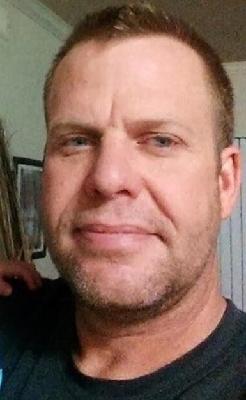
On a quiet Sunday morning in Fallon, Nevada, the peaceful atmosphere of a local church was shattered by an act of sudden violence. It was July 22, 2018, when Charles Bert Miller, a 61-year-old White/Caucasian male, was attending a sacrament meeting at the Church of Jesus Christ of Latter-day Saints. A longtime and respected member of the community, Miller was a volunteer firefighter with a history of community service.
He and his wife had previously owned an auto parts store in town, and he had also worked as a mechanic.
The tranquility of the service was broken when John Kelly O'Connor, a 48-year-old fellow church member, entered the chapel. O'Connor approached Miller and opened fire at point-blank range with a handgun. The sudden eruption of gunfire, estimated to be between four and eight shots, sent the nearly 100 attendees into a panic, with people shouting for others to get down on the ground. In the chaos, Charles Miller was fatally wounded. His brother, who was visiting, was also struck by a bullet in the leg but survived the attack.
After the shooting, O'Connor calmly left the church and walked to his nearby home, which was just a block away. Law enforcement quickly surrounded his residence, and a police negotiator was able to make contact with him. O'Connor eventually surrendered to the authorities without further incident. Inside his home, investigators found a handgun that matched the caliber of the shell casings discovered at the scene of the crime.
John Kelly O'Connor was arrested and faced multiple charges, including first-degree murder, battery with a deadly weapon for the shooting of Miller's brother, and assault with a deadly weapon for allegedly aiming his gun at another church member. While authorities confirmed that O'Connor and Miller were acquainted through the church, a clear motive for the targeted attack remained elusive. The legal proceedings that followed were complicated by questions surrounding O'Connor's mental state. At one point he was deemed incompetent to stand trial and was committed to a psychiatric facility. However, he was later found competent, allowing the legal process to move forward. The community of Fallon was left to grapple with the shocking loss of a beloved member and the unsettling nature of the violence that had unfolded in a place of worship.