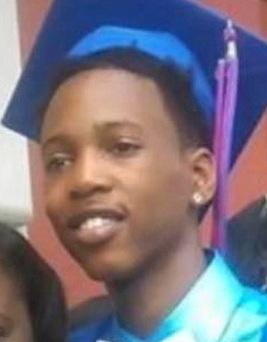
Kamaal Burton, a 19-year-old from Chicago, was tragically killed on September 18, 2014. His death was part of the broader pattern of gun violence that gripped Chicago during that year. Burton was one of many young victims affected by the city's significant struggle with shootings and homicides, which disproportionately impacted African American youth in neighborhoods with limited resources and pervasive socioeconomic challenges.
His death highlighted ongoing issues of violence and instability in specific areas of the city, drawing attention to the need for community interventions and support.
The circumstances of Burton's homicide underscore the violence many young people in Chicago faced at the time. In 2014, the city was experiencing lower overall homicide numbers compared to previous years, but shootings remained a constant threat. Despite efforts by the local government and community groups to curb gun violence, many young lives were lost, including Burton's. This tragic event serves as a poignant reminder of the broader issues plaguing the city, such as the accessibility of firearms, lack of educational and economic opportunities, and the impact of gang conflicts.
Burton's story is a representation of the critical need for long-term solutions addressing the root causes of violence in Chicago. Programs focusing on conflict resolution, youth empowerment, and investment in underfunded neighborhoods have been viewed as potential avenues to combat the cycle of violence that claimed Burton’s life and continues to affect many other young people.