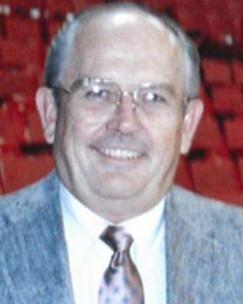
In the winter of 1997, the life of retired Denver Police Detective Michael E. Dowd came to a quiet end, though the origins of his death were anything but. Dowd, a 62-year-old male, passed away on December 6, 1997, succumbing to a cascade of health failures that were the direct result of a violent encounter nearly three decades earlier. His death was the final chapter in a story that began on a November day in 1969, a story of duty, violence, and the long shadow of its aftermath.
On
November 28, 1969, Detective Dowd and his partner, Steve Metros, were on patrol in their unmarked car when they spotted a known felon in a Thunderbird. One of the occupants was identified as James 'Mad Dog' Sherbondy, a 49-year-old escapee from a prison honor camp where he had been serving a sentence for the 1937 murder of a deputy sheriff. The detectives attempted to stop the vehicle, leading to a short chase that ended in an alley. While Metros held the other occupants at gunpoint, Sherbondy fled on foot with Dowd in pursuit.
The chase ended in a hail of bullets near 15th and California streets. Sherbondy grabbed Dowd and opened fire, shooting the detective multiple times in the abdomen, legs, arm, and shoulder. Despite his severe injuries, Dowd managed to return fire, killing Sherbondy at the scene. Dowd was rushed to the hospital with grave wounds, including significant damage to his liver and pancreas. This single event would irrevocably alter the course of his life.
The gunshot wounds inflicted that day began a long and painful decline in Dowd's health. The damage to his pancreas led to insulin-dependent diabetes. Over the years, he endured numerous surgeries, including the removal of his pancreas in 1974. His deteriorating health led to a host of medical issues, including peripheral vascular disease, ischemic heart disease, and eventually, the amputation of both of his legs. Though he returned to the police department in a restricted capacity, managing the Police Athletic League, the physical toll of his injuries was immense. His death in 1997, officially attributed to diabetes, was later re-evaluated by the medical examiner, who concluded that the gunshot wounds from the 1969 encounter were the direct cause of the long-term health complications that ultimately led to his passing. Because the sole suspect in the shooting, James Sherbondy, was killed at the scene, no arrests were made in connection with Detective Dowd's death.