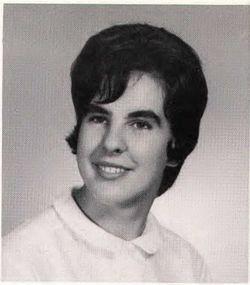
In the quiet winter of 1969, a 23-year-old white female college student named Mary Ann Wysocki embarked on what was meant to be a relaxing weekend getaway to Provincetown, Massachusetts, with her friend, Patricia Walsh, also 23. The two friends from Providence, Rhode Island, checked into a local guesthouse, where they crossed paths with a 24-year-old handyman named Antone "Tony" Costa, who was also staying there.
After a night out, the two women were never seen alive again.
Their disappearance on January 24, 1969, triggered a search that led investigators to a desolate, wooded area in the nearby town of Truro. The discovery of Patricia Walsh's abandoned Volkswagen van near a local lovers' lane intensified the investigation. In early March, the search culminated in a gruesome discovery. In a shallow grave in the woods, police found the dismembered remains of Mary Ann Wysocki and Patricia Walsh. The investigation revealed they had both been shot in the head before their bodies were mutilated. The remains of two other missing young women were also found buried in the same clearing.
The investigation quickly zeroed in on Tony Costa. The clearing where the bodies were found was known to be used by Costa for growing marijuana. He was the last person seen with Wysocki and Walsh. Following his arrest, Costa was charged with the murders of the two women. In May of 1970, he was convicted for the murders of Mary Ann Wysocki and Patricia Walsh and subsequently sentenced to life in prison. Though he was a suspect in the deaths of the other women whose remains were found, he was never convicted for them. Antone Costa's life came to an end on May 12, 1974, when he died by suicide in his prison cell.