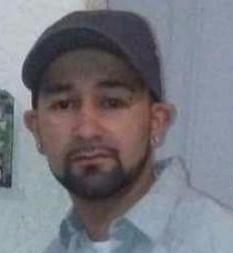
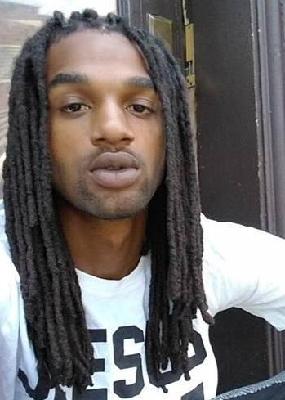
On September 2, 2015, Ira Washington, a 60-year-old male, was shot and killed in Chicago, Illinois. The incident was one of many homicides that year, which contributed to an alarming trend of violence across the city. In 2015, Chicago experienced a surge in gun-related homicides, with much of the violence centered in neighborhoods struggling with poverty, limited economic opportunities, and longstanding gang issues.
Washington's death took place amid a challenging year for Chicago in terms of public safety. Many victims, including Washington, were targeted in residential areas where violence was increasingly becoming normalized. The homicide statistics from the year reflect a troubling persistence of gun violence affecting not only young individuals but also older residents like Washington, who became innocent victims of the city’s pervasive crime environment.
Chicago authorities continued efforts to tackle the issue, implementing community policing initiatives and focusing on reducing the flow of illegal firearms into the city. However, despite these measures, the high number of homicides in 2015 demonstrated that deep-rooted social issues—such as socioeconomic inequality and the influence of organized crime—were fueling the violence. Ira Washington’s tragic death is a stark reminder of the challenges faced by Chicago communities and highlights the urgency for effective, long-term solutions to the cycle of violence affecting the city.