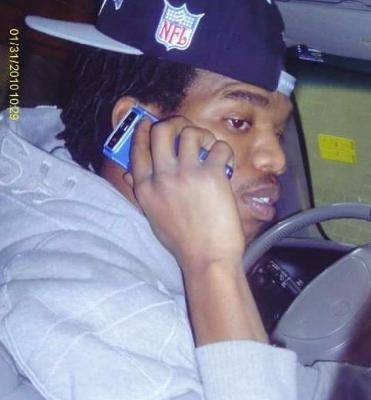
Armonni Nelson, age 17, was fatally shot on September 16, 2015, in Chicago, Illinois. The incident took place in the city's Englewood neighborhood, which has faced significant challenges with violence for years. On the night of the shooting, Nelson was standing near 63rd Street and Hermitage Avenue when an unknown assailant approached and opened fire, resulting in his death. This tragic event underscored the ongoing issues with gun violence in many parts of Chicago, particularly in neighborhoods struggling with systemic inequality and gang-related activities.
At the time of his death, Nelson became one of the many victims of gun violence during 2015, a year that saw an alarming surge in homicides across the city. Chicago recorded 468 murders that year, representing an increase compared to the previous year, and a significant number of these cases involved young men of color who were particularly vulnerable to violence. Nelson’s death was part of this larger trend, highlighting the lack of safety and stability for many youths in affected neighborhoods. His murder left a grieving family and community, prompting renewed calls for intervention and support from local organizations.
Following the incident, crisis responders from Chicago Survivors, including Dawn Valenti, met with Nelson's family to provide support. The involvement of such organizations underscores the importance of community resources in addressing the aftermath of violence and supporting the victims' families. The city has continued to work with community groups and law enforcement to address the root causes of violence, but incidents like Nelson’s reflect the difficulties of reversing these troubling trends amidst persistent socio-economic challenges.
Despite some police efforts to solve homicides in neighborhoods like Englewood, many cases remained unsolved or lacked adequate leads, contributing to a lack of closure for affected families. The ongoing prevalence of similar incidents has only reinforced the urgent need for policy changes, targeted intervention strategies, and greater investment in the community to help prevent more young lives from being lost.