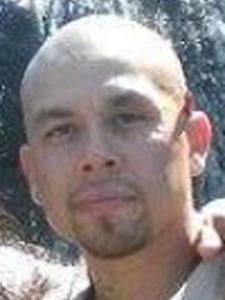
Henry Cruz, a 29-year-old resident of Chicago, was fatally shot on January 16, 2016. The homicide took place in the Albany Park neighborhood, an area that had been experiencing increased levels of gun violence, mirroring a broader surge in homicides across the city of Chicago during that year. Cruz's death was among the 764 murders that occurred in Chicago in 2016, marking one of the most violent years in the city's recent history.
The rise in homicides that year prompted significant attention from local authorities and researchers, including efforts by the University of Chicago Crime Lab to understand the contributing factors to the violence.
The circumstances surrounding Henry Cruz's death point to the pervasive nature of gun violence in Chicago, which predominantly affected young men in neighborhoods struggling with socio-economic issues. The Albany Park neighborhood, where Cruz was killed, was one of many communities facing challenges with gang activity, easy access to firearms, and inadequate community resources—all factors that played into the heightened violence of 2016. Cruz's death was a stark reflection of the broader patterns of urban violence in Chicago, where communities experienced trauma at alarming rates, and families were often left without answers or justice.
The Crime Lab at the University of Chicago highlighted that many of the homicides in 2016, including that of Henry Cruz, shared common characteristics that involved interpersonal conflicts and were often the result of retaliatory violence. The analysis by the Crime Lab and other community groups pointed to the lack of economic opportunities, the presence of gangs, and the absence of effective policing strategies as key reasons behind the rise in violent incidents. Efforts to curb violence in the city in the aftermath of this tragic year included increased collaboration between local officials, community leaders, and research organizations to explore strategies for violence reduction and community resilience.