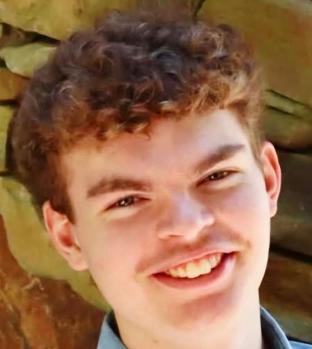
Matthew Knotts, a 42-year-old White/Caucasian man, was living in the Bruceton Mills area of Preston County, West Virginia, when his disappearance in March 2014 turned into a homicide investigation. Although March 7 was initially associated with the case because his mother said that was the last day she had been able to reach him, subsequent investigative and court reporting placed the fatal shooting on March 13, 2014. His wife, Nicole Dawn Knotts, initially told others that Matthew had left the area with another woman. Concern mounted when he remained out of contact and had not been reporting to work, and he was eventually reported missing.
The search ended inside the Knotts home. On March 18, West Virginia State Police discovered Matthew's body concealed in a bathroom. Investigators determined that he had been shot, and his remains had been covered with clothing and other household items.
Later testimony described the bathroom as being adjacent to the master bedroom and indicated that after the shooting, Matthew's body was covered with dirty clothes, the door was shut, and an exhaust fan was left operating, an apparent effort to lessen or disguise the odor of decomposition.
Investigators focused on Nicole Knotts, and she was arrested and held in the Tygart Valley Regional Jail. Authorities initially charged her with first-degree murder and concealment of a deceased human body. Investigators concluded that the shooting followed an argument between the couple. The case therefore moved quickly from a missing-person investigation, in which Nicole had claimed her husband had voluntarily left, to a murder prosecution centered on what happened inside their own home.
For approximately three years, Nicole remained incarcerated while the criminal case moved through the Preston County court system. In March 2017, she entered a plea to voluntary manslaughter that local reports described as a Kennedy or Alford plea. Under that type of plea, she did not make a traditional admission that she had intentionally killed Matthew, but acknowledged that prosecutors possessed sufficient evidence to obtain a conviction. As part of the negotiated resolution, the original murder charge was reduced to voluntary manslaughter and the charge accusing her of concealing Matthew's body was dismissed.
The evidence described at sentencing gave the court a clearer picture of how prosecutors believed Matthew was killed. Special Prosecutor Jacob Hodges told the court that the autopsy indicated Matthew had been shot from above, suggesting the shooter was positioned over him. Hodges argued that the circumstances demonstrated an intentional act and emphasized not only the shooting itself but what happened afterward—the body left in the bathroom, covered with clothing and concealed behind a closed door. Prosecutors asked the judge to impose the maximum sentence permitted for voluntary manslaughter.
Nicole's defense attorneys sought the minimum sentence and presented a different view of the relationship leading up to the killing. They argued that she had been living under difficult circumstances and alleged that there had been emotional and physical abuse in the marriage. Nicole also addressed the court, expressing remorse for what had happened and acknowledging that she had lied and attempted to cover up Matthew's death, while saying she did not fully understand why she had taken those actions. The court nevertheless found the circumstances serious enough to warrant the harshest sentence available under the manslaughter conviction.
On May 25, 2017, Preston County Circuit Judge Lawrance Miller Jr. sentenced Nicole Knotts to the maximum term of 15 years in the state penitentiary. She was given credit for the time she had already spent incarcerated since March 2014 and was remanded back into custody following the hearing. Matthew's mother, Linda Smith, spoke emotionally about the effect the killing had on the family, particularly Matthew's two daughters. She had taken custody of the children and told the court that the older child was receiving psychological treatment after witnessing what had happened. The sentencing brought the criminal prosecution to a close with Nicole Knotts convicted of voluntary manslaughter rather than the first-degree murder charge she originally faced.