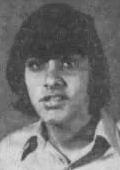
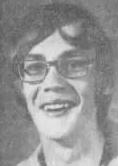
On a crisp autumn evening, November 17, 1973, 18-year-old Caucasian male Stewart Baade, from Larchwood, Iowa, embarked on a camping trip with his younger brother and friends at Gitchie Manitou State Preserve, a place known for its serene landscape just across the border in Iowa. This outing, intended to be a night of youthful camaraderie around a campfire, tragically spiraled into a scene of unimaginable horror.
The group of five teenagers found their peaceful gathering shattered by the arrival of three brothers, Allen, David, and James Fryer, who were in the park with the intent to poach deer.
The Fryer brothers, believing the teenagers were in possession of marijuana, concocted a plan to impersonate law enforcement officers to rob them. Armed with shotguns, they approached the campsite and opened fire. In the initial volley of shots, Stewart Baade was wounded. The assailants then rounded up the terrified teenagers. What followed was a brutal sequence of events where Stewart, his 14-year-old brother Dana, and their two friends, Roger Essem and Michael Hadrath, were systematically shot and killed. A 13-year-old female with the group was taken from the scene and assaulted before being released.
The bodies of Stewart Baade, his brother, and Michael Hadrath were discovered the following day by a couple out for a drive. The lone survivor's harrowing testimony proved to be the cornerstone of the investigation, providing authorities with detailed descriptions of the attackers. This crucial information led to the swift identification and arrest of the Fryer brothers. Within weeks of the murders, the three brothers were apprehended and charged with the killings.
The subsequent legal proceedings brought the full, horrifying details of that night to light. David Fryer pleaded guilty to the murder of Stewart Baade. All three brothers were ultimately convicted for their roles in the gruesome murders. They received life sentences, ensuring that the men responsible for the senseless and brutal deaths of Stewart Baade and his friends would be held accountable for their actions. The case left a lasting scar on the community, a tragic story of a night of youthful innocence that ended in a brutal and inexplicable act of violence.