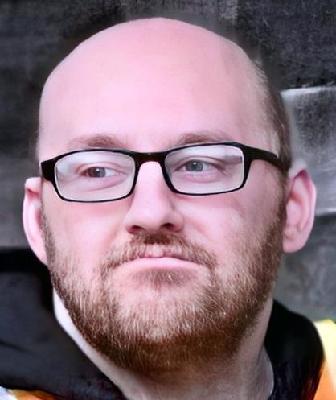
Erik L. Williams, aged 27, was shot and killed on August 8, 2016, in Chicago, during a period marked by a significant increase in gun violence throughout the city. His death contributed to one of Chicago's deadliest years in two decades, with August alone seeing a spike in homicides. This surge resulted in more than 90 homicides during that month, making it one of the most violent periods in the city since the late 1990s. Chicago's homicide rate in 2016 far exceeded that of other major cities in the United States, drawing widespread attention to the crisis affecting the community.
The year 2016 in Chicago was characterized by alarming levels of gun violence, with nearly 500 homicides reported by the end of summer, and Erik's death was part of this broader pattern. The violence was not isolated to a single community but rather spread across several neighborhoods, exacerbated by socio-economic challenges such as unemployment and lack of opportunities. Many of these homicides, including the one that took Williams' life, involved firearms, underscoring the pervasive issue of illegal guns in the city. According to statistics, about 60% of the guns used in Chicago shootings were purchased out of state, complicating local gun control efforts.
The tragedy of Erik Williams’ death highlights the human cost behind these statistics. The violence left many families grieving and communities struggling with safety concerns. Chicago's police department and local leaders faced immense pressure to address the surge in homicides, but the complex interplay of systemic issues, including distrust of law enforcement and economic inequalities, continued to make effective intervention difficult. The death of Williams, like that of many others during this year, served as a reminder of the urgent need for comprehensive strategies to reduce violence and improve community safety in Chicago.