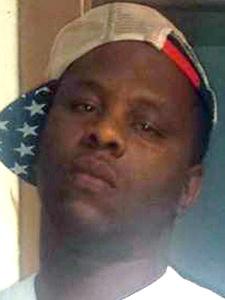
On August 30, 2016, Jamarh Carter, aged 22, was fatally shot in Chicago, Illinois. His death occurred during one of the deadliest months in recent Chicago history. August 2016 saw a significant surge in gun violence, making it the most violent month since 1997. That month alone, over 400 people were shot, and 76 were killed in the city. The spike in violence was attributed to increasing gang activity, which continued to plague many neighborhoods, particularly on Chicago’s south and west sides.
Carter's death was part of a broader trend of escalating violence that year, during which Chicago recorded more homicides than both New York City and Los Angeles combined. The high rates of violence particularly affected vulnerable communities, including the African American population in neighborhoods like Greater Grand Crossing and Parkway Gardens, where residents experienced dramatically higher rates of shootings compared to other parts of the city. The disparity in violence between the most affected neighborhoods and wealthier, safer parts of Chicago highlighted the ongoing inequities that continued to shape the landscape of gun violence in the city during 2016.
The scale of gun violence in Chicago that year garnered widespread national attention and became a point of discussion in the presidential campaign. As the homicide rate continued to climb, the city's black communities were disproportionately affected, with residents in certain neighborhoods facing up to five times the average likelihood of being shot compared to other Chicagoans. The tragic death of Jamarh Carter was one among many that added to the alarming statistics, highlighting the urgent need for action and reform to address the root causes of violence in the city.