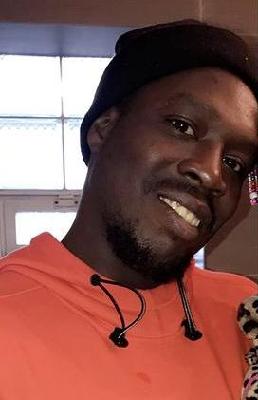
William E. Clark, a 32-year-old man from Chicago, was the victim of a homicide that occurred on August 3, 2013. The incident was part of a broader pattern of violence affecting Chicago during that period, with the city struggling to address a high homicide rate that peaked in the early 2010s. Clark's death, like many other cases, contributed to Chicago's ongoing struggles with gun violence, which plagued various neighborhoods across the city.
The homicide of William E. Clark occurred during a time when Chicago was gaining national attention for the rising number of violent crimes. In the year 2013, the city's efforts to combat crime included initiatives like increased police presence and community policing strategies, though these efforts were not always successful in curbing the rates of violent deaths. Clark’s case serves as an example of the challenges faced by law enforcement as they contended with escalating tensions, particularly in communities experiencing economic disadvantage and gang activity.
Clark's death highlights the complexities of gun violence in Chicago, which were influenced by a combination of social and economic factors, including the proliferation of illegal firearms, gang disputes, and systemic issues of poverty. His tragic demise is a reflection of the broader issues faced by the city during that period, emphasizing the importance of continued community-led efforts to foster safety and reduce violence across affected neighborhoods.