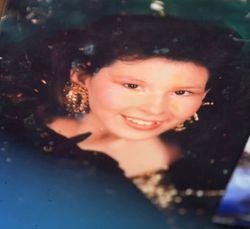
On a tragic day in March of 1998, the life of 12-year-old Samantha Marcia Dianne Rhodes, a White female, was cut short in a brutal act of violence in Jefferson, Arkansas. On March 25th, Samantha was at the home of 20-year-old Misty Dawn Erwin when Erwin's boyfriend, Clay King Smith, carried out a mass shooting. Samantha, along with Erwin, 24-year-old Shelly Marie Erwin Sorg, and Shelly's two young children, 5-year-old Sean Michael and 3-year-old Taylor Nicole, all perished in the attack. The victims were discovered in the mobile home where Erwin and Smith resided.
The events leading up to the horrific murders began to unfold just two days prior when Misty Erwin had reported to the Jefferson County Sheriff's Office that she had been battered by Smith and intended to move out. However, when deputies arrived, she had a change of heart and decided to stay. This decision proved to be fatal. Smith, armed with a. 22 caliber rifle, shot all five individuals. Samantha was also reportedly beaten in the face. The bodies of the victims were found after concerned relatives filed missing persons reports.
Following the discovery, a manhunt for Clay King Smith ensued. He was located the next day at a hunting club in neighboring Lincoln County. A tense, hour-long standoff with police followed, during which Smith, armed with the murder weapon, made incriminating statements, at one point yelling to officers, "I sent three of them to Heaven; I don't know where the other two went." The standoff concluded when a state trooper shot Smith in the arm, leading to his capture.
Clay King Smith was charged with five counts of capital murder. During his trial, which commenced in March 1999, he claimed that the murders were induced by drugs. He was found guilty on all five counts and sentenced to death. In a surprising turn, Smith chose to waive his right to appeal his sentence. A judge determined in November 1999 that Smith was competent to make this decision. He expressed a desire to spare the victims' families the prolonged pain of the appeals process. In letters to the families, he asked for forgiveness and stated he would only appeal if they wished him to. None requested that he do so. On May 8, 2001, Clay King Smith was executed by lethal injection at the Cummins Correctional Unit in Arkansas. In his final statement, he apologized to the families of his victims.