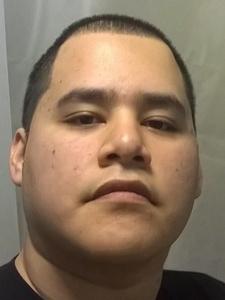
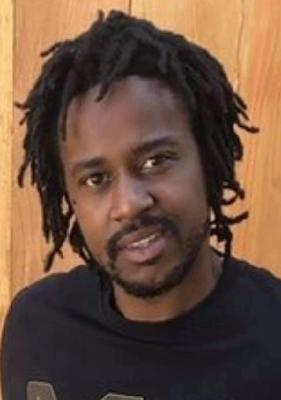
On December 1, 2016, Marqual D. Bailey, aged 19, was fatally shot in Chicago, Illinois. The incident was one of many homicides that took place during a particularly violent year for the city. In 2016, Chicago experienced a significant spike in homicides, with the total number of victims reaching over 760. This increase in violent crime was driven by various factors, including gang-related conflicts, availability of firearms, and economic challenges affecting many neighborhoods.
Bailey's death took place during a year when Chicago saw one of its highest homicide rates in recent history, with violence concentrated in specific neighborhoods where gang activity was prevalent. The homicide of Bailey, like many others in the city during that year, was emblematic of the broader crisis facing Chicago, which saw a 58% increase in homicides from the previous year. These violent trends were fueled by ongoing disputes between rival groups and an overall increase in street-level violence, which overwhelmed law enforcement and community efforts aimed at reducing crime.
Despite efforts from the Chicago Police Department and community organizations, the rate of violence continued to rise, leaving many young people like Bailey caught in the crossfire. Bailey's death underscored the challenges facing the city's neighborhoods, where socioeconomic disparities and limited resources contributed to cycles of violence that were difficult to break. His story represents the ongoing struggle for safety in many parts of Chicago, a struggle that persists as communities work to address the root causes of violence and promote peace.