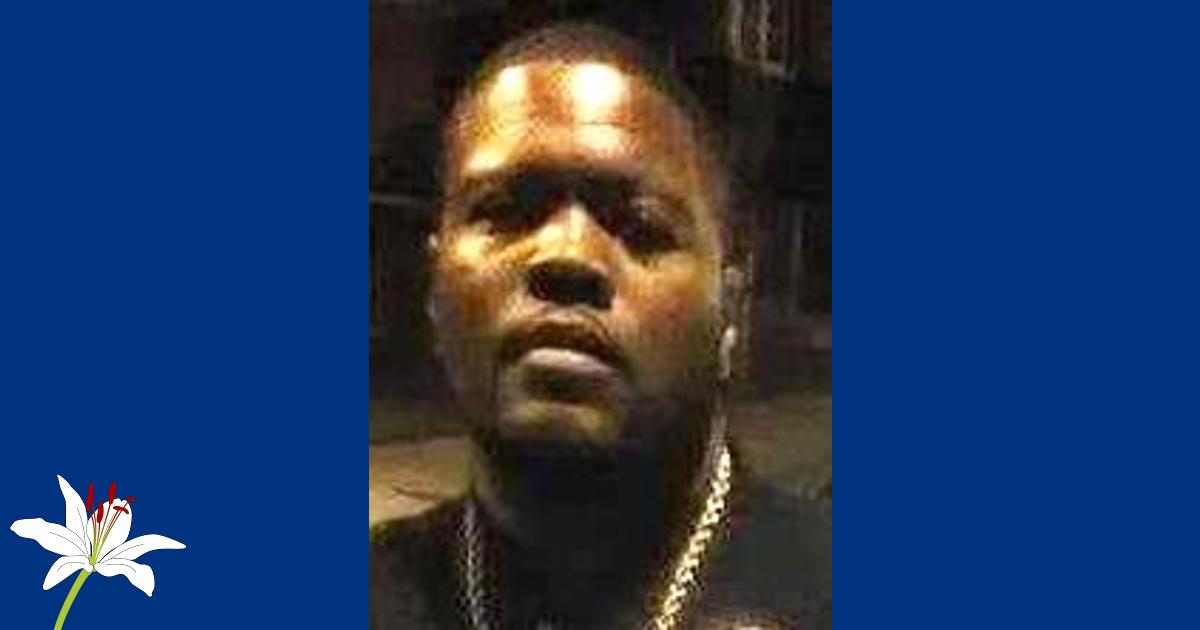
On June 23, 2017, Ira Johnson, a 28-year-old man, was fatally shot in Chicago, Illinois. His death occurred during a year in which Chicago was grappling with a significant level of violent crime, particularly gun-related homicides. The city experienced a persistent wave of violence in 2017, which saw more than 600 homicides, with the vast majority of these deaths being caused by gunfire. The gun violence in Chicago in 2017 remained a focal point of concern for both the community and law enforcement, reflecting deeper issues within some of the city’s neighborhoods, such as gang activity and the easy accessibility of firearms.
Johnson’s death was part of a broader context of violence that impacted the city’s communities, with the majority of victims being young men from disadvantaged backgrounds. In Chicago that year, men accounted for the overwhelming majority of homicide victims, and the gun violence disproportionately affected Black communities. The year 2017 saw numerous incidents where individuals like Johnson lost their lives to gun violence, underscoring the urgent need for more effective anti-violence initiatives and reforms to improve public safety.
Efforts to address the high rate of homicides included increased police presence in certain areas and community engagement programs. Despite these measures, the city’s homicide clearance rate remained low, with only a fraction of cases leading to a suspect being charged. The struggle to effectively respond to and prevent such violence posed significant challenges for Chicago authorities, who faced the ongoing task of attempting to bring peace to neighborhoods severely affected by crime. Ira Johnson’s tragic death was one of many that year that highlighted the critical issues plaguing the city’s safety and the need for comprehensive solutions to address the cycle of violence.