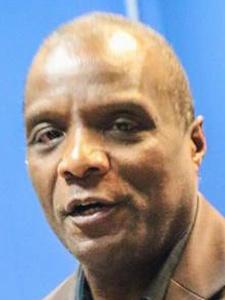
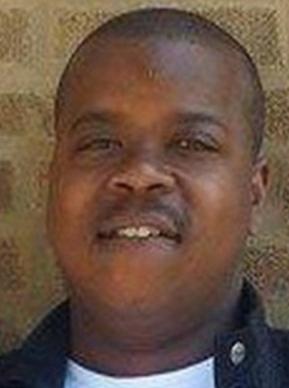
Michael Anderson, a 59-year-old from Chicago, Illinois, was fatally shot on November 16, 2016, during what became one of the bloodiest years for the city in nearly two decades. The year 2016 saw Chicago's homicide rate spike dramatically, reaching over 750 deaths, and Anderson's murder was part of this larger wave of violence. Various factors were suggested to have contributed to the spike, including changes in police practices, notably a decline in stop-and-frisk actions following an agreement
between the ACLU and the Chicago Police Department.
This significant rise in homicides was attributed to multiple possible causes, such as a decrease in law enforcement effectiveness, shifts in gang dynamics, and heightened tensions following the release of the Laquan McDonald shooting video. The resulting increase in violence heavily impacted some of Chicago's most impoverished neighborhoods, including the area where Michael Anderson was killed. The city's police faced challenges in maintaining safety, while public confidence in law enforcement diminished.
Amid this backdrop of rising violence, Michael Anderson's death highlighted the escalating crisis, with many victims coming from communities already struggling with systemic disadvantages. This tragic spike led to calls for changes in law enforcement practices, social investment, and more effective community policing to prevent further escalation of violence in Chicago.